Mold Treatment

Mold Treatment: Complete Guide to Mold Treatment for Walls, Ceilings & Homes

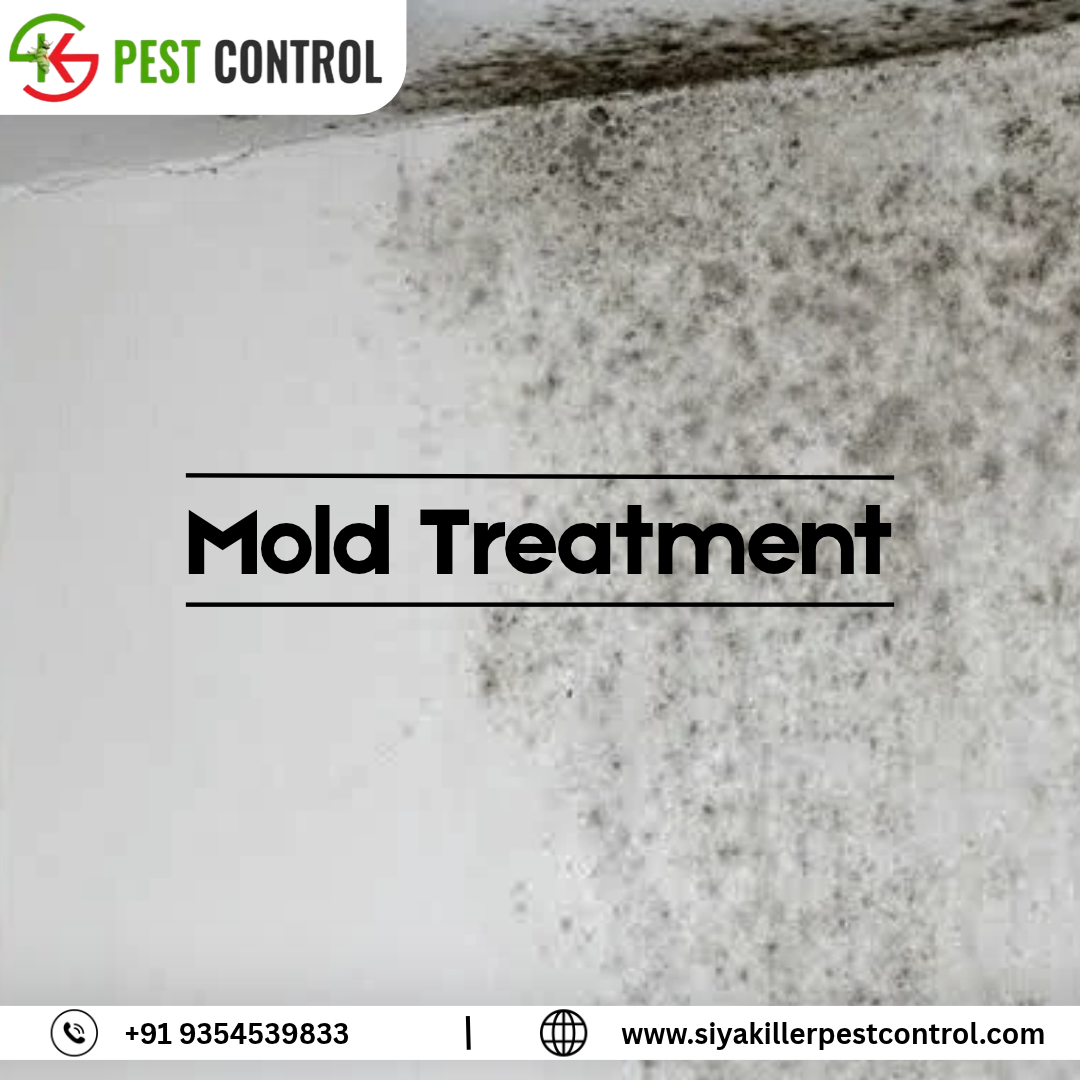
Mold treatment is the process of treating and controlling mold growth in a home, office or commercial property while addressing the moisture conditions that allow mold to develop.

mold treatment

Mold can appear on walls, ceilings, wooden furniture, wardrobes, bathroom surfaces and other areas where moisture and poor ventilation are present. You may notice black spots, green patches, white fungal growth, peeling paint or a persistent musty smell.

Continue reading “Mold Treatment”

Termite Pipe Installation Cost in Delhi NCR (2026)

Termite Pipe Installation Cost in Delhi NCR (2026): Rates for Homeowners, Dealers, Architects & Builders

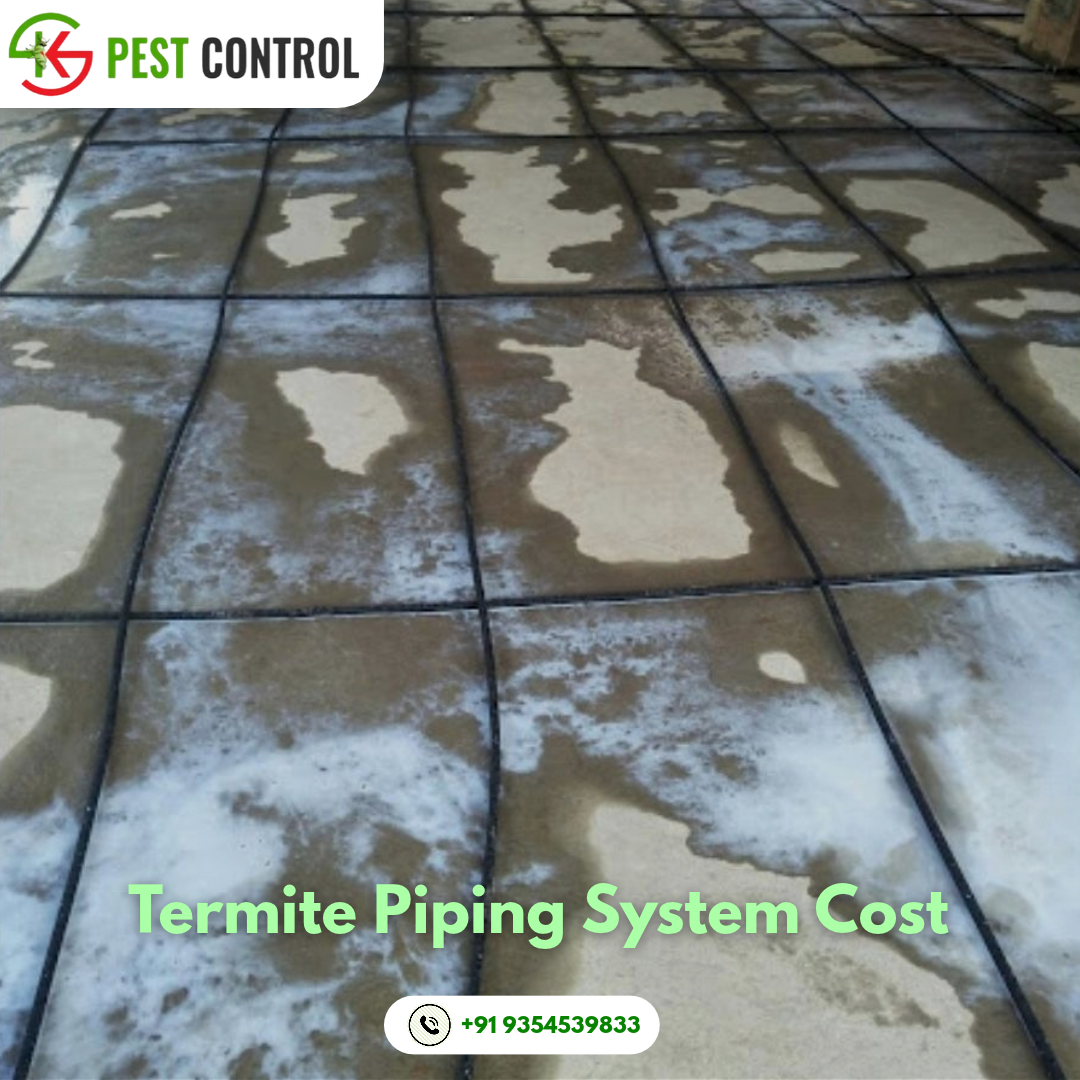
If you are building a house in Delhi NCR, the termite pipe system is one of the few decisions you cannot fix later. Get complete information about the termite pipe installation cost in this blog post. The pipes go under the floor before the flooring, and once the slab is poured, the chance is gone.

termite pipe installation costSo the right question is not “what is the cheapest rate?” It is “what will this cost me if it is done wrong?” This guide covers real rates for each type of buyer, why prices differ across Delhi, Noida, Gurgaon, Faridabad and Ghaziabad, and why the cheapest quote is usually the most expensive one in the end. Continue reading “Termite Pipe Installation Cost in Delhi NCR (2026)”

Termite Treatment in Sector 62 Noida

Termite Treatment in Sector 62 Noida: Signs, Methods, Cost and Warranty

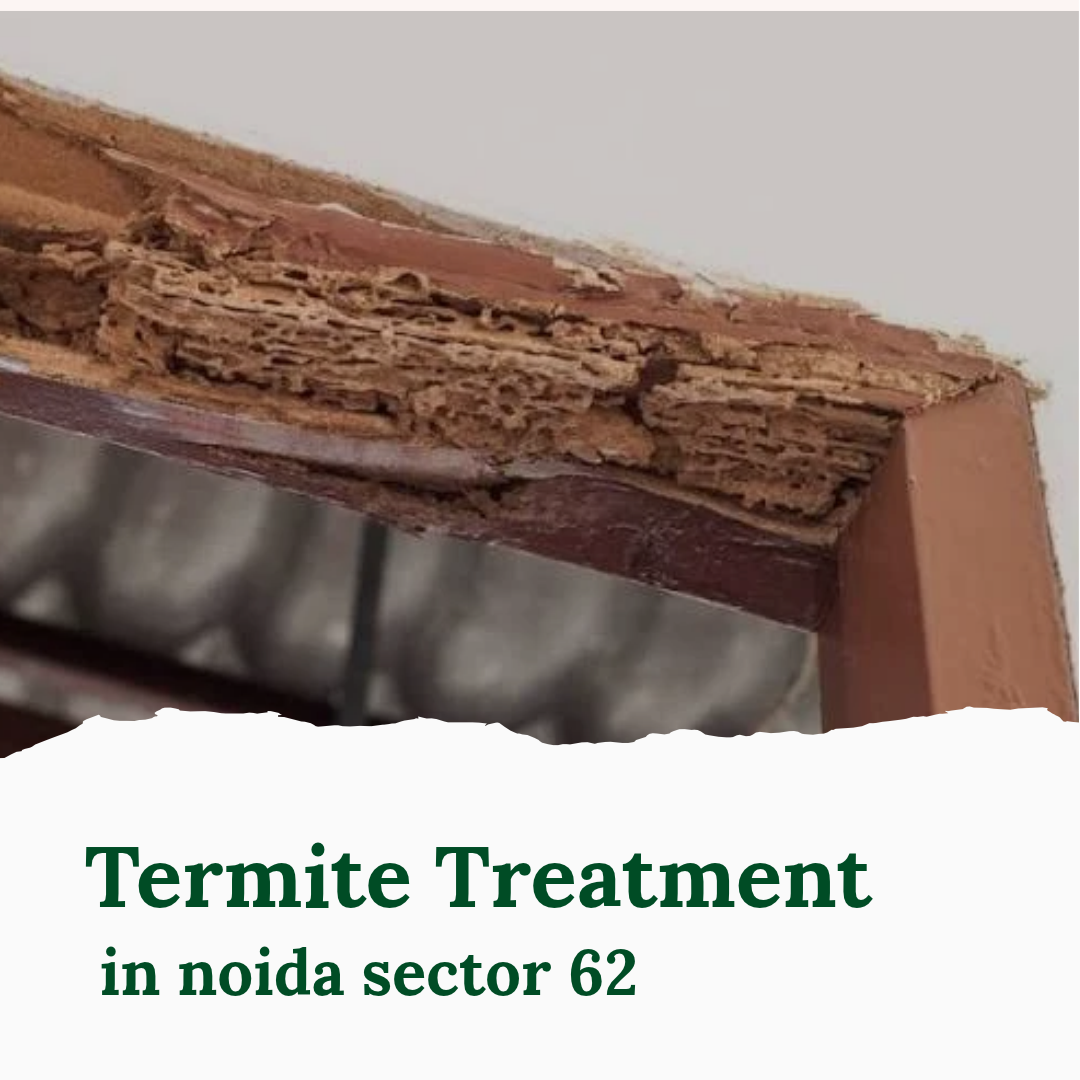
Termite treatment in Sector 62, Noida usually means drill-fill-seal for buildings that are already built, and soil or pipe treatment for new construction. Good providers inspect first, name the chemical, and give a written warranty.

termite treatment in sector 62 noida

Siya Killer Pest Control provides termite treatment, general pest control and invisible grill installation in Noida and Delhi NCR, including Sector 62.

Signs of termites in Sector 62 homes and offices

Sector 62 has a mix of [verify: residential flats, independent houses, offices, clinics and institutes]. All of them have wood, paper and cabinetry for termites to eat. Watch for:

  • Mud tubes on walls, skirting or door frames
  • Hollow-sounding wood in doors, wardrobes and frames
  • Discarded wings near windows after rain
  • Powdery frass under furniture
  • Bubbling paint or damp patches near the floor
  • Damaged files, books or cardboard in offices and storerooms

Why termites show up in Sector 62

  • Nearby construction. Digging disturbs soil colonies, and termites forage towards neighbouring buildings.
  • Moisture. Leaking bathrooms, AC drain lines and seepage help colonies survive.
  • Wood and paper. Modular kitchens, wardrobes, false ceilings and office storage give them food.
  • Shared structures. In multi-unit buildings, pipes and shafts let termites move between flats or floors.

Termite treatment methods

Method Used when How it works
Drill-fill-seal Building already complete Small holes are drilled along the skirting, termiticide is injected, then the holes are sealed
Soil treatment Building under construction Soil under and around the foundation is treated before flooring. Indian Standard IS 6313 covers anti-termite measures
Pipe-based system New construction Pipes at foundation level let the barrier be topped up later
Furniture and wood treatment Infested wooden items Termiticide applied to wood, usually alongside wall treatment
Spot treatment One small affected item Treats that item only, not the building

If you are buying, renovating or fitting out a space, ask for an inspection report before you spend on wood interiors.

Our process

  1. Free inspection of walls, wood, bathrooms, balconies and exterior
  2. Written report of infested and at-risk areas
  3. Quote naming method, area, chemical and warranty
  4. Treatment by trained technicians
  5. Follow-up audit after [2 weeks/months]
  6. Written warranty certificate

Cost of termite treatment in Sector 62 Noida

The price depends on built-up area, treatment type, severity, property type (flat, house or office), furniture volume and warranty length. Nobody can quote honestly without seeing the property. Our rates: [e.g. post-construction treatment starts from ₹5 per sq ft]. Be careful of quotes given over the phone with no inspection, no named chemical and no written warranty.

Why Siya Killer Pest Control

pest control in noida

What you need What we do
Honest diagnosis Free inspection and written report before any quote
Clear pricing Quote names method, area and chemical, with no hidden add-ons
Safe treatment Approved termiticides, with re-entry guidance for children and pets
Real warranty Written warranty with follow-up visits: [terms]
Homes and offices Treatment plans for flats, houses and commercial spaces
Quick response Noida-based team, reachable by call or WhatsApp on 9354539833
Wood and balcony protection Termite control and invisible grill installation under one roof

Five questions to ask any termite company

  1. Do you inspect before quoting?
  2. Which chemical do you use, and can I see the label?
  3. Is the warranty written, and what does it cover?
  4. What happens if termites return during the warranty?
  5. How many follow-up visits are included?

Preventing termites after treatment

Fix leaks and AC drain lines quickly. Keep wood and cardboard off damp floors. Seal cracks near skirting and pipe openings. Don’t let garden soil touch the building base. Book a yearly inspection.

Frequently asked questions

1. What is the best termite treatment in Sector 62, Noida?
For a completed home or office, drill-fill-seal of walls plus treatment of infested furniture is the standard. For new construction, a soil or pipe-based barrier is better. A proper inspection decides which one you need.

2. How much does termite treatment cost in Sector 62?
It depends on the area, treatment type and severity. At Siya Killer Pest Control, [2,200~15,000]. We give an exact quote after a free inspection, because rates depends on different factors.

3. How long does the treatment take?
A typical flat takes [2~3 hours]. Larger homes, offices or heavy infestations can take a day or more.

4. Is termite treatment safe for children and pets?
When done by trained technicians with approved chemicals, yes. Keep treated rooms ventilated and follow our re-entry advice: wash the bedsheets after treatment and we advice you to just clean furniture or other things with a cloth.

5. How long does the warranty last?
Ours covers [2 years]. Always get it in writing, including what is covered and how many follow-up visits are included.

6. Can termites come back after treatment?
They can if moisture problems remain or the barrier is broken, for example by new drilling. That is why a warranty and follow-up audit matter.

7. Do you treat offices and shops in Sector 62?
Yes. Commercial jobs are planned around working hours to limit disruption.

8. Can I remove termites myself?
Neem oil, boric acid and sunlight may help with one small piece of furniture, but they can’t reach a colony in the soil or inside walls.

9. Do I need termite treatment in a new flat?
An inspection is wise. Builders don’t always treat the soil properly, and termites can enter from adjoining structures. Ask for a written report before finishing interiors.

Book a free termite inspection in Sector 62

Call or WhatsApp Siya Killer Pest Control at 9354539833 for a free inspection, written report and quote.
check our blog on invisible grill

Termite Treatment in Noida

termite control in noida

Termite Treatment in Noida: Signs, Methods, Cost & Prevention Guide

termite control in noida

Termites, commonly called deemak, can damage wooden furniture, doors, flooring, cupboards and other parts of a property without being noticed for a long time. By the time visible damage appears, an established termite infestation may already have spread through concealed areas.

If you are looking for termite treatment in Noida, professional inspection and treatment can help identify the source of the infestation and determine the appropriate treatment method for your property.

This guide explains termite signs, how termites enter properties, treatment methods, treatment costs, prevention and what to look for when choosing a termite control service in Noida. Continue reading “Termite Treatment in Noida”

Pest Control Delhi

Pest Control Delhi: Complete Guide to Costs, Treatments & Choosing the Right Service (2026)

finding a best pest control in delhi? here you will get complete info before booking any pest control company in delhi
Delhi’s climate does pests a favour. Humid monsoons, dense housing, constant construction dust, and year-round food waste give cockroaches, termites, mosquitoes, rodents, and bed bugs everything they need to thrive — in South Delhi bungalows and Dwarka apartments alike. If you’re searching for pest control in Delhi, you’re probably already past the “maybe it’ll go away” stage. Here’s what you actually need to know before you book someone.

pest control delhi

Continue reading “Pest Control Delhi”

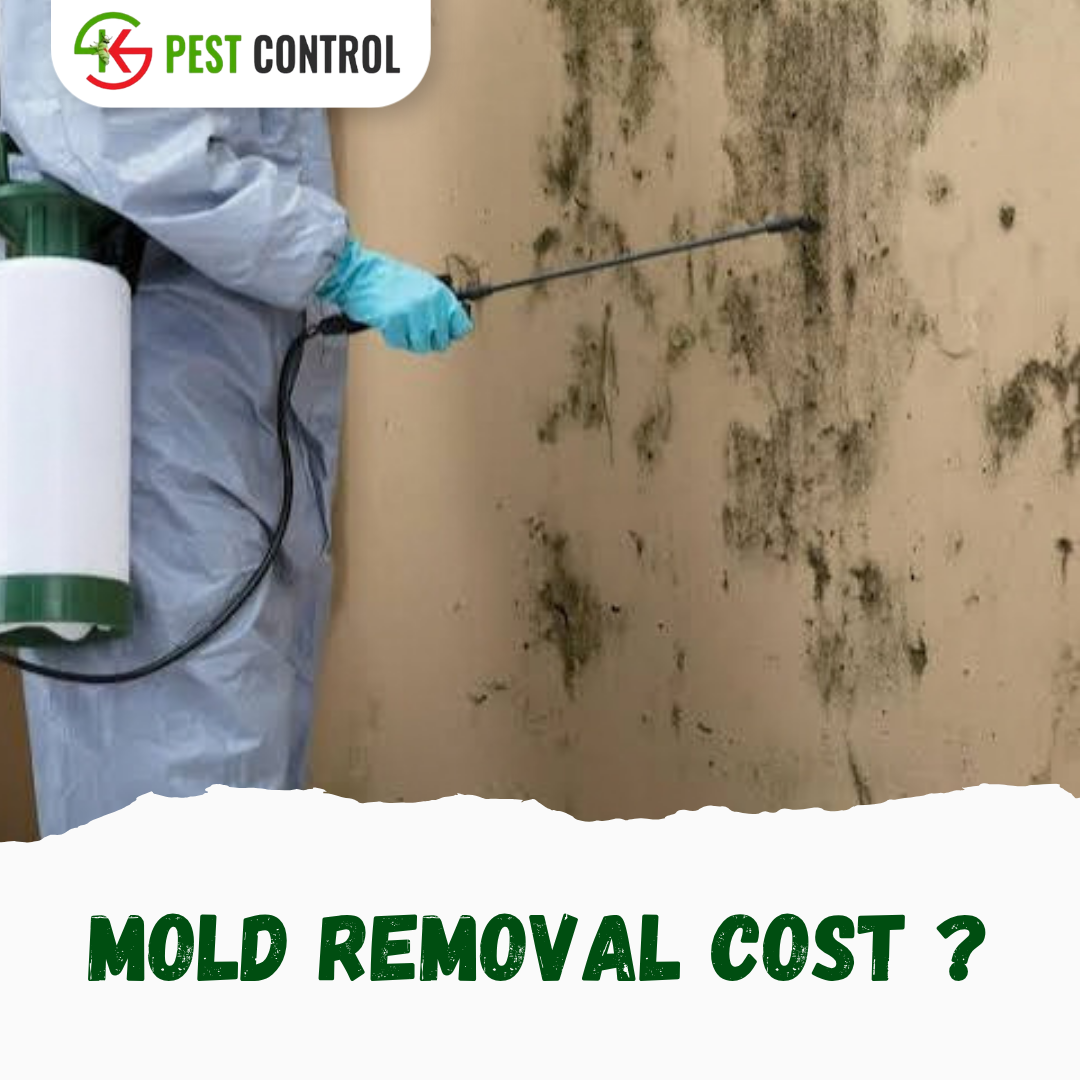
Mold Removal Cost in Delhi NCR (2026 Guide): What You’ll Actually Pay, and Why

Mold Removal Cost in Delhi NCR (2026 Guide): What You’ll Actually Pay, and Why

Mold on your bathroom ceiling or that damp patch spreading behind the bed isn’t just ugly — it’s a sign of trapped moisture that needs to be addressed properly. If you’re dealing with an active mold problem, our professional mold removal service in Delhi NCR includes assessment and treatment based on the condition of the affected area.

This guide breaks down exactly what decides your mold treatment cost or mold removal cost Delhi or mold remediation cost in Delhi Gurgaon, Noida, Faridabad and Ghaziabad, what a fair price actually looks like, and a room-by-room cost table you can use to sanity-check any quote you receive — including ours.

mold removal cost

Continue reading “Mold Removal Cost in Delhi NCR (2026 Guide): What You’ll Actually Pay, and Why”

Best Invisible Grill in Defence Colony, Andrews Ganj

Upgrading Your Home with an Invisible Grill in Defence Colony, Delhi ?

Invisible Grill in Defence Colony, affectionately known as “Def Col” by locals, represents the pinnacle of South Delhi’s upscale residential lifestyle. With its lush green parks, expansive tree-lined avenues, and stunning modern builder floors, residents here invest heavily in interior and exterior aesthetics. However, modern living in multi-story apartments brings an inevitable challenge: ensuring absolute safety for children and pets without compromising the beautiful, unobstructed views of the neighborhood.

This is where the invisible grill in defence colony steps in as a revolutionary architectural solution. If you are searching for the perfect balance of safety and elegance, installing an invisible grill in Defence Colony is the ultimate upgrade for your property.
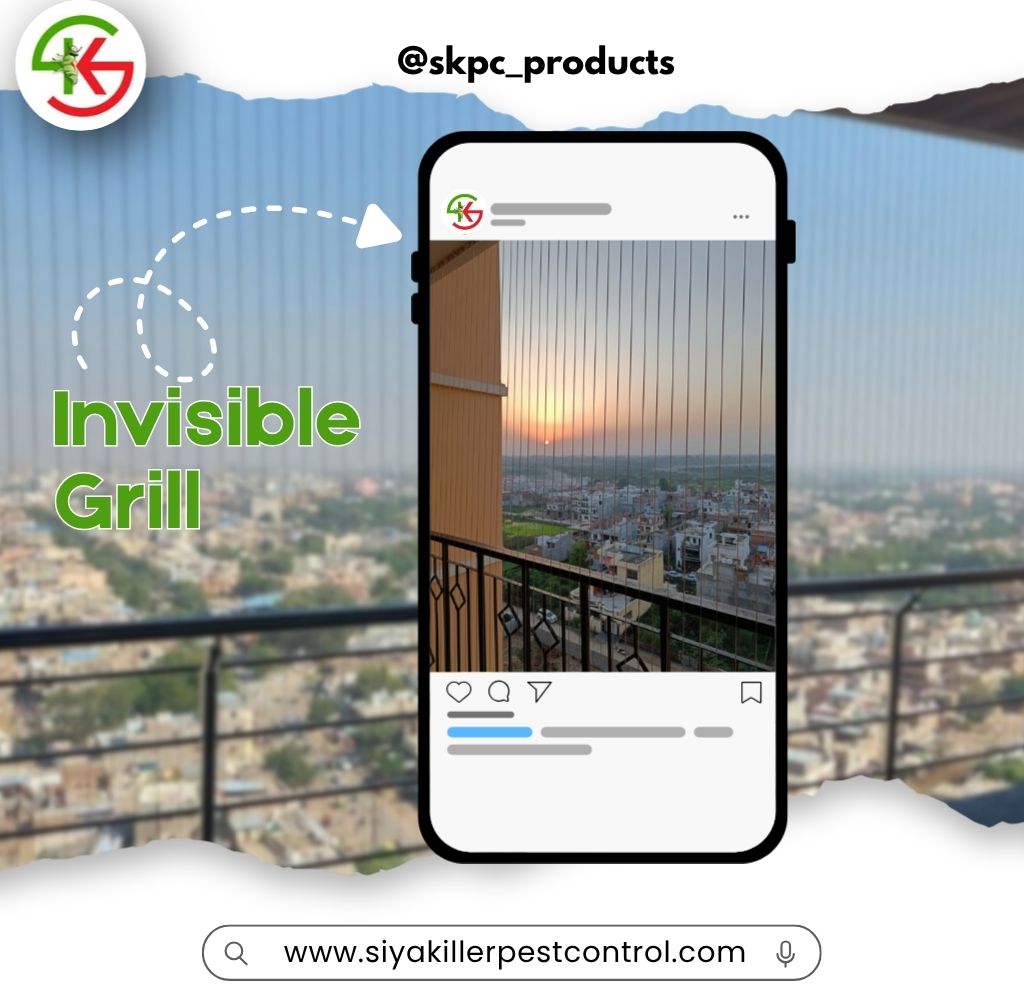
invisible grill in dwarka

In this comprehensive guide, we will dive deep into why invisible grills are taking over South Delhi, the specific benefits for Defence Colony residents, what our market research reveals about homeowner needs, and how Kirkko—a premium brand by Siya Killer Pest Control Pvt. Ltd.—delivers unmatched quality right from our nearby offices in Shahpur Jat and Hauz Khas.


What is an Invisible Grill?

invisible grill in defence colony

Before we explore the local demand, it is essential to understand the technology behind this innovation. An invisible grill is an advanced safety system composed of high-tensile stainless steel cables, typically coated with a protective nylon or nano-fluorocarbon layer. These cables are installed vertically or horizontally across balconies, windows, staircases, and open terraces.

When viewed from a distance of a few meters, these 2mm to 3mm thin cables virtually disappear against the backdrop of the sky or surrounding greenery, giving them the name “invisible grills.” Despite their delicate appearance, they boast incredible tensile strength, capable of withstanding hundreds of kilograms of impact pressure.

Why Invisible Grill? The Core Benefits

Invisible grill in delhi
Why are traditional bulky iron or mild steel grills becoming a thing of the past? The shift toward invisible grills is driven by a combination of aesthetic, functional, and safety-related benefits. There are many incidents where people got badly injured by falling down from high raised building ,some of the cases are :

  • Delhi (February 2022): A tragic incident where a man and his 7-year-old daughter died after falling from a third-floor balcony with low railings. Read the report on The Print.

  • Mumbai (July 2026): One person died when a portion of a third-floor balcony collapsed during heavy rainfall in South Mumbai. Read the report on India Today.

  • Delhi (March 2022): Four people were injured after a balcony collapsed in the Anand Parbat area. Read the report on ANI News.

    that’s why invisible grill in defence colony is become necessary for high raised building for their safety and protection some of the other benefits are :

invisible grill benefit

1. Unobstructed, Panoramic Views

Traditional iron grilles create a “prison-like” feeling, blocking natural light and restricting your view of the outside world. Invisible grills allow 100% natural ventilation and light to flow into your living spaces. Whether you are looking out at the Defence Colony club, the local parks, or the bustling market, your view remains crystal clear.

2. Uncompromised Safety for Children and Pets

Safety is the primary driver for balcony grill installations. Toddlers and curious pets (cats and dogs) are naturally drawn to open balconies. Invisible grills are typically installed with a narrow 2-inch to 3-inch gap between the cables. This precise spacing ensures that a child cannot squeeze their head through, and pets cannot slip out, preventing tragic falls from high-rise floors.

3. High Tensile Strength and Durability

Do not let their sleek look fool you. Premium invisible grills made from marine-grade SS 316 stainless steel can bear extreme tension (often over 400 kg of impact force). They cannot be easily snapped, pushed apart, or broken by human force.

4. Zero Maintenance and Anti-Rust Properties

Delhi’s weather is notoriously harsh—baking heat in the summer, heavy monsoons, and foggy winters. Traditional grills require regular sanding, priming, and painting to fight rust. Invisible grills, especially those utilizing SS 316 grade steel with nylon coating, are entirely rust-proof, anti-corrosive, and require zero painting. A simple wipe with a damp cloth keeps them looking brand new.


Why is it Specifically Needed in Defence Colony?

Defence Colony is unique. Its architectural landscape, demographic profile, and environmental factors make invisible grill in defence colony not just a luxury, but an absolute necessity.

The Shift to Modern Builder Floors

Over the last decade, Defence Colony has seen a massive transformation from single-family bungalows to stilt-plus-four luxury builder floors. With living spaces moving higher off the ground, balcony safety has become a paramount concern. These new floors feature expansive glass facades, French windows, and large wrap-around balconies. Installing thick, black iron grills on a modern glass facade instantly ruins the architect’s vision and the property’s curb appeal. Invisible grills maintain the sleek, modern aesthetic of these multi-crore homes.

The “Def Col” Greenery and The Monkey Menace

South Delhi is famous for its mature trees, and Defence Colony is no exception. However, this beautiful canopy brings frequent visits from local monkey troops. Monkeys easily climb traditional grills, using the horizontal bars as ladders to access balconies, steal food, or damage potted plants. Invisible grills, installed vertically with high tension, offer no foothold for monkeys, acting as a highly effective, humane barrier against primate intrusions.

Pigeons and Avian Intruders

Alongside monkeys, pigeons are a constant nuisance in Delhi, bringing dirt, noise, and health hazards. While bird netting is a standard solution, invisible grills with a 2-inch gap serve a dual purpose: they provide structural safety for humans while simultaneously keeping large birds like pigeons out of your pristine balcony spaces.

Upscale Pet Ownership

Defence Colony has a high concentration of pet owners. Expats and local residents alike frequently own high-pedigree dogs and cats. Feline owners, in particular, face the challenge of “High-Rise Syndrome,” where cats accidentally fall from balconies while chasing birds or insects. Invisible grills are the most aesthetically pleasing way to “cat-proof” a luxury apartment.

Market Research: What Defence Colony Residents Are Really Looking For

To provide the best service, we conducted extensive market research among homeowners in South Delhi, specifically targeting Defence Colony, Greater Kailash, and South Extension. Our goal was to understand the pain points residents experience when dealing with traditional grill fabricators and what they truly value in a modern safety solution.

1. Zero Tolerance for Clunky Aesthetics

Our research shows that 85% of luxury homeowners in the area reject traditional grills purely on an aesthetic basis. They spend heavily on interior designers and architects, and they want exterior fixtures that blend invisibly into the design. They are looking for “minimalist,” “sleek,” and “contemporary” profiles.

2. Demand for Premium, Certified Materials

Homeowners here are well-researched. They do not want cheap, galvanized mild steel that will rust after one monsoon. They actively look for SS 316 Marine Grade Stainless Steel. They want assurances regarding the thickness of the wire (preferring 2.5mm or 3.0mm over flimsy 2.0mm options) and demand to know the exact load-bearing capacity.

3. Professionalism, Punctuality, and Cleanliness

The biggest complaint against local welders and fabricators is a lack of professionalism. Defence Colony residents value their time and the cleanliness of their homes. They want a vendor who arrives in uniform, uses precise drilling tools with dust-catchers to protect their Italian marble floors, completes the job on a strict timeline, and cleans up completely before leaving.

4. Transparent Pricing and No Hidden Costs

The market is saturated with vendors who quote a low price per square foot but add hidden charges for aluminum tracks, scaffolding, or corner fixtures. Residents want clear, upfront, all-inclusive quotations.

Competitor Research & The “Kirkko” Unique Advantage

A deep dive into the local competitor landscape (including brands like Solution Sahab, Varsa Wire Netting, and local IndiaMART vendors) reveals a highly fragmented market. Many competitors offer low prices (ranging from ₹100 to ₹140 per sq. ft.) but compromise heavily on material quality, using lower-grade SS 304 or even mild steel, which will inevitably rust in Delhi’s climate. Furthermore, many competitors are based in far-off industrial areas like Noida, Ghaziabad, or outer Gurugram, leading to delayed service and poor post-installation support.

The Unique Topic: “The Micro-Tolerance Tension System”

While competitors focus purely on selling the wire, the true secret to a perfect invisible grill lies in the tensioning system. If the cables are not pulled to the exact correct tension, they will sag over time, ruining the aesthetic and compromising safety.

Here is where Kirkko stands completely apart:

  1. Local Proximity for Lightning-Fast Service: Operated by Siya Killer Pest Control Pvt. Ltd., Kirkko’s offices are located just minutes away in Shahpur Jat and Hauz Khas. This means we can conduct site visits in Defence Colony within hours, not days. If you ever need maintenance, we are literally right around the corner.

  2. True SS 316 Marine Grade: We refuse to use SS 304 for exterior applications. Our cables are strictly SS 316, coated with UV-resistant nylon to ensure they never rust, even when exposed to direct sunlight and heavy rain for decades.

  3. Advanced Aluminum Track Systems: We use heavy-duty, powder-coated aluminum tracks with highly engineered stiffeners and nylon washers. This ensures that the wires remain perfectly taut, with a micro-tolerance tension system that prevents sagging even years down the line.

  4. Integrated Pest & Safety Expertise: Because we also specialize in pest control and bird netting, we understand the specific gaps and tensions required to keep pests (like pigeons and monkeys) out, while keeping your loved ones safely in.
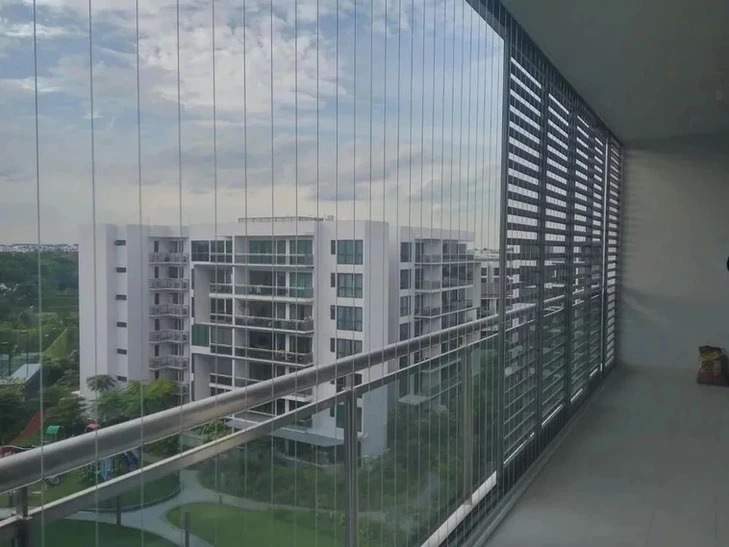
invisible grill in defence colony

The Kirkko Installation Process: What to Expect

When you book an installation with Kirkko for your Defence Colony residence, the process is smooth, professional, and entirely hassle-free.

  1. Free Site Inspection & Consultation: Our local expert from Hauz Khas/Shahpur Jat visits your property. We take precise laser measurements of your balconies, staircases, or windows, and discuss your specific needs (e.g., child safety vs. pet safety, which determines if you need a 2-inch or 3-inch gap).

  2. Transparent Quotation: You receive a detailed, no-obligation quote based on exact square footage, with zero hidden costs.

  3. Track Fixing: On installation day, our trained technicians carefully drill and mount the heavy-duty aluminum tracks to your floor and ceiling (or walls). We take extreme care not to damage your existing tiles or paintwork.

  4. Cable Threading and Tensioning: The SS 316 cables are threaded through the tracks. Using specialized tensioning tools, each wire is pulled to a high tensile strength to ensure rigidity.

  5. Quality Check & Clean-up: We perform a load test, ensure all fixtures are locked tight, and completely clean the installation area before handing the balcony back to you.

Frequently Asked Questions (FAQs) About Invisible Grills

To help you make a fully informed decision, we have compiled the most extensive list of FAQs regarding invisible grills in Defence Colony.

1. What exactly is an invisible grill?
An invisible grill is a modern safety barrier made from high-tensile, ultra-thin stainless steel cables (usually 2mm to 3mm thick) mounted on sturdy aluminum tracks. Because the cables are so thin, they blend into the background, providing safety without obstructing your view or compromising the building’s aesthetics.

2. Are invisible grills safe for children and pets in high-rise balconies? Absolutely. In fact, child and pet safety is the primary reason they are installed. The cables are incredibly strong and are spaced closely together (usually 2 inches apart for homes with small pets or kids). A child cannot pass through, and the tension prevents the wires from being pulled apart.

3. How much does an invisible grill cost per square foot in Defence Colony? Pricing depends on the quality of the materials used. While cheap variants exist, premium SS 316 marine-grade invisible grills typically range between ₹150 to ₹250 per square foot, fully installed. At Kirkko, we provide competitive pricing for top-tier materials with comprehensive warranties.

4. What is the exact difference between SS 304 and SS 316 grade cables? SS 304 is standard stainless steel, which is fine for indoors but can develop rust over time when exposed to Delhi’s pollution and monsoon rain. SS 316 is “marine grade” stainless steel, containing molybdenum, which makes it highly resistant to corrosion, rust, and harsh weather. Kirkko strictly recommends and uses SS 316 for all exterior installations.

5. Can invisible grills be cut with standard scissors or household pliers? No. High-tensile stainless steel cannot be cut with regular household scissors, knives, or standard pliers. It requires specialized, heavy-duty wire cutters to sever the cables, making them a reliable deterrent against accidental falls and casual break-ins.

6. Do invisible grills require regular maintenance or painting like iron grills? Zero maintenance is required. Unlike iron grills that need regular sanding, rust-treatments, and repainting every few years, invisible grills are rust-proof and coated with nylon. You simply need to wipe them down with a damp cloth during your regular home cleaning to remove atmospheric dust.

7. How much time does it take to install an invisible grill in a standard balcony?
For a standard-sized balcony, our professional Kirkko team can usually complete the installation within 4 to 6 hours. Larger properties or wrap-around balconies might take a full day. The process is quick, relatively quiet, and does not involve messy welding.

8. Are these grills permitted by RWA (Resident Welfare Associations) in Defence Colony?
Yes. In fact, most RWAs in premium South Delhi localities prefer or mandate invisible grills over traditional iron grills. Because invisible grills do not alter the uniform exterior facade of the building, they easily pass RWA architectural guidelines.

9. Will the installation process damage my expensive balcony tiles or walls? Professional installation requires drilling into the floor, ceiling, or side walls to mount the aluminum tracks. At Kirkko, our technicians use specialized drill bits and masking techniques to prevent tile cracking. We treat your property with the utmost respect and ensure a pristine finish.

10. Can invisible grills protect my home from the local monkey menace? Yes, they are highly effective. Traditional grills have horizontal bars that act like a ladder for monkeys. Invisible grills are typically installed vertically and pulled to high tension. Monkeys cannot easily grab them, and they cannot climb them, keeping your balcony safe from primate intrusions.

11. What is the standard gap between the wires of an invisible grill? The industry standard allows for either a 2-inch, 3-inch, or 4-inch gap. For homes in Defence Colony with children or pets (especially cats), we strongly recommend the 2-inch gap. For general safety in adult-only homes, a 3-inch or 4-inch gap is sufficient.

12. Are invisible grills weather-resistant against Delhi’s extreme heat and monsoon?
Yes. The SS 316 cables are unaffected by extreme temperature fluctuations. Furthermore, the cables are coated with a specialized UV-resistant nylon or PVC layer that prevents the core wire from heating up too much and protects it from the torrential monsoon rains.

13. Can invisible grills be installed on staircases and windows, or only on balconies?
They are highly versatile. While most commonly used for balconies, invisible grills are fantastic for open internal staircases, massive floor-to-ceiling French windows, open terraces, and even fencing around private swimming pools. They can be customized to fit almost any architectural shape.

14. Does the nylon coating on the wires peel off or yellow over time?
Cheap invisible grill in defence colony often use low-grade PVC coating that can turn yellow and brittle under Delhi’s harsh UV rays. Kirkko utilizes premium, UV-stabilized nylon nano-coatings that retain their clear or black finish, ensuring they do not peel, crack, or discolor over the years.

Conclusion: Elevate Your Defence Colony Home Today

Your home in Defence Colony is a reflection of your taste, success, and lifestyle. You should not have to compromise the stunning views and modern architecture of your builder floor by installing outdated, bulky iron grills.

Invisible grill in defence colony offer the ultimate solution: peace of mind knowing your family and pets are safe, freedom from maintenance and rust, and the joy of a wide-open, unobstructed view of South Delhi’s beautiful skyline.

When you choose Kirkko, you are not just buying wire and aluminum; you are investing in premium SS 316 marine-grade engineering, micro-tolerance tensioning, and the unparalleled convenience of having your service provider located right next door in Hauz Khas and Shahpur Jat.

Ready to upgrade your balcony? Do not wait for an accident to realize the importance of safety. Contact Kirkko (a brand by Siya Killer Pest Control Pvt. Ltd.) today for a free, no-obligation site inspection in Defence Colony. Let our local experts help you perfectly blend safety with luxury.

Call us today or visit our offices in Shahpur Jat / Hauz Khas to secure your home in style!

How to Get Rid of Mold: Real Guide + Why It Keeps Coming Back (Delhi NCR 2026)


how to get rid of mold ?

How to Get Rid of Mold (And Why It Keeps Coming Back)

If you’ve spotted black, green, or white fuzzy patches creeping across a bathroom wall, wardrobe, or ceiling corner, you’re dealing with mold — and it won’t go away on its own. Mold is a fungus that feeds on moisture, and once it takes hold, it spreads fast, damages surfaces, and can trigger allergies, coughing, and breathing trouble.

Small, fresh spots can often be wiped away at home. But if you’ve cleaned a patch before and it came back — or it’s spreading across more than a coin-sized area — that’s not a cleaning problem anymore, it’s a moisture problem, and this guide explains why household cleaning alone usually doesn’t solve it. It also covers something most guides skip entirely: why mold in Delhi NCR homes (Noida, Gurgaon, Ghaziabad, Faridabad) behaves differently from what generic guides describe, and how to tell when it’s time to call a professional. and If you’re considering professional treatment, understanding the mold removal cost guide for Delhi NCR can help you estimate what the treatment may involve.

What Causes Mold to Grow Indoors

Mold spores exist almost everywhere in the air. They only become a visible problem when three conditions line up:

  1. Moisture — leaking pipes, seepage, condensation, or high humidity (mold usually starts once indoor humidity crosses roughly 60%)
  2. A food source — drywall, wood, paint, grout, fabric, dust, and even the glue behind wallpaper
  3. Poor airflow — closed, dark rooms where damp surfaces never fully dry

That combination is why mold shows up first in bathrooms, kitchen backsplashes, basements, ground-floor flats, window sills, wardrobes pushed against outer walls, and behind furniture that blocks airflow.

Signs You Actually Have Mold (Not Just a Stain)

  • Fuzzy or slimy texture, not just a flat discoloration
  • A persistent musty, earthy smell in a room even after cleaning
  • Patches that return in the same spot within days of wiping
  • Peeling paint or a soft, bubbling wall surface
  • Family members with unexplained sneezing, congestion, or skin irritation that eases when they leave the house
how to get rid of mold
how to get rid of mold ?

Quick Fixes — For Very Small, Fresh Spots Only

If you’ve caught a coin-sized patch on a tile or glass surface within the last day or two, a quick wipe with undiluted white vinegar or 3% hydrogen peroxide, left on for 10 minutes then scrubbed and dried, can handle it. Wear a mask and gloves, and never mix bleach with ammonia or any other cleaner — the combination releases toxic gas.

Even so, mold is a health hazard, not just a cleaning nuisance — disturbing it releases spores into the air that can trigger allergies and breathing issues, so even for a small, fresh spot, the safer route is to have it checked by a professional rather than assume it’s fully handled. A quick wipe may clear the color, but it doesn’t confirm the mold hasn’t already spread into the material underneath.

That’s genuinely as far as safe DIY should go. Here’s why: a visible patch is usually just the part of the mold colony you can see. Wiping the surface color away removes the stain, not the root structure growing into paint, plaster, grout, or wood — which is exactly why so many people find the same patch back within a week, often larger than before. On walls, wardrobes, and any patch bigger than a coin, DIY cleaning also risks releasing spores into the air as you scrub, spreading the problem to other parts of the room instead of containing it.

Here’s the difference in plain terms:

Small, fresh spot (DIY-safe) Anything bigger / returning / hidden
What it looks like Coin-sized, on a hard surface, spotted within 1–2 days Larger patches, wall/ceiling stains, black mold, or a musty smell with no visible source
Root cause addressed? No — only the visible surface Yes — professionals trace the actual moisture source
Spore exposure risk Present even for small patches Higher, and needs controlled containment
Chance it returns Fairly high if the surface isn’t dried properly Low, when the moisture source is fixed
Recommended action Wipe with vinegar/hydrogen peroxide, then book an inspection to confirm Book a professional mold remediation service

Why “Just Clean It Yourself” Usually Doesn’t Solve Mold

Removing mold properly means finding and fixing the moisture source feeding it — a leak inside a wall, a blocked exhaust fan, a clogged AC drain line, or an incorrect slope in a bathroom or balcony letting water pool instead of drain. Household cleaning products can lift surface staining, but they can’t identify a hidden leak inside a wall cavity, and they don’t stop regrowth if the moisture problem underneath is still there. That’s the gap between “the patch looks gone” and “the mold problem is actually solved” — and it’s the single biggest reason mold keeps coming back for people who’ve cleaned it two or three times already.

Why Mold Spreads Faster in Delhi NCR Homes (and Why Generic Guides Miss This)

Most mold guides are written for humid coastal or Western climates. Delhi NCR has its own set of triggers that make mold both more common and more stubborn:

  • Extended monsoon humidity: indoor humidity in the region regularly climbs above 70–80% between July and September, well past the roughly 60% threshold where mold accelerates — but unlike coastal cities, that humidity spike is compressed into a shorter, more intense window, so mold appears faster and more visibly once it starts.
  • New-construction moisture: apartments in fast-growing areas like Gurgaon, Noida, and Greater Noida are frequently handed over on tight construction timelines, meaning walls and slabs may not have had adequate curing and drying time before residents move in — this is why some brand-new flats show wall fungus within the first year.
  • Concealed plumbing: modern flats run plumbing lines inside walls and floors rather than externally. A minor joint leak stays invisible for months, quietly feeding a mold colony until a patch finally appears on the painted surface.
  • Ground-floor and basement flats: high groundwater tables in parts of NCR mean ground-floor units and basements see mold complaints earlier in the season and more severely than upper floors.
  • Sealed, low-airflow apartment design: closely built high-rises block direct sunlight to many units, and windows often stay shut against rain, dust, or AQI concerns — removing the two things (sunlight and airflow) that naturally suppress indoor mold.

Practical takeaway: if you live in a ground-floor flat, a unit that gets little direct sun, or a relatively new building in NCR, treat July–September as a mold-prevention season, not just a mold-cleanup season — start dehumidifying and checking exhaust fans before the first patch appears, not after.

When to Call a Professional Mold Remediation Service

Call a professional rather than reaching for another bottle of vinegar when:

  • The affected area is larger than a coin or two — anything spread across a section of wall, ceiling, or wardrobe
  • Mold has returned in the same spot even once after you’ve already cleaned it
  • There’s a musty smell with no visible mold, which usually means it’s growing inside a wall cavity, false ceiling, or under flooring
  • Someone in the house has ongoing sneezing, coughing, or skin irritation that eases when they’re away from home
  • You’re dealing with black mold covering a continuous patch — this needs proper identification (not every dark patch is toxic Stachybotrys, but it should be professionally checked, not guessed at)

A proper mold remediation service starts with finding the actual moisture source — not just cleaning what’s visible — then safely removes affected material where needed and treats the area to prevent regrowth. That’s the part a bottle of vinegar can’t do, and it’s why patches that “keep coming back” almost always need a proper inspection rather than a fourth round of scrubbing. If you’re in Delhi, you can also read more on mold and fungus treatment options here.

mold prevention
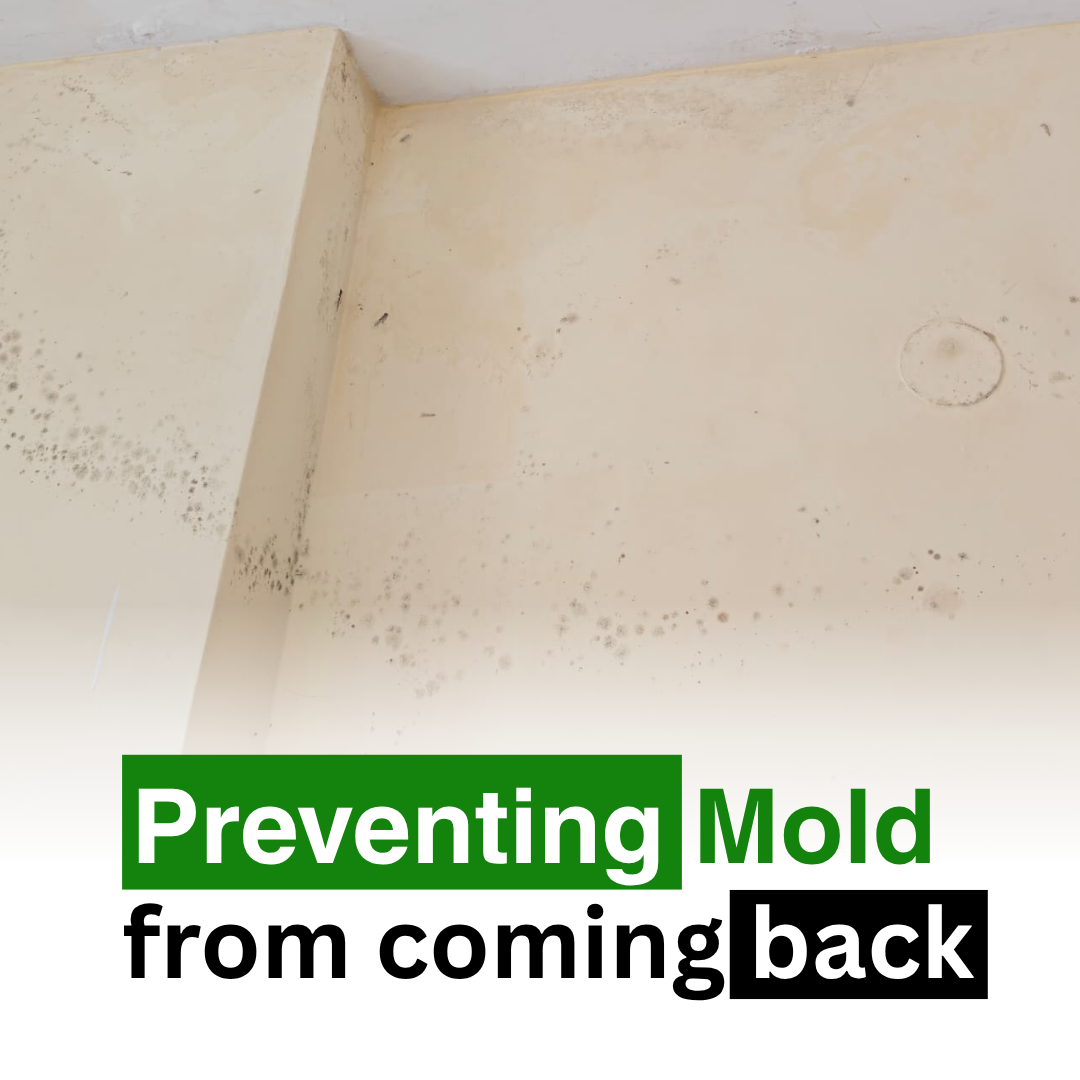
7 ways for Preventing Mold From Coming Back

  • Keep indoor humidity under 50% where possible — a small hygrometer costs very little and takes the guesswork out
  • Run bathroom and kitchen exhaust fans during and for 15–20 minutes after use
  • Get your AC’s drain line checked before monsoon — a clogged line is a common hidden moisture source
  • Leave 2–3 inches of gap between wardrobes/furniture and outer walls to allow airflow
  • Don’t store damp clothes, towels, or shoes inside closed cupboards
  • Open windows and curtains during the driest, sunniest hours of the day, even briefly
  • Use moisture-resistant or anti-fungal paint in bathrooms, kitchens, and ground-floor rooms during repainting

Frequently Asked Questions


  • How to remove mold from wall ? For a small, fresh patch, put on a mask and gloves, then apply undiluted white vinegar or 3% hydrogen peroxide directly onto the mold, let it sit for 10 minutes, then scrub with a stiff brush and dry the area completely — moisture left behind lets mold return within days. Avoid mixing bleach with any other cleaner, as this releases toxic fumes. For patches larger than a coin, mold that has returned after cleaning, or stains spreading across the wall, surface cleaning won’t remove the root growing inside the plaster or paint — this needs professional mold remediation to trace the moisture source and treat the wall properly. Siya Killer Pest Control offers professional mold remediation across Delhi NCR — call 9354539833 to book an inspection. 
  • Is it safe to remove mold myself, even a small patch? You can wipe away a very small, fresh patch with vinegar or hydrogen peroxide, but mold is a genuine health hazard — scrubbing it releases spores into the air — so it’s advisable to get even small patches checked by a professional rather than assume a quick clean has fully resolved it.

Does vinegar really kill mold, or just bleach the color? Vinegar is mildly acidic and does kill many common household mold species at the root, not just the surface color — which is why it’s often recommended over bleach for porous surfaces, where bleach only bleaches the visible color and doesn’t reach mold growing inside the material.

Can I just paint over mold instead of removing it? No. Paint traps moisture and mold underneath, and it will bubble through or reappear within weeks. Always clean and fully dry the surface first.

Is a musty smell with no visible mold still a problem? Yes — a persistent musty smell usually means mold is growing somewhere hidden, like inside a wall cavity or under flooring, and is a common reason to get a professional inspection rather than keep cleaning surfaces.

How long does it take for mold to come back after cleaning? If the moisture source isn’t fixed, visible regrowth can appear within a week, especially during monsoon months in humid regions like Delhi NCR.

Is mold more dangerous for children and elderly family members? Yes, prolonged exposure to mold is more likely to affect children, elderly people, and anyone with asthma or existing respiratory conditions, so faster action matters more in homes with vulnerable family members.


Struggling With Mold That Keeps Coming Back?

Cleaning it yourself only goes so far when the real problem is a hidden leak or trapped humidity. Siya Killer Pest Control offers professional mold remediation across Delhi NCR — Noida, Gurgaon, Greater Noida, Ghaziabad, and Faridabad — for homes, offices, and housing societies. We identify the actual moisture source, safely remove affected material, and treat the area to stop regrowth, using child- and pet-safe treatments.

📞 Call 9354539833 to book an inspection.


for more tips and recommendation on “how to get rid of mold ?” you can visit this site click on this

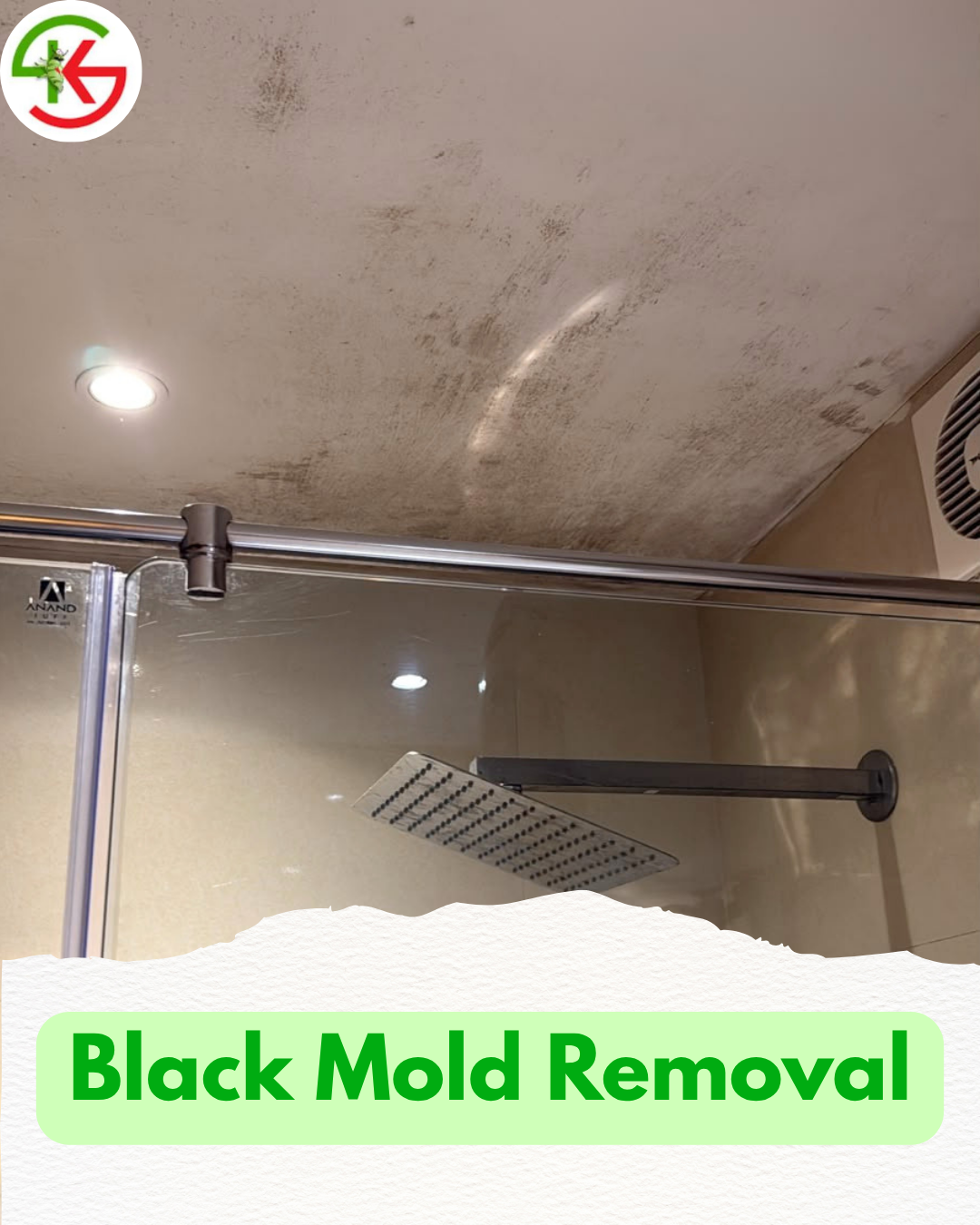
Black Mold Removal Services in Delhi NCR: Complete Guide by Siya Killer Pest Control

Mold Removal Service in Delhi NCR: Complete Guide by Siya Killer Pest Control

black mold removal service
black mold removal service vasant kunj

Quick Answer for black mold mold removal service :

Siya Killer Pest Control provides professional black mold removal service, mold treatment across Delhi NCR (Delhi, Gurgaon, Noida, Ghaziabad, Faridabad). Our certified technicians inspect the affected area, contain the mold, remove it using EPA-approved antimicrobial treatments, and apply a long-term prevention coating — with most jobs completed in 1–2 days. Call 9354539833 for a free inspection.

Continue reading “Black Mold Removal Services in Delhi NCR: Complete Guide by Siya Killer Pest Control”

How to clean mold on wall ? How to treat fungal infected walls

How to treat Fungal infected Walls and Wood

clean fungal infected wall │ clean mold on wall

How to Clean Mold on Wall or How to remove mold from wall : DIY Tips vs. When You Need a Specialist (Delhi NCR Guide)

That dark, fuzzy patch spreading across your bedroom or bathroom wall isn’t just an eyesore — it’s a health hazard growing in real time. If you’ve noticed mold on your walls and you’re wondering whether to grab a scrub brush or call a professional, this guide will walk you through exactly what to do at every stage.

Why Mold Shows Up on Walls in the First Place

Mold thrives wherever there’s moisture — leaking pipes, poor ventilation, monsoon dampness, or condensation from ACs. In Delhi NCR’s humid summers and damp monsoon months, homes are especially prone to it. Local search interest in mold treatment, mold on wall, mold removal service, fungal infected wall spikes every year once indoor humidity crosses roughly 60%, which happens fastest in ground-floor flats, basements, and poorly ventilated bathrooms — and a small patch can spread across an entire wall within weeks if it’s left alone (Siya Killer Pest Control’s local mold guide).

Continue reading “How to clean mold on wall ? How to treat fungal infected walls”