
Mold Treatment: Complete Guide to Mold Treatment for Walls, Ceilings & Homes
Mold treatment is the process of treating and controlling mold growth in a home, office or commercial property while addressing the moisture conditions that allow mold to develop.
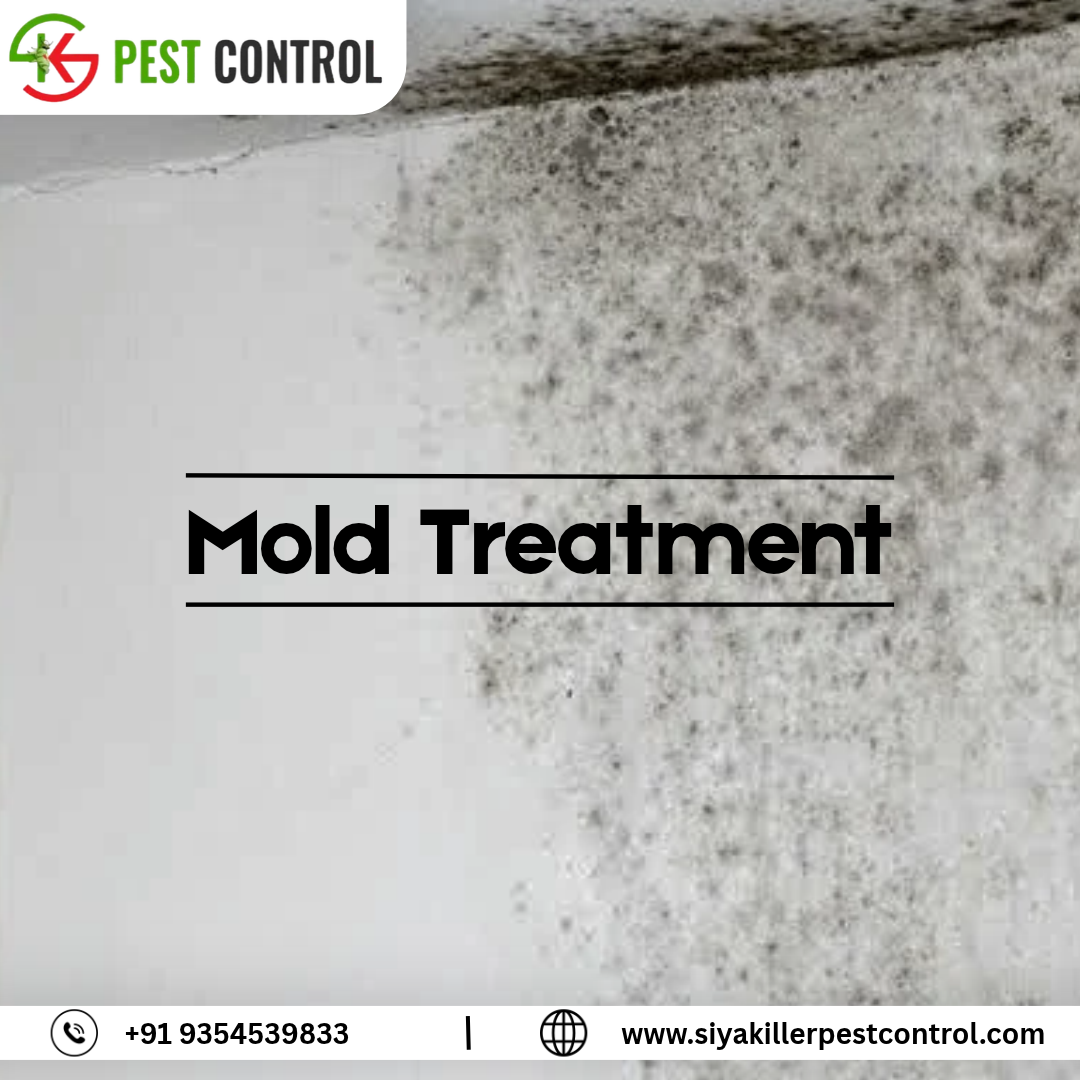
Mold can appear on walls, ceilings, wooden furniture, wardrobes, bathroom surfaces and other areas where moisture and poor ventilation are present. You may notice black spots, green patches, white fungal growth, peeling paint or a persistent musty smell.
However, effective mold treatment is not simply about removing the visible mold.
If the underlying moisture, condensation, seepage or ventilation problem continues, mold can return even after the affected surface has been cleaned or painted.
This is why professional mold treatment should consider:
Identify the cause → assess the mold → treat the affected area → control moisture → dry the area → prevent recurrence
If you’re dealing with recurring mold in your home, you can also read our detailed guide on [how to get rid of mold] to understand why mold develops and what can be done about it.
What Is Mold Treatment?
Mold treatment refers to the process of identifying mold growth, understanding what is causing it and treating the affected surface or material using an appropriate method.
The treatment required depends on several factors, including:
- Location of the mold
- Size of the affected area
- Type of surface
- Amount of moisture present
- Duration of moisture exposure
- Whether the material is porous
- Whether the mold keeps returning
- Whether hidden mold is suspected
- Whether there has been previous water damage
For example, mold treatment for a bathroom wall may be very different from treating mold on a wooden wardrobe or ceiling affected by water seepage.
This is why there is no single mold treatment method that is appropriate for every property.
A professional assessment helps determine whether the problem requires surface cleaning, antifungal treatment, moisture correction, material removal or a more comprehensive mold remediation service.
Mold Treatment vs Mold Removal vs Mold Remediation
People searching Google for mold treatment, mold removal and mold remediation are often looking for similar services, but these terms can describe different levels of work.
What Is Mold Removal?
Mold removal generally refers to physically removing visible mold from an affected surface.
For example, cleaning visible mold from a wall, tile or furniture surface can be considered mold removal.
What Is Mold Treatment?
Mold treatment goes beyond simply making the surface look clean.
It involves treating the affected area while considering the conditions that allowed the mold to develop.
Depending on the situation, treatment may include:
- Cleaning
- Surface treatment
- Antifungal treatment
- Moisture control
- Drying
- Treatment of affected materials
- Prevention recommendations
What Is Mold Remediation?
Mold remediation refers to a more comprehensive process of controlling a mold problem.
It can involve:
- Assessment
- Moisture investigation
- Containment where required
- Cleaning
- Treatment
- Removal of severely affected materials
- Drying
- Prevention
If you’re looking for a professional service, see our guide to [mold remediation in Delhi NCR] to understand how the process works.
In simple terms:
Mold removal: Remove visible mold.
Mold treatment: Treat the mold and affected area.
Mold remediation: Address the broader mold problem and conditions supporting its growth.
The U.S. Environmental Protection Agency also emphasizes that controlling moisture is central to controlling mold. (EPA mold guidance)
Why Does Mold Keep Coming Back After Treatment?
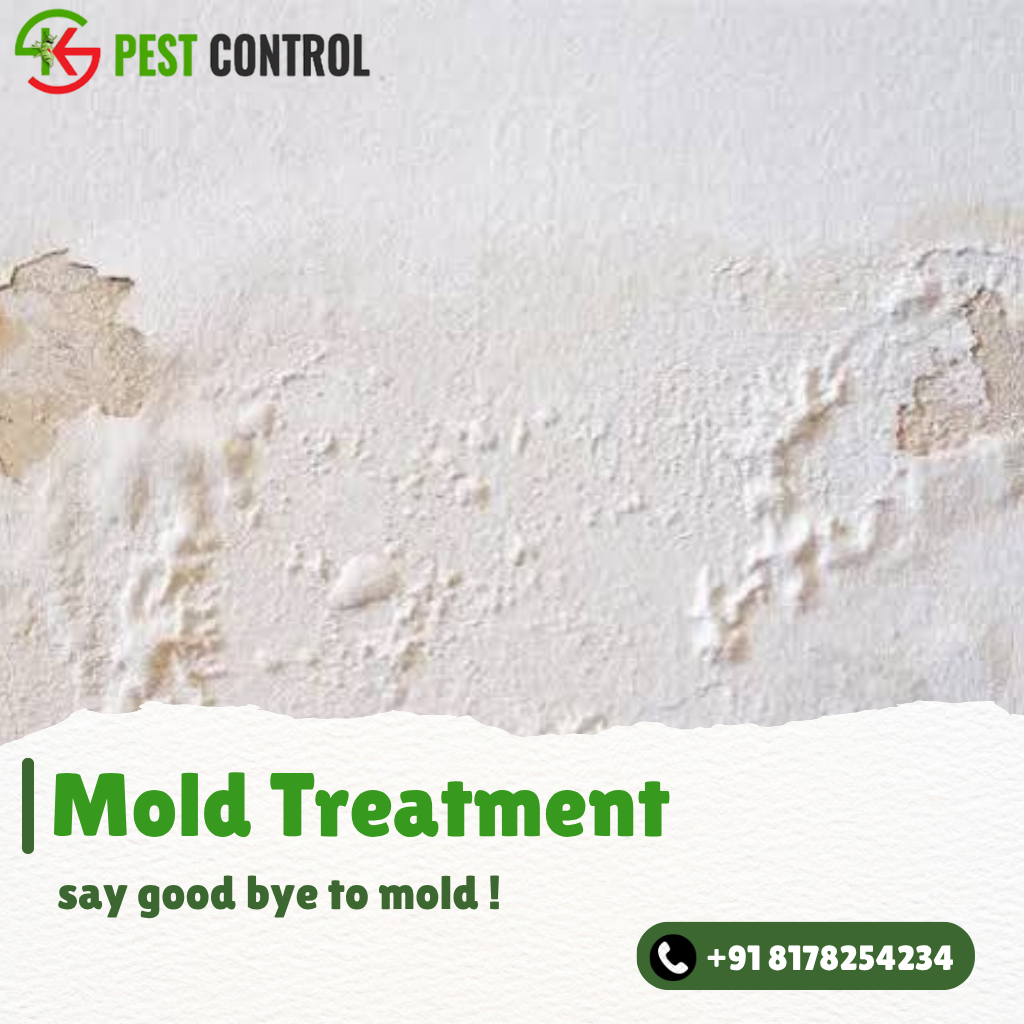
One of the biggest mistakes people make is treating mold as only a surface problem.
You clean a wall.
The black patches disappear.
You repaint.
Everything looks normal.
Then after some time, the mold comes back.
Why?
Because the moisture problem may still exist.
Common causes of recurring mold include:
- Water seepage
- Plumbing leaks
- Bathroom humidity
- Condensation
- Poor ventilation
- AC condensation
- Roof leakage
- Damp external walls
- Moisture behind furniture
- High indoor humidity
- Previous water damage
The EPA explains that moisture control is fundamental to mold control. If a water problem is not corrected, mold can continue to grow or return. (EPA)
That’s why you shouldn’t simply paint over mold.
The better approach is:
Find the moisture source → correct the problem → treat the mold → dry the area → monitor the condition
What Causes Mold in Homes?
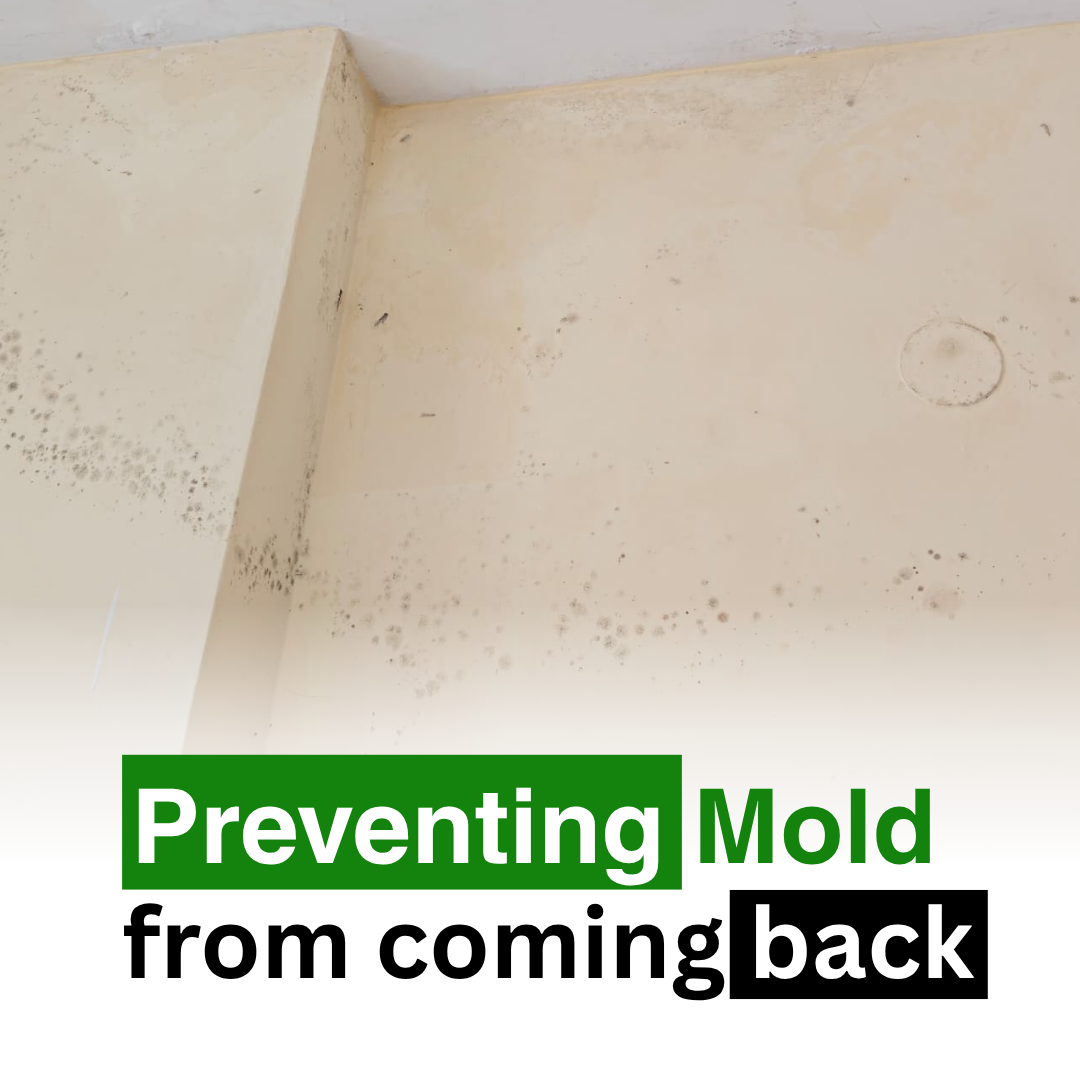
Understanding the causes of mold is an important part of effective mold treatment.
Mold generally becomes a problem when moisture and suitable conditions allow fungal growth to develop.
Common causes include:
Water Leakage
Leaking pipes, bathrooms, roofs and plumbing fixtures can create persistent moisture.
Wall Seepage
Water entering through walls can create damp areas where mold develops.
High Humidity
High indoor humidity can increase moisture on walls, ceilings and other surfaces.
Poor Ventilation
Bathrooms, kitchens and other humid areas need adequate ventilation.
Condensation
Condensation can occur around windows, AC units, cold walls and other surfaces.
Damp Furniture
Furniture placed tightly against damp walls can restrict airflow and trap moisture.
Previous Water Damage
Flooding, leakage or previously wet materials can create conditions suitable for mold.
The National Institute of Environmental Health Sciences explains that moisture, leaking pipes, humidity and inadequate ventilation can contribute to indoor mold growth. (NIEHS)
Signs You Need Mold Treatment
Mold isn’t always immediately obvious.
Some signs can appear before you see extensive fungal growth.
1. Black or Green Spots on Walls
Dark patches can indicate visible mold growth.
2. White Fungal Growth
White or powdery-looking growth can also occur on damp surfaces.
3. Musty Smell
A persistent musty or earthy smell may indicate moisture or hidden mold.
4. Peeling Paint
Paint peeling, bubbling or discoloring can be associated with moisture behind the surface.
5. Damp Walls
Walls that repeatedly feel damp or develop discoloration should be investigated.
6. Mold Behind Furniture
Wardrobes and cabinets can conceal mold, especially when placed directly against damp walls.
7. Mold on Ceilings
Ceiling mold may be associated with bathroom humidity, leakage, condensation or moisture from another floor.
8. Mold That Returns After Cleaning
Repeated mold growth is one of the strongest reasons to investigate the underlying moisture conditions.
For scientific background on dampness, visible mold, water damage and indoor microbial growth, the [WHO guidelines on dampness and mould] provide an independent reference. (NCBI/WHO)
How Does Professional Mold Treatment Work?
A professional mold treatment service should not simply spray the same product everywhere.
The treatment approach should depend on the affected surface, extent of growth and moisture conditions.
At Siya Killer Pest Control, the process can involve the following stages.
1. Mold Assessment
The affected area is examined to understand:
- Where mold is visible
- How extensive the growth appears
- Whether surrounding areas are damp
- Whether furniture is affected
- Whether there are signs of water damage
- Whether ventilation may be contributing
- Whether hidden mold may be possible
The objective is to understand the problem before deciding on the treatment approach.
2. Identify the Moisture Source
Finding the moisture source is a critical part of mold treatment.
Possible sources include:
- Leakage
- Seepage
- Condensation
- High humidity
- AC drainage
- Plumbing problems
- Poor ventilation
If the source remains active, treating only the visible mold may provide only temporary improvement.
The EPA’s official mold cleanup guidance explains why moisture problems should be addressed as part of mold cleanup.
Why visit the EPA site?
Because it provides independent government guidance about mold cleanup, moisture control and affected materials.
3. Prepare and Protect the Treatment Area
Depending on the size and location of the mold problem, the affected area may need appropriate preparation and protection.
For larger mold problems, controlling the movement of contaminated material and particles can be important.
The exact procedure depends on the property and extent of the problem.
4. Mold Cleaning and Surface Treatment
The affected surface is treated according to its material and condition.
Different surfaces can require different approaches.
For example:
- Painted walls
- Plaster
- Tiles
- Wood
- Furniture
- Ceiling surfaces
- Other porous materials
should not automatically be treated in exactly the same way.
The goal is not merely to make a black patch disappear.
The affected surface needs to be appropriately cleaned and treated while the underlying moisture conditions are addressed.
5. Treatment of Porous Materials
Porous materials require additional consideration because moisture and mold can penetrate into their structure.
Examples include:
- Wood
- Drywall
- Ceiling tiles
- Carpet
- Upholstery
- Certain furniture materials
In some situations, cleaning may be sufficient.
In other cases, severely affected porous materials may need controlled removal or replacement.
The EPA explains that some porous materials can be difficult to clean completely when they have become moldy. (EPA)
6. Drying and Moisture Control
After mold treatment, the affected area needs to be kept dry.
Depending on the situation, this may involve:
- Improving ventilation
- Dehumidification
- Fans
- Fixing leaks
- Improving airflow
- Drying wet materials
This is an important step because mold treatment and moisture control go together.
EPA guidance recommends drying wet materials promptly and emphasizes moisture control as the key to mold control. (EPA)
7. Post-Treatment Assessment
After treatment, the affected area can be checked again for:
- Remaining visible mold
- Continuing moisture
- Recurring dampness
- Surface condition
- Signs that additional work may be required
The goal is to control the active mold problem and reduce the conditions that support future growth.
Mold Treatment for Walls
Mold treatment for walls is one of the most common reasons homeowners search for professional mold services.
Wall mold can result from:
- Water seepage
- Plumbing leaks
- Condensation
- Poor ventilation
- Damp external walls
- Furniture blocking airflow
- High humidity
If the mold is limited to a wall surface, treatment may be relatively straightforward.
However, if the wall repeatedly becomes damp, the moisture source should be investigated.
For a more detailed guide, see our article on [how to clean mold on walls].
That page is useful if your specific problem is mold on a wall, while this page covers the broader topic of mold treatment.
Mold Treatment for Ceilings
Ceiling mold can develop due to:
- Bathroom humidity
- Roof leakage
- Plumbing leakage
- AC condensation
- Water from an upper floor
- Poor ventilation
If mold appears on a ceiling repeatedly, simply repainting it may hide the problem temporarily without correcting the moisture source.
The treatment should therefore consider both the visible mold and the condition causing it.
Black Mold Treatment
The term black mold is commonly used to describe dark-colored mold growth.
However, the color of a mold patch alone cannot identify its exact species or determine its health effects.
Therefore, don’t rely solely on the appearance of a black patch to decide how serious the problem is.
If you are dealing with what you believe is black mold in your home, professional assessment can help determine the appropriate treatment approach.
for more information visit our blog black mold removal.
Mold Treatment for Wood and Furniture
Mold can develop on wooden furniture, wardrobes, cabinets and other wooden surfaces when they remain damp.
Furniture can be particularly vulnerable when it is positioned directly against a damp wall because airflow becomes restricted.
Treatment may involve:
- Cleaning
- Surface treatment
- Drying
- Moisture correction
- Assessment of the material
If the wood has suffered extensive deterioration, treatment alone may not restore the material.
Mold Treatment in Bathrooms
Bathrooms are naturally exposed to moisture.
Every shower or hot-water use can increase humidity, and without sufficient ventilation, moisture can remain on walls and ceilings.
Common bathroom mold-control measures include:
- Using exhaust ventilation
- Improving airflow
- Drying wet surfaces
- Fixing leaks
- Controlling humidity
- Treating recurring mold
If mold continues appearing around the bathroom ceiling or walls, don’t simply keep cleaning it.
Investigate why the area remains damp.
Can You Treat Mold Yourself?
For small areas of surface mold, homeowners may sometimes be able to perform cleanup themselves when appropriate precautions are followed.
However, professional mold treatment may be more appropriate when:
- The mold covers a large area
- Mold repeatedly returns
- There has been significant water damage
- Porous materials are affected
- Mold may be hidden
- There is a strong persistent musty smell
- The moisture source is unknown
- The affected area is difficult to access
Before attempting DIY mold cleanup, the CDC mold cleanup guide is worth reading because it explains safety precautions that a commercial mold-treatment website may not cover.
Don’t Paint Over Mold
One of the most common mistakes is simply painting over mold.
Painting can temporarily hide discoloration, but it doesn’t necessarily address the underlying moisture problem.
We advice you to paint over the surface After 10~14 days of mold treatment service, because if mold have to regrow or to reappear it can do it under 7 days . so, that mold remediation can be done again and remove it completely.
The better approach:
Don’t cover the problem. Find the cause.
Is Mold Treatment Necessary?
If mold is small and superficial, the appropriate response can differ from a large or recurring mold problem.
Professional mold treatment becomes particularly useful when:
- Mold keeps returning
- The affected area is increasing
- There is persistent moisture
- You cannot identify the source
- Multiple surfaces are affected
- Porous materials are involved
- There has been significant water damage
The goal is not simply to make your wall look clean.
It is to understand why mold is growing and what needs to be done to control the problem.
Mold Treatment and Health
People can respond differently to mold exposure.
Some individuals may experience irritation or allergy-related symptoms, while certain people may be more susceptible to health effects.
The WHO has reviewed evidence concerning damp and moldy indoor environments and respiratory health. (WHO/NCBI)
If you want to understand the scientific evidence behind indoor dampness and mold, we recommend reading the WHO Guidelines for Indoor Air Quality: Dampness and Mould.
Why visit this source?
Because it provides scientific and public-health information rather than promotional claims from a mold treatment company.
If someone in your property has significant health concerns related to mold exposure, medical advice should come from a qualified healthcare professional.
How to Prevent Mold After Treatment
Professional treatment can address an existing mold problem, but moisture control is important for long-term prevention.
Control Humidity
Keep indoor humidity under control, particularly in bathrooms and other naturally humid areas.
Improve Ventilation
Use appropriate exhaust fans and ventilation.
Fix Water Leaks
Don’t ignore small plumbing leaks or recurring seepage.
Improve Airflow
Avoid keeping large wardrobes completely pressed against damp walls.
Deal With Condensation
Condensation around windows, AC units and cold surfaces can contribute to localized moisture.
Dry Wet Areas
Dry wet surfaces and materials promptly.
Investigate Recurring Mold
If mold repeatedly appears in the same location, investigate the cause instead of repeatedly cleaning the visible patch.
The EPA’s guide to mold, moisture and your home provides additional information about moisture prevention and mold control.
When Should You Hire a Professional Mold Treatment Service?
Searching for “mold treatment near me” usually means the homeowner has reached the point where cleaning alone isn’t solving the problem.
Consider professional mold treatment when:
- Mold keeps returning
- Multiple rooms are affected
- There is a persistent musty smell
- Walls remain damp
- Ceiling mold keeps returning
- Mold is behind furniture
- Wooden surfaces are affected
- There has been water damage
- You suspect hidden mold
- You cannot identify the moisture source
- DIY cleaning has not worked
A professional can assess the affected area and help determine whether the problem requires surface treatment, moisture correction, remediation or additional work.
If you’re in Delhi NCR, see our [mold remediation near me guide] for more information about getting professional mold treatment locally.
How Much Does Mold Treatment Cost?
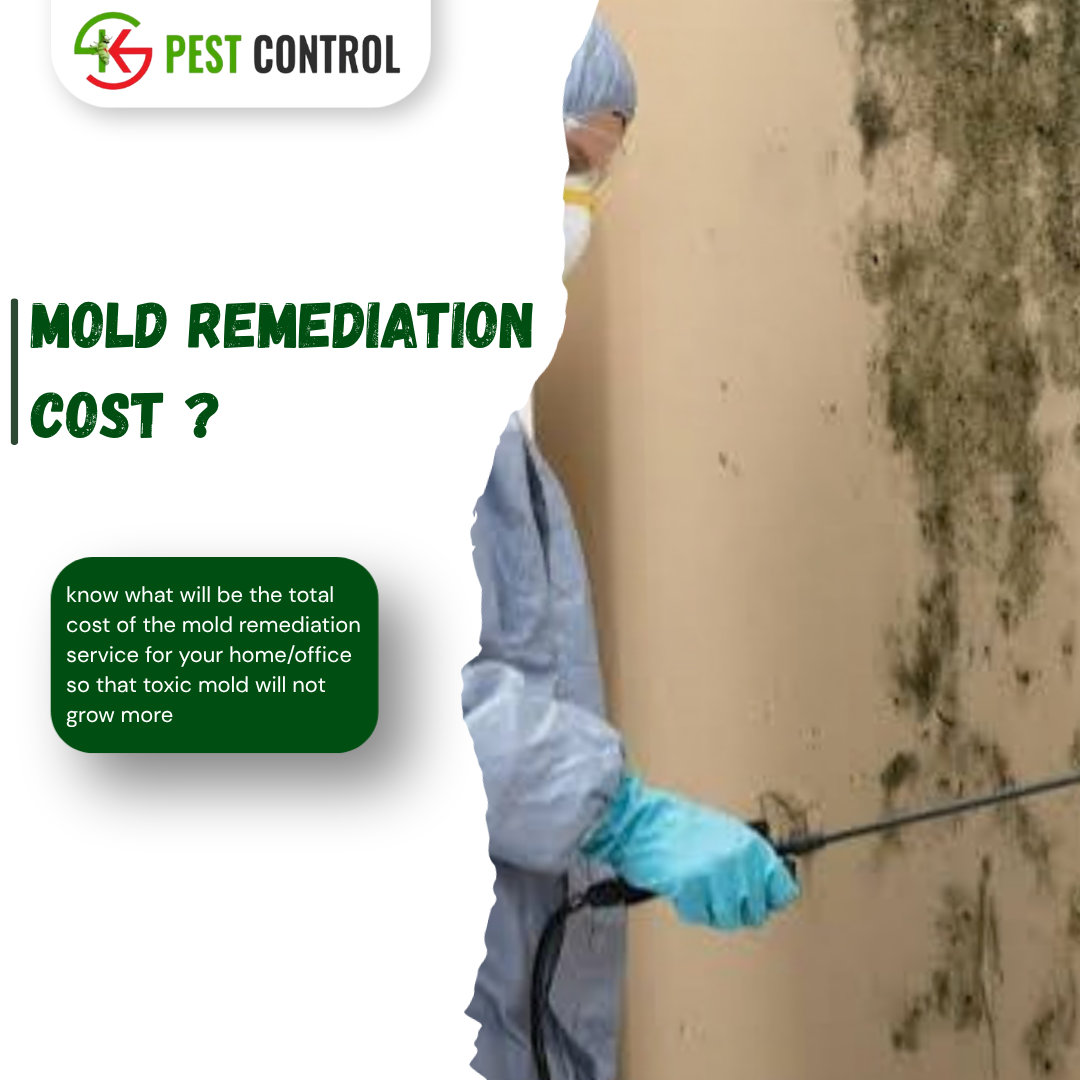
The cost of mold treatment can vary significantly from one property to another.
Factors can include:
- Size of the affected area
- Severity of mold growth
- Type of surface
- Number of affected rooms
- Accessibility
- Furniture involvement
- Moisture conditions
- Required cleaning
- Porous material damage
- Drying requirements
- Additional restoration work
This is why a fixed “mold treatment price” may not accurately represent every situation.
For example, treating a small area of surface mold can be very different from dealing with recurring mold caused by water seepage.
For a detailed explanation of mold-related pricing in Delhi NCR, see our [Mold Removal Cost in Delhi NCR] guide.
This can help you understand what factors may affect the cost before contacting a service provider.
Mold Treatment in Delhi NCR
If you’re searching for mold treatment in Delhi, mold treatment in Noida, mold treatment in Gurgaon or mold treatment near me, the underlying problem is often similar: moisture has created favorable conditions for mold growth.
Siya Killer Pest Control provides mold treatment and mold remediation services across:
- Delhi
- Noida
- Gurgaon
- Greater Noida
- Ghaziabad
- Faridabad
- Nearby Delhi NCR locations
Mold problems in Delhi NCR may be associated with:
- Monsoon humidity
- Bathroom moisture
- AC condensation
- Damp walls
- Poor ventilation
- Plumbing leakage
- Water seepage
- Moisture behind furniture
Our approach focuses on understanding the affected area and potential moisture source before recommending an appropriate treatment approach.
You can also read our [professional mold remediation service guide] to understand the process in more detail.
Why Choose Siya Killer Pest Control for Mold Treatment?
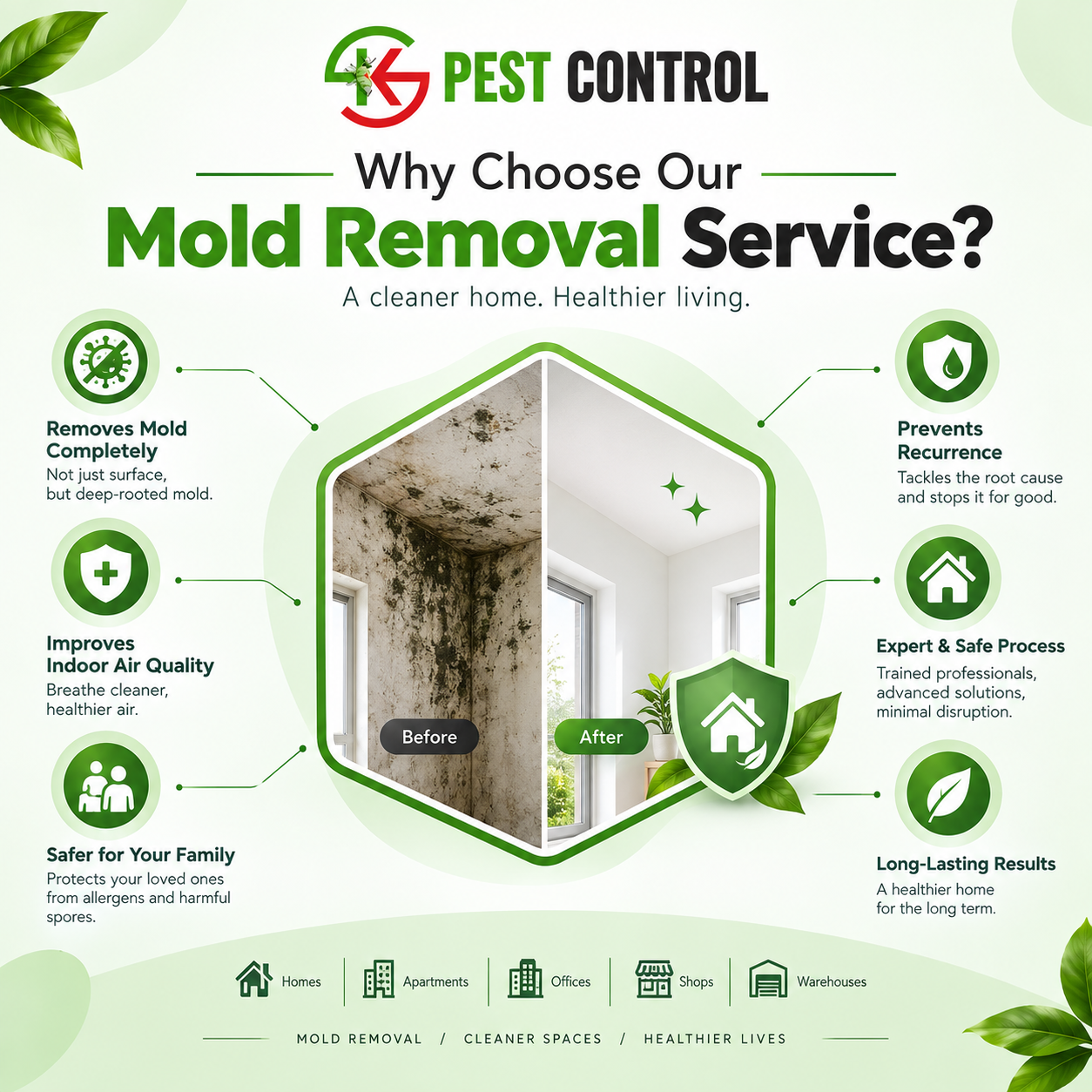
Choosing a mold treatment company shouldn’t be based only on who promises to make the black patches disappear.
The more important question is:
Will the treatment address why the mold developed?
At Siya Killer Pest Control, our approach focuses on the cause + treatment + prevention of mold problems.
Root-Cause Focus
We look beyond the visible mold and consider the moisture conditions that may be contributing to growth.
Treatment Based on the Surface
Walls, ceilings, wood and furniture may require different treatment approaches.
Professional Mold Treatment
We provide mold treatment and mold remediation services for residential and commercial properties.
Delhi NCR Service
We serve Delhi, Noida, Gurgaon, Greater Noida, Ghaziabad, Faridabad and nearby locations.
Prevention-Oriented Approach
The goal isn’t simply to clean the visible patch.
We also help identify conditions that may contribute to recurring mold so that the property owner can address them.
Frequently Asked Questions About Mold Treatment
What is mold treatment?
Mold treatment is the process of addressing mold growth on affected surfaces while considering the moisture conditions that allowed it to develop.
How do you treat mold on walls?
Treatment depends on the wall material, extent of mold growth and moisture condition. Cleaning and surface treatment may be appropriate for some situations, while recurring dampness may require investigation of the underlying moisture source.
Read our [mold on wall treatment guide] for more information.
What is the best mold treatment for black mold?
The color of mold alone cannot determine its species or the correct treatment. The affected area and material should be assessed to determine the appropriate cleaning and treatment approach.
Can I permanently remove mold?
You can address active mold growth and correct the conditions supporting it, but no responsible service should promise that a property will remain completely free of mold forever.
Mold can return if moisture returns.
Can I paint over mold?
Painting over mold without cleaning it and correcting the moisture problem is not a reliable solution.
Why does mold keep returning?
Recurring mold is often associated with continuing moisture, humidity, condensation, leakage or poor ventilation.
How long does mold treatment take?
Treatment time depends on the size of the affected area, severity, material and whether drying or additional corrective work is required.
How much does mold treatment cost?
There is no universal price. The cost depends on the size, severity, affected material, accessibility and moisture conditions.
For Delhi NCR pricing factors, read our [Mold Removal Cost guide].
Is professional mold treatment better than DIY cleaning?
For small surface areas, DIY cleaning may sometimes be appropriate. Professional treatment becomes more useful when the problem is recurring, extensive, hidden or associated with significant water damage.
Can mold grow behind furniture?
Yes. Poor airflow and moisture behind wardrobes, cabinets and other furniture can create favorable conditions for mold.
Can mold grow inside walls?
Yes. Moisture entering wall cavities can create conditions for concealed mold growth.
Should I treat mold before painting?
Yes. Mold should be addressed and the moisture problem corrected before painting the affected area.
The Most Important Thing to Know About Mold Treatment
If you remember only one thing from this guide, remember this:
Don’t treat only what you can see. Find out why it is there.
A black patch on a wall is visible.
The moisture causing it may not be.
That’s why effective mold treatment should consider:
Assessment → Moisture Source → Mold Treatment → Drying → Prevention
Cleaning the visible mold can improve the appearance of the property.
Addressing the conditions that allow mold to grow is what helps reduce the chance of recurrence.
Need Mold Treatment in Delhi NCR?
If you’re dealing with mold on walls, black mold, ceiling mold, recurring fungal growth, damp walls or a persistent musty smell, Siya Killer Pest Control can assess the affected area and recommend an appropriate treatment approach.
We provide professional mold treatment and mold remediation services for residential and commercial properties across Delhi NCR.
Call: +91 9354539833
Service Areas: Delhi | Noida | Gurgaon | Greater Noida | Ghaziabad | Faridabad | Nearby Delhi NCR
Don’t keep painting over recurring mold.
Find the moisture source. Treat the mold. Control the conditions that allow it to return.
[Contact Siya Killer Pest Control for Mold Treatment]