
Anti-Termite Piping System in Delhi NCR: Complete Guide for Hauz Khas, South Delhi & Gurgaon Homeowners (2026)
Everything you need to know about anti termite piping system is that before your flooring goes down — how the system works, IS 6313 standards, real cost per sq ft, and why South Delhi and Gurgaon homes specifically need it.
If you’re building or renovating a home in Hauz Khas, South Delhi, or Gurgaon, this is the single most important termite decision you’ll make — and it has to happen before your flooring goes down. Once the slab is cast, your only options are expensive drilling and repeat chemical spraying every few years. An anti-termite piping (reticulation) system installed now gives you a refillable chemical barrier that lasts the lifetime of the building.
This guide explains exactly how the system works, what it costs in Delhi NCR right now, and why homes in South Delhi’s older colonies and Gurgaon’s fast-growing sectors specifically need it.
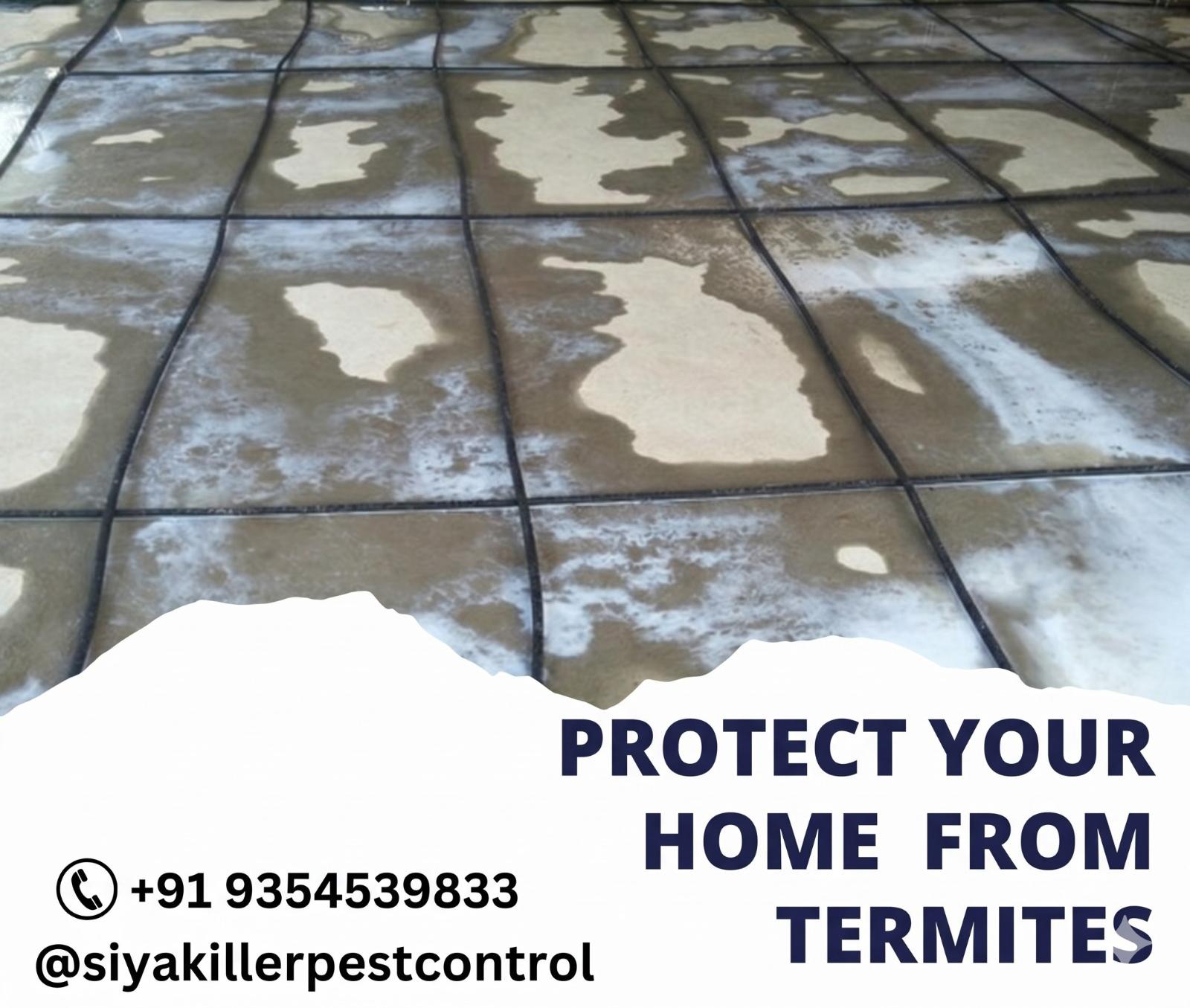
What Is an Anti-Termite Piping System?
An anti-termite piping system — also called a termite reticulation system or termite tubing system — is a network of perforated HDPE (High-Density Polyethylene) pipes laid underground along the building’s foundation and flooring grid before the floor slab or tiles are laid. These pipes have micro-holes (typically 1–2 mm, spaced every 100–200 mm) that release termiticide evenly into the soil beneath and around the structure.
Unlike one-time chemical spraying, the pipe network connects to external junction boxes (refill points), so the termiticide barrier can be recharged every 2–3 years without breaking a single tile or disturbing residents.
Why This Matters More in Hauz Khas & South Delhi ?
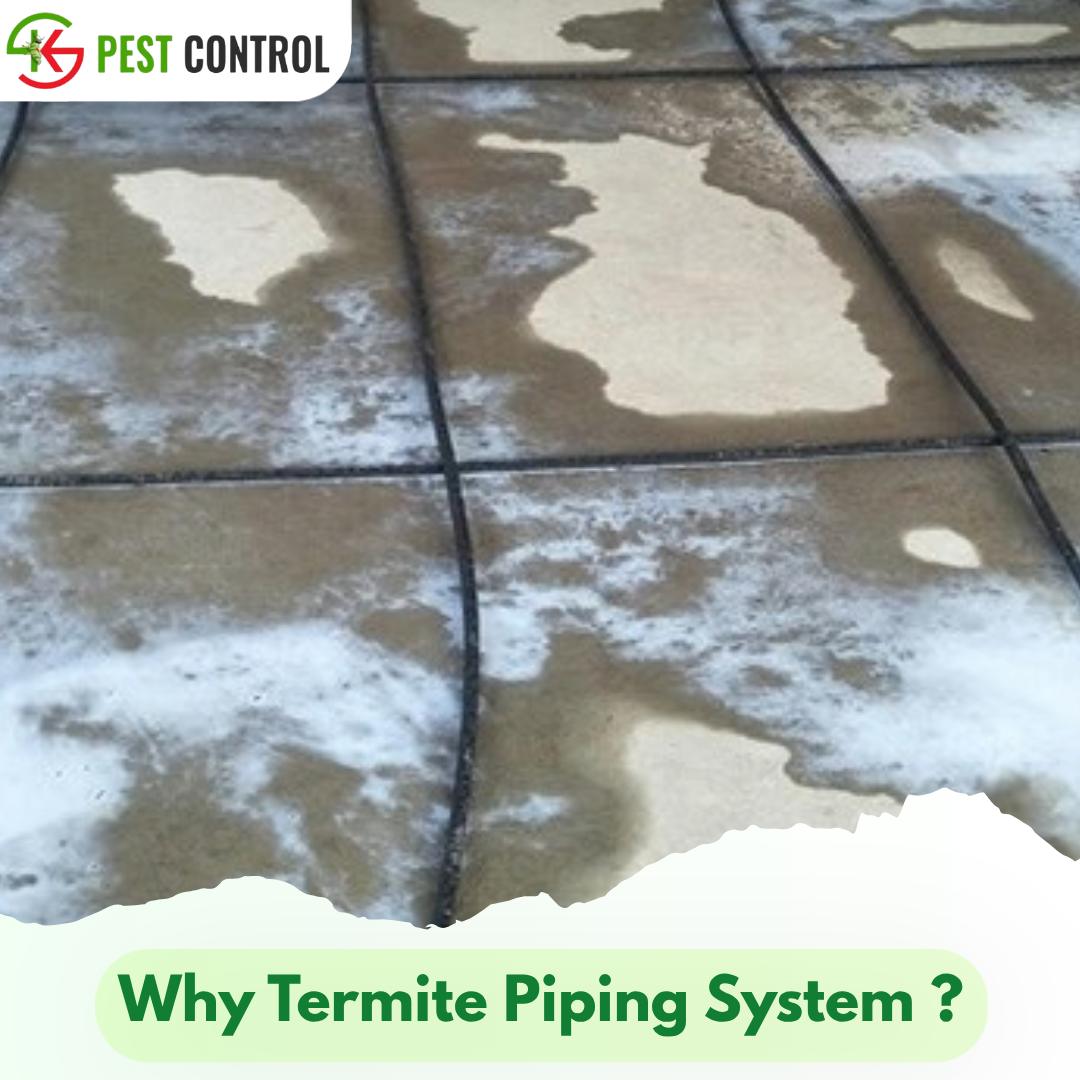
Termites cause more structural damage to Indian homes than fire and flood combined, yet most homeowners only think about termite protection after the damage is already visible — by which point treatment means drilling into flooring, tearing up tiles, and living with harsh chemical odor indoors for days. An anti-termite piping system solves this by getting ahead of the problem: a network of perforated pipes is laid underground before your flooring is cast, creating a permanent chemical delivery channel around the foundation and across the slab. Instead of a one-time spray that fades within a few years, you get a refillable barrier that can be recharged every 2–3 years through external junction boxes — without breaking a single tile, moving furniture, or exposing your family to fumes. For homeowners across Delhi NCR, Hauz Khas, South Delhi and Gurgaon, where soil conditions and older adjoining construction make termite pressure especially high, this isn’t a luxury add-on — it’s the difference between a 20-year warranty on your foundation and a recurring repair bill every few years.
Older adjoining structures and mature trees (common across Hauz Khas and Green Park) mean existing termite colonies are often already active in the soil nearby.
- Rebuilds and extensions on old plots disturb soil that has historically supported termite activity, giving colonies a fresh path into new construction.
Why Gurgaon Needs It Just as Much ?
Gurgaon’s newer sectors (DLF Phases, Sushant Lok, Golf Course Road, Sectors 45–57) are built on reclaimed agricultural land with high soil moisture content — ideal conditions for subterranean termites. Builders and RWAs increasingly specify piping systems as standard for villas, floors, and farmhouses because retrofitting later means tearing up expensive flooring.
How the Installation Works: Step by Step
- Site inspection & layout planning — technicians study your foundation, flooring, and plumbing plan.
- Pipe laying — 16mm/20mm HDPE perforated pipes are laid along the building’s periphery and in a grid across the flooring (typically every 5 feet), before the sand bed or tiles go down.
- Junction box installation — refill points are placed on external walls, concealed or matched to your exteriors.
- Chemical charging — termiticide (commonly Imidacloprid or Chlorpyrifos-based, as per IS 6313) is injected at low pressure for even distribution.
- Sealing & quality audit — joints are sealed, coverage is audited, and a warranty certificate is issued.
- Periodic recharge — every 2–3 years, chemical is topped up through the junction boxes from outside — no disruption to your home.
This process follows IS 6313 (Part III), the Indian Standard for termite control in buildings, which most credible service providers in Delhi NCR will reference in their scope of work.
Termite Piping System Cost in Delhi NCR (2026)
Pricing varies by method, pipe diameter, and coverage area. Based on current market rates across Delhi NCR providers:
| Method | Typical Cost (per sq ft) | Best For |
|---|---|---|
| Anti-termite piping / reticulation system | ₹14 – ₹32 | New construction, under-construction sites |
| Traditional drilling & chemical treatment | ₹8 – ₹10 | Existing / completed buildings (retrofit only) |
| Pipe reticulation refill (every 2–3 yrs) | Nominal, much lower than fresh treatment | Maintenance of existing piping system |
Actual pricing depends on plot size, number of floors, and pipe specification — get a free site-specific quote rather than relying on a flat rate.
Piping System vs. Traditional Termite Treatment
| Factor | Piping System | Traditional Drilling |
|---|---|---|
| When to install | Pre-construction (before flooring) | Anytime (post-construction) |
| Disruption | None during refills | Drilling holes in floor each time |
| Odor / chemical exposure | Minimal — injected below slab | Higher — sprayed indoors |
| Warranty | Up to 20–25 years, refillable | Typically 3–5 years, needs re-treatment |
| Best for | New builds, villas, farmhouses | Existing homes without piping |
Key Benefits
- No drilling or floor damage for future recharges
- No furniture removal during refills
- Odor-free — chemical stays below the slab
- Long-term warranty (often 20+ years with periodic refill)
- Protects the structure from the foundation up, not just visible areas
Frequently Asked Questions
Can a termite piping system be installed in an already-built home in Hauz Khas or South Delhi?
Retrofitting is possible with minor trenching around the plinth and interior walls, but it’s more invasive and costly than installing during construction. For existing homes, traditional drilling-based treatment combined with a perimeter piping retrofit is usually more practical.
How long does a termite piping system last in Delhi NCR’s climate?
With periodic chemical recharge every 2–3 years, the physical pipe network itself is typically warrantied for 20–25 years, since HDPE pipes resist UV and chemical degradation.
Is the termite piping system safe for children and pets?
Yes — the termiticide is injected directly into the soil below the slab, so there’s no direct indoor exposure or lingering odor, unlike surface spraying methods.
What’s the difference between termite piping and termite reticulation?
They refer to the same system — “reticulation” describes the network design (a grid of interconnected pipes), while “piping” describes the physical pipe installation. Providers use the terms interchangeably.
Do Gurgaon builders require termite piping systems by default?
Many private builders and RWAs in sectors like DLF Phases and Sushant Lok now recommend or specify it for villas and independent floors, given the area’s soil moisture profile, though it isn’t a blanket legal requirement.
How is IS 6313 relevant to my termite treatment?
IS 6313 (Parts I–III) is the Bureau of Indian Standards code covering termite-resistant construction and chemical treatment methods. Asking your provider whether their process follows IS 6313 is a quick way to check they’re using industry-standard methods and dilution ratios rather than an unregulated approach.
For termite piping system in Delhi NCR :
contact Siya Killer Pest Control now, we are specialized in providing anti termite piping system across delhi ncr, we have worked with many builders, architects and property owner. +91 9354539833