Discover Kirkko’s Invisible Grill in Greater Noida
When it comes to safeguarding balconies, staircases, and window frames, modern homeowners in Greater Noida are demanding solutions that blend security with style. Kirkko’s Invisible Grill In Greater Noida answers that call perfectly—offering an ultra‑slim, stainless‑steel barrier that protects families without compromising the aesthetic appeal of any residence. In this guide we’ll explore how the grill works, why it’s a smarter choice than traditional railings, and what makes Kirkko the trusted partner for invisible safety solutions across the Delhi‑NCR region.
What Sets an Invisible Safety Grill Apart?
The term “invisible” can be misleading; the grill is very much present, but its design is engineered to be virtually undetectable to the eye. Here’s why the technology stands out:
Ultra‑Thin Stainless‑Steel Cables
Each grill consists of high‑grade 316L stainless‑steel cables that are woven into a tight mesh. The cables are coated with a nano‑technology membrane that adds a layer of protection against rust, corrosion, and wear. This coating also makes the grill resistant to dust accumulation, meaning it stays clean with minimal maintenance.
Seamless Integration
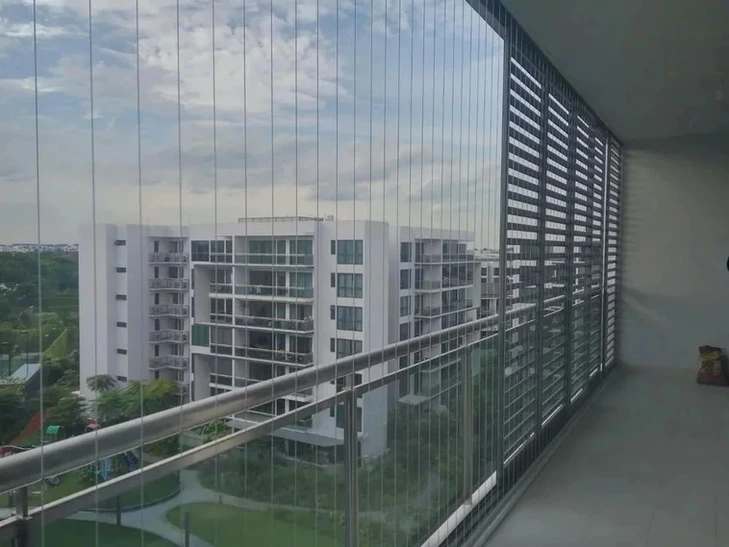
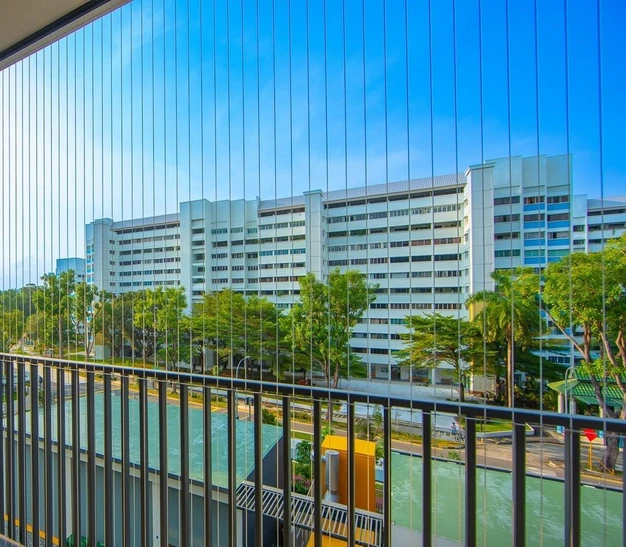
Unlike bulky iron railings that dominate a balcony’s view, the Invisible Safety Grill is installed flush against the surface. The result is an unobstructed sightline that lets you enjoy the skyline of Greater Noida while keeping children and pets safely inside.
Versatile Applications
Whether you need protection for a balcony, a stair railing, or a window frame, the grill can be customized to fit any opening. Kirkko offers three main configurations:
Openable Invisible Grills: Panels that can be lifted for cleaning or emergency access.
Fixed Invisible Grills: Permanent, rigid installations ideal for high‑traffic areas.
Structured Invisible Grills: Engineered for staircases and ramps, providing continuous safety without visual clutter.
Why Greater Noida Homeowners Choose Kirkko
Kirkko has built a reputation for delivering premium safety solutions across Delhi, Noida, Faridabad, and of course, Greater Noida. Here are the key reasons why residents trust the brand:
Quality That Lasts
All grills are fabricated from marine‑grade stainless steel, guaranteeing a lifespan that can endure the humid climate of Haryana. The nano‑coating further extends durability, ensuring the grill remains rust‑free for years.
Affordability Without Compromise
Despite the high‑tech materials, Kirkko’s pricing remains competitive. By streamlining the supply chain and leveraging local manufacturing, the company offers a cost‑effective solution that doesn’t sacrifice safety standards.
Professional Installation
Every project is handled by a qualified team that follows a strict safety protocol. From site assessment to final fitting, the installers ensure the grill is tensioned correctly and anchored securely, delivering a seamless finish.
Wide Coverage and After‑Sales Support
With a service network that spans major Indian metros—including Mumbai, Pune, Kolkata, and Bangalore—Kirkko provides prompt after‑sales assistance. Residents of Greater Noida can expect quick response times for any maintenance or warranty queries.
invisible grill in greater noida
Benefits of the Invisible Safety Grill for Your Home
Choosing an invisible safety system brings tangible advantages beyond mere protection:
Enhanced Aesthetics: The sleek design preserves the modern look of contemporary architecture.
Improved Ventilation: The open mesh allows air to circulate freely, keeping balconies cool during summer.
Child‑Friendly Environment: Small gaps are eliminated, preventing accidental slips or falls.
Pet Safety: Dogs and cats can enjoy the balcony without risk of escape.
Low Maintenance: The anti‑dust coating reduces the need for frequent cleaning.
Step‑by‑Step: How Kirkko Installs Your Invisible Safety Grill
Transparency is a core value at Kirkko. Here’s a quick overview of the installation journey for a typical balcony in Greater Noida:
Free Site Survey: A technician visits your home to measure dimensions, assess structural integrity, and discuss design preferences.
Custom Design Draft: Based on the survey, a CAD drawing is prepared, showing cable layout and attachment points.
Material Procurement: High‑grade stainless steel cables and nano‑coated fittings are sourced from trusted suppliers.
Installation: The team secures anchor points, stretches the cable mesh to the required tension, and trims excess material for a clean edge.
Quality Check & Handover: A final inspection confirms compliance with safety standards before the system is handed over to the homeowner.
Real‑World Feedback from Greater Noida Residents
Homeowners who have opted for Kirkko’s Invisible Safety Grill consistently praise its blend of safety and elegance. A few highlights:
“The grill looks like it’s part of the balcony, not an add‑on. My kids feel safe, and I love the view.” – Rohit, Sector 82
“Installation was quick, and the team left the area spotless. No rust after the monsoon season!” – Neha, DLF Phase II
“We needed a solution for our stairwell that didn’t clash with the modern interior. The structured grill fit perfectly.” – Arjun, Golf Course Road
Choosing the Right Configuration for Your Space
Not every balcony or staircase is the same, so selecting the appropriate grill type is essential. Consider these factors:
Frequency of Use: High‑traffic areas benefit from fixed grills, while occasional use spaces can adopt openable panels.
Design Preference: If you favor a minimalist look, the structured grill offers a clean line that blends with contemporary décor.
Maintenance Needs: Fixed grills require the least upkeep, whereas openable systems allow easy cleaning of the mesh.
Ready to Secure Your Home with Kirkko?
Greater Noida’s skyline is a source of pride—don’t let safety concerns dim the view. Kirkko’s Invisible Safety Grill In Greater Noida delivers the perfect balance of protection, durability, and visual elegance. Our expert team is ready to assess your property, provide a custom quote, and schedule a hassle‑free installation.
Contact Kirkko today to book a free site survey or to learn more about our invisible safety solutions. Call us at 8178254234, email skpestservices@gmail.com, or visit our office. Protect your family without compromising on style—choose Kirkko’s Invisible Safety Grill now.
FAQS
1. What is the cost of invisible grill in greater noida?
Pricing depends on wire gauge, balcony/window size, floor height, and number of openings — most Greater Noida homes fall in the ₹129–₹199 per sq.ft range, installed. We provide an exact, itemised quote after a free on-site visit rather than a flat number over the phone.
2. What is an invisible grill made of?
It’s a mesh of high-tensile steel cables, typically SS316 marine-grade stainless steel, tensioned individually and anchored with concealed brackets — different from a woven pigeon net and from a welded iron grill.
3. Is an invisible grill strong enough for child and pet safety?
Yes — a properly installed invisible grill is load-tested and rated to withstand real impact, unlike a pigeon net, which isn’t designed to bear weight.
4. How is an invisible grill different from a pigeon net?
A pigeon net is meant mainly to keep birds out and isn’t rated for safety load. An invisible grill is a tensioned cable system built to hold weight, so it serves a different purpose even though the two are sometimes confused.
5. Will it survive Greater Noida’s weather — humidity, heat, and monsoon?
SS316 marine-grade steel resists the corrosion that affects ordinary mild-steel or painted grills through Greater Noida’s humid monsoon months and high summer heat, so there’s no repainting cycle to maintain.
6. Does an invisible grill block the view or natural light?
No — that’s the main advantage over a traditional iron grill. The cables are thin enough to be nearly invisible from a few feet away, so the view and airflow stay largely unobstructed.
7. Can it be installed on high-rise towers common in Greater Noida’s sectors and DLF phases?
Yes — high floors are actually where invisible grills are most requested in Greater Noida, though higher floors can need reinforced anchoring due to wind load, which is assessed during the site visit.
8. Can our RWA or society book installation for the whole tower together?
Yes — many Greater Noida high-rises have visually identical balconies across floors, so societies often approve one design with the managing committee and then schedule installation floor by floor, which is usually more cost-effective per flat than individual bookings.
9. Do I need society or RWA approval before installing?
Most societies accept invisible grills as compliant with balcony safety norms since they don’t alter the building’s external facade. We can help with documentation if your RWA requires formal approval.
10. How long does installation take?
Typically 1–2 days per balcony or window, with the full process — from site visit to handover — usually completed in 7–10 business days.
11. Do I need to be home during installation?
Generally yes, at least for the initial site visit and final handover, though this depends on your building’s access rules.
12. How do I maintain an invisible grill?
Wipe with a soft cloth and mild detergent occasionally, and check bracket tension once or twice a year, especially after monsoon.
13. What if a cable gets damaged?
Individual cables can usually be re-tensioned or replaced without redoing the whole installation — an advantage over a welded iron grill, where damage often means patching a larger section.
14. What load capacity should I ask about?
Ask any installer for the tested load rating in kilograms, not just a general safety claim — it’s a fair question to ask before booking.
15. Is an invisible grill a one-time installation, or does it need replacement over time?
With SS316 steel and proper tensioning, it’s built as a long-term fixture rather than something needing periodic replacement — most wear shows up at connection points, which is why periodic bracket checks matter more than the cable material itself.
Upgrading Your Home with an Invisible Grill in Noida, Delhi ?
Invisible Grill in Noida, affectionately known as “Def Col” by locals, represents the pinnacle of South Delhi’s upscale residential lifestyle. With its lush green parks, expansive tree-lined avenues, and stunning modern builder floors, residents here invest heavily in interior and exterior aesthetics. However, modern living in multi-story apartments brings an inevitable challenge: ensuring absolute safety for children and pets without compromising the beautiful, unobstructed views of the neighborhood.
This is where the invisible grill in Noida steps in as a revolutionary architectural solution. If you are searching for the perfect balance of safety and elegance, installing an invisible grill in Noida is the ultimate upgrade for your property.
In this comprehensive guide, we will dive deep into why invisible grills are taking over South Delhi, the specific benefits for Noida residents, what our market research reveals about homeowner needs, and how Kirkko—a premium brand by Siya Killer Pest Control Pvt. Ltd.—delivers unmatched quality right from our nearby offices in Shahpur Jat and Hauz Khas.
What is an Invisible Grill?
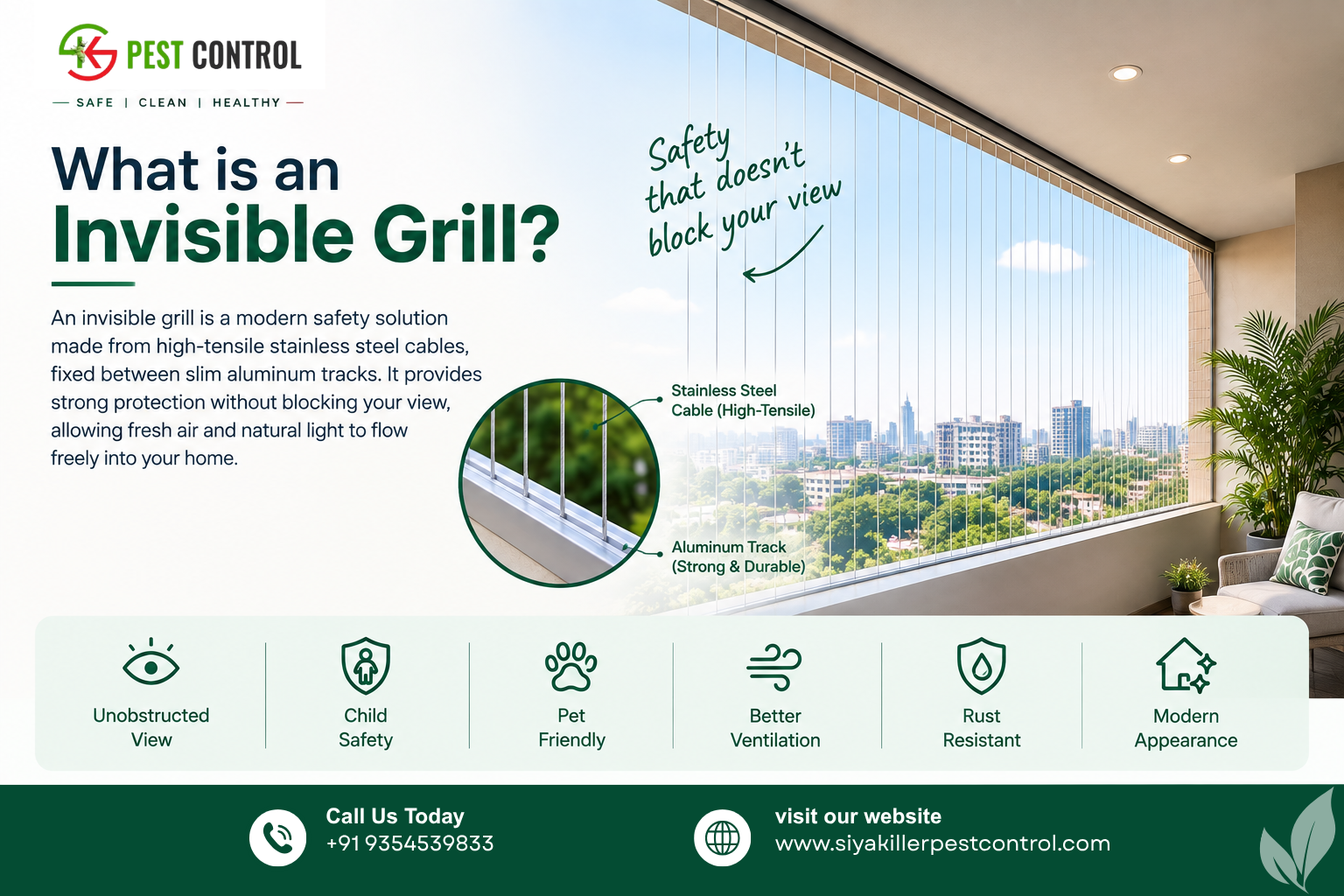
Before we explore the local demand, it is essential to understand the technology behind this innovation. An invisible grill is an advanced safety system composed of high-tensile stainless steel cables, typically coated with a protective nylon or nano-fluorocarbon layer. These cables are installed vertically or horizontally across balconies, windows, staircases, and open terraces.
When viewed from a distance of a few meters, these 2mm to 3mm thin cables virtually disappear against the backdrop of the sky or surrounding greenery, giving them the name “invisible grills.” Despite their delicate appearance, they boast incredible tensile strength, capable of withstanding hundreds of kilograms of impact pressure.
Why Invisible Grill? The Core Benefits
Why are traditional bulky iron or mild steel grills becoming a thing of the past? The shift toward invisible grills is driven by a combination of aesthetic, functional, and safety-related benefits. There are many incidents where people got badly injured by falling down from high raised building ,some of the cases are :
Delhi (February 2022): A tragic incident where a man and his 7-year-old daughter died after falling from a third-floor balcony with low railings. Read the report on The Print.
Mumbai (July 2026): One person died when a portion of a third-floor balcony collapsed during heavy rainfall in South Mumbai. Read the report on India Today.
Delhi (March 2022): Four people were injured after a balcony collapsed in the Anand Parbat area. Read the report on ANI News.
that’s why invisible grill in noida is become necessary for high raised building for their safety and protection some of the other benefits are :
1. Unobstructed, Panoramic Views
Traditional iron grilles create a “prison-like” feeling, blocking natural light and restricting your view of the outside world. Invisible grills allow 100% natural ventilation and light to flow into your living spaces. Whether you are looking out at the noida club, the local parks, or the bustling market, your view remains crystal clear.
2. Uncompromised Safety for Children and Pets
Safety is the primary driver for balcony grill installations. Toddlers and curious pets (cats and dogs) are naturally drawn to open balconies. Invisible grills are typically installed with a narrow 2-inch to 3-inch gap between the cables. This precise spacing ensures that a child cannot squeeze their head through, and pets cannot slip out, preventing tragic falls from high-rise floors.
3. High Tensile Strength and Durability
Do not let their sleek look fool you. Premium invisible grills made from marine-grade SS 316 stainless steel can bear extreme tension (often over 400 kg of impact force). They cannot be easily snapped, pushed apart, or broken by human force.
4. Zero Maintenance and Anti-Rust Properties
Delhi’s weather is notoriously harsh—baking heat in the summer, heavy monsoons, and foggy winters. Traditional grills require regular sanding, priming, and painting to fight rust. Invisible grills, especially those utilizing SS 316 grade steel with nylon coating, are entirely rust-proof, anti-corrosive, and require zero painting. A simple wipe with a damp cloth keeps them looking brand new.
Why is it Specifically Needed in Noida?
Noida is unique. Its architectural landscape, demographic profile, and environmental factors make invisible grill in noida not just a luxury, but an absolute necessity.
The Shift to Modern Builder Floors
Over the last decade, Noida has seen a massive transformation from single-family bungalows to stilt-plus-four luxury builder floors. With living spaces moving higher off the ground, balcony safety has become a paramount concern. These new floors feature expansive glass facades, French windows, and large wrap-around balconies. Installing thick, black iron grills on a modern glass facade instantly ruins the architect’s vision and the property’s curb appeal. Invisible grills maintain the sleek, modern aesthetic of these multi-crore homes.
The “Def Col” Greenery and The Monkey Menace
South Delhi is famous for its mature trees, and Noida is no exception. However, this beautiful canopy brings frequent visits from local monkey troops. Monkeys easily climb traditional grills, using the horizontal bars as ladders to access balconies, steal food, or damage potted plants. Invisible grills, installed vertically with high tension, offer no foothold for monkeys, acting as a highly effective, humane barrier against primate intrusions.
Pigeons and Avian Intruders
Alongside monkeys, pigeons are a constant nuisance in Delhi, bringing dirt, noise, and health hazards. While bird netting is a standard solution, invisible grills with a 2-inch gap serve a dual purpose: they provide structural safety for humans while simultaneously keeping large birds like pigeons out of your pristine balcony spaces.
Upscale Pet Ownership
Noida has a high concentration of pet owners. Expats and local residents alike frequently own high-pedigree dogs and cats. Feline owners, in particular, face the challenge of “High-Rise Syndrome,” where cats accidentally fall from balconies while chasing birds or insects. Invisible grills are the most aesthetically pleasing way to “cat-proof” a luxury apartment.
Market Research: What Noida Residents Are Really Looking For
To provide the best service, we conducted extensive market research among homeowners in South Delhi, specifically targeting Noida, Greater Kailash, and South Extension. Our goal was to understand the pain points residents experience when dealing with traditional grill fabricators and what they truly value in a modern safety solution.
1. Zero Tolerance for Clunky Aesthetics
Our research shows that 85% of luxury homeowners in the area reject traditional grills purely on an aesthetic basis. They spend heavily on interior designers and architects, and they want exterior fixtures that blend invisibly into the design. They are looking for “minimalist,” “sleek,” and “contemporary” profiles.
2. Demand for Premium, Certified Materials
Homeowners here are well-researched. They do not want cheap, galvanized mild steel that will rust after one monsoon. They actively look for SS 316 Marine Grade Stainless Steel. They want assurances regarding the thickness of the wire (preferring 2.5mm or 3.0mm over flimsy 2.0mm options) and demand to know the exact load-bearing capacity.
3. Professionalism, Punctuality, and Cleanliness
The biggest complaint against local welders and fabricators is a lack of professionalism. Noida residents value their time and the cleanliness of their homes. They want a vendor who arrives in uniform, uses precise drilling tools with dust-catchers to protect their Italian marble floors, completes the job on a strict timeline, and cleans up completely before leaving.
4. Transparent Pricing and No Hidden Costs
The market is saturated with vendors who quote a low price per square foot but add hidden charges for aluminum tracks, scaffolding, or corner fixtures. Residents want clear, upfront, all-inclusive quotations.
The “Kirkko” Unique Advantage
A deep dive into the local competitor landscape reveals a highly fragmented market. Many competitors offer low prices (ranging from ₹100 to ₹140 per sq. ft.) but compromise heavily on material quality, using lower-grade SS 304 or even mild steel, which will inevitably rust in Delhi’s climate. Furthermore, many competitors are based in far-off industrial areas like Noida, Ghaziabad, or outer Gurugram, leading to delayed service and poor post-installation support.
The Unique Topic: “The Micro-Tolerance Tension System”
While competitors focus purely on selling the wire, the true secret to a perfect invisible grill lies in the tensioning system. If the cables are not pulled to the exact correct tension, they will sag over time, ruining the aesthetic and compromising safety.
Here is where Kirkko stands completely apart:
Local Proximity for Lightning-Fast Service: Operated by Siya Killer Pest Control Pvt. Ltd., Kirkko’s offices are located just minutes away in Shahpur Jat and Hauz Khas. This means we can conduct site visits in noida within hours, not days. If you ever need maintenance, we are literally right around the corner.
True SS 316 Marine Grade: We refuse to use SS 304 for exterior applications. Our cables are strictly SS 316, coated with UV-resistant nylon to ensure they never rust, even when exposed to direct sunlight and heavy rain for decades.
Advanced Aluminum Track Systems: We use heavy-duty, powder-coated aluminum tracks with highly engineered stiffeners and nylon washers. This ensures that the wires remain perfectly taut, with a micro-tolerance tension system that prevents sagging even years down the line.
Integrated Pest & Safety Expertise: Because we also specialize in pest control and bird netting, we understand the specific gaps and tensions required to keep pests (like pigeons and monkeys) out, while keeping your loved ones safely in.
invisible grill in noida
The Kirkko Installation Process: What to Expect
When you book an installation with Kirkko for your noida residence, the process is smooth, professional, and entirely hassle-free.
Free Site Inspection & Consultation: Our local expert from Hauz Khas/Shahpur Jat visits your property. We take precise laser measurements of your balconies, staircases, or windows, and discuss your specific needs (e.g., child safety vs. pet safety, which determines if you need a 2-inch or 3-inch gap).
Transparent Quotation: You receive a detailed, no-obligation quote based on exact square footage, with zero hidden costs.
Track Fixing: On installation day, our trained technicians carefully drill and mount the heavy-duty aluminum tracks to your floor and ceiling (or walls). We take extreme care not to damage your existing tiles or paintwork.
Cable Threading and Tensioning: The SS 316 cables are threaded through the tracks. Using specialized tensioning tools, each wire is pulled to a high tensile strength to ensure rigidity.
Quality Check & Clean-up: We perform a load test, ensure all fixtures are locked tight, and completely clean the installation area before handing the balcony back to you.
Frequently Asked Questions (FAQs) About Invisible Grills
To help you make a fully informed decision, we have compiled the most extensive list of FAQs regarding invisible grills in noida.
1. What exactly is an invisible grill?
An invisible grill is a modern safety barrier made from high-tensile, ultra-thin stainless steel cables (usually 2mm to 3mm thick) mounted on sturdy aluminum tracks. Because the cables are so thin, they blend into the background, providing safety without obstructing your view or compromising the building’s aesthetics.
2. Are invisible grills safe for children and pets in high-rise balconies? Absolutely. In fact, child and pet safety is the primary reason they are installed. The cables are incredibly strong and are spaced closely together (usually 2 inches apart for homes with small pets or kids). A child cannot pass through, and the tension prevents the wires from being pulled apart.
3. How much does an invisible grill cost per square foot in Noida? Pricing depends on the quality of the materials used. While cheap variants exist, premium SS 316 marine-grade invisible grills typically range between ₹150 to ₹250 per square foot, fully installed. At Kirkko, we provide competitive pricing for top-tier materials with comprehensive warranties.
4. What is the exact difference between SS 304 and SS 316 grade cables? SS 304 is standard stainless steel, which is fine for indoors but can develop rust over time when exposed to Delhi’s pollution and monsoon rain. SS 316 is “marine grade” stainless steel, containing molybdenum, which makes it highly resistant to corrosion, rust, and harsh weather. Kirkko strictly recommends and uses SS 316 for all exterior installations.
5. Can invisible grills be cut with standard scissors or household pliers? No. High-tensile stainless steel cannot be cut with regular household scissors, knives, or standard pliers. It requires specialized, heavy-duty wire cutters to sever the cables, making them a reliable deterrent against accidental falls and casual break-ins.
6. Do invisible grills require regular maintenance or painting like iron grills? Zero maintenance is required. Unlike iron grills that need regular sanding, rust-treatments, and repainting every few years, invisible grills are rust-proof and coated with nylon. You simply need to wipe them down with a damp cloth during your regular home cleaning to remove atmospheric dust.
7. How much time does it take to install an invisible grill in a standard balcony?
For a standard-sized balcony, our professional Kirkko team can usually complete the installation within 4 to 6 hours. Larger properties or wrap-around balconies might take a full day. The process is quick, relatively quiet, and does not involve messy welding.
8. Are these grills permitted by RWA (Resident Welfare Associations) in Noida?
Yes. In fact, most RWAs in premium South Delhi localities prefer or mandate invisible grills over traditional iron grills. Because invisible grills do not alter the uniform exterior facade of the building, they easily pass RWA architectural guidelines.
9. Will the installation process damage my expensive balcony tiles or walls? Professional installation requires drilling into the floor, ceiling, or side walls to mount the aluminum tracks. At Kirkko, our technicians use specialized drill bits and masking techniques to prevent tile cracking. We treat your property with the utmost respect and ensure a pristine finish.
10. Can invisible grills protect my home from the local monkey menace? Yes, they are highly effective. Traditional grills have horizontal bars that act like a ladder for monkeys. Invisible grills are typically installed vertically and pulled to high tension. Monkeys cannot easily grab them, and they cannot climb them, keeping your balcony safe from primate intrusions.
11. What is the standard gap between the wires of an invisible grill? The industry standard allows for either a 2-inch, 3-inch, or 4-inch gap. For homes in Noida with children or pets (especially cats), we strongly recommend the 2-inch gap. For general safety in adult-only homes, a 3-inch or 4-inch gap is sufficient.
12. Are invisible grills weather-resistant against Delhi’s extreme heat and monsoon?
Yes. The SS 316 cables are unaffected by extreme temperature fluctuations. Furthermore, the cables are coated with a specialized UV-resistant nylon or PVC layer that prevents the core wire from heating up too much and protects it from the torrential monsoon rains.
13. Can invisible grills be installed on staircases and windows, or only on balconies?
They are highly versatile. While most commonly used for balconies, invisible grills are fantastic for open internal staircases, massive floor-to-ceiling French windows, open terraces, and even fencing around private swimming pools. They can be customized to fit almost any architectural shape.
14. Does the nylon coating on the wires peel off or yellow over time?
Cheap invisible grill in Noida often use low-grade PVC coating that can turn yellow and brittle under Delhi’s harsh UV rays. Kirkko utilizes premium, UV-stabilized nylon nano-coatings that retain their clear or black finish, ensuring they do not peel, crack, or discolor over the years.
Conclusion: Elevate Your Noida Home Today
Your home in Noida is a reflection of your taste, success, and lifestyle. You should not have to compromise the stunning views and modern architecture of your builder floor by installing outdated, bulky iron grills.
Invisible grill in noida offer the ultimate solution: peace of mind knowing your family and pets are safe, freedom from maintenance and rust, and the joy of a wide-open, unobstructed view of South Delhi’s beautiful skyline.
When you choose Kirkko, you are not just buying wire and aluminum; you are investing in premium SS 316 marine-grade engineering, micro-tolerance tensioning, and the unparalleled convenience of having your service provider located right next door in Hauz Khas and Shahpur Jat.
invisible grill in noida
Ready to upgrade your balcony? Do not wait for an accident to realize the importance of safety. Contact Kirkko (a brand by Siya Killer Pest Control Pvt. Ltd.) today for a free, no-obligation site inspection in Noida. Let our local experts help you perfectly blend safety with luxury.
Call us today or visit our offices in Shahpur Jat / Hauz Khas to secure your home in style!
Invisible Grill in Ghaziabad — A Complete Guide for Balcony & Window Safety
If you’re searching for an invisible grill in Ghaziabad, you’re probably dealing with one of a few things: a toddler or pet on a high floor, an RWA notice about balcony safety compliance, a pigeon problem, or a 15-year-old iron grill that keeps rusting no matter how often it’s repainted. This page walks through what an invisible grill actually is, why Ghaziabad’s specific conditions make it a better fit than iron grills or nets, what it costs, and what to check before you hire someone.
What Is an Invisible Grill, Exactly?
An invisible grill is a mesh of thin, high-tensile steel cables — typically SS316 marine-grade stainless steel — stretched vertically or horizontally across a balcony opening or window and anchored with concealed brackets top and bottom. Each cable is tensioned individually, so the mesh stays taut and doesn’t sag over time the way a loosely fitted net would. From a few feet away the cables all but disappear visually, which is where the name comes from — but up close, the spacing between cables (usually 2–4 inches) is tight enough to stop a child’s hand, a pet’s paw, a dropped phone, or a pigeon from getting through.
It’s a different product from a pigeon net (which is a woven nylon mesh, mainly for keeping birds out, not rated for child safety) and different from a traditional iron grill (which is a welded metal frame, visually heavy, and prone to rust). An invisible grill sits in between: it’s rated for real safety load, but doesn’t block your view or airflow the way iron bars do.
Why Ghaziabad’s Balconies Need a Different Approach Than the Rest of Delhi NCR
Ghaziabad isn’t a typical Delhi neighbourhood — it’s a planned sub-city built almost entirely as co-operative group housing, mostly seven- to eleven-storey lift towers put up in the early 2000s, with a handful of premium towers reaching 18 floors near the Airport Express corridor. That shapes what a balcony grill actually needs to hold up against here:
Flight-path sectors: Homes under the IGI Airport approach often keep balconies glazed for noise reduction. If your balcony is enclosed in glass, the grill needs to work inside that enclosure rather than on an open railing — worth mentioning when you book a site visit so the measurement accounts for it.
Monsoon humidity and occasional waterlogging: Low-lying pockets of Ghaziabad have seen monsoon flooding in recent years, and even in areas that don’t flood, Delhi’s humidity through the monsoon months accelerates corrosion on ordinary mild-steel or painted iron grills. This is the core reason to specify marine-grade steel rather than a cheaper alloy — the difference mostly shows up two or three monsoons in, once a cheaper grill starts rusting at the welds.
Winter dust and poor air quality: Delhi’s winter AQI regularly runs high, and that dust settles into every joint and weld of a painted grill, trapping moisture and speeding up rust from the inside out. A tensioned cable mesh has no paint to flake and far fewer places for grime to sit, so a periodic wipe-down is genuinely enough — it’s not just a marketing line, it’s a function of having fewer surfaces for dust to collect on.
CGHS tower uniformity: Because most Ghaziabad societies have dozens of visually identical balconies stacked floor over floor, RWAs generally prefer a single approved design across the tower rather than balcony-by-balcony variation. If you’re the first resident in your tower to ask, it’s worth raising with your managing committee early — one approval usually clears the way for the rest of the building.
Invisible Grill vs. Iron Grill vs. Pigeon Net — Which One Actually Fits Your Balcony?
This is the decision most Ghaziabad homeowners are actually making, so it’s worth laying out plainly rather than just listing invisible grill benefits in isolation.
Choose an iron grill if: you want the lowest upfront cost and don’t mind repainting every few years, or your society specifically mandates a visible grill design.
Choose a pigeon net if: your only concern is birds, not child or pet safety, and you’re not worried about load rating — nets aren’t designed to bear weight the way a tensioned cable mesh is.
Choose an invisible grill if: you want a safety barrier that’s actually rated to hold weight (unlike a net), you don’t want your view or natural light blocked (unlike an iron grill), your society or building rules restrict visible changes to the façade, or you’re tired of maintaining a rusting iron grill and want something closer to a one-time installation.
Most Ghaziabad enquiries we get fall into that last category — people replacing an ageing iron grill, not starting from scratch.
What Determines the Invisible Grill Price in Ghaziabad
Price isn’t just a flat per-square-foot number — several things move it:
Factor
How it affects price
Wire gauge (2mm / 2.5mm / 3mm)
Thicker cable costs more per sq.ft but is typically specified for larger spans, terraces, or higher floors with more wind load
Balcony/window size
Larger openings reduce the per-sq.ft rate slightly due to fixed setup/labour costs being spread over more area
Number of openings
Multiple balconies or windows on one visit usually costs less per unit than single, separate bookings
Floor height
Higher floors can need reinforced anchoring, which adds cost
Glazed vs. open balcony
Glazed enclosures may need a different bracket approach than an open railing
Curved or irregular railings
Custom-shaped railings take more fabrication time than a straight run
Indicative starting range in Ghaziabad: ₹119–₹199 per sq.ft, installed, depending on the above. We give an itemised quote — material, labour, and any structural add-ons broken out separately — after a free on-site visit, rather than a single flat number that won’t actually match your balcony’s shape.
What Makes Kirkko Different From Other Ghaziabad Installers
when you search for “invisible grill near me ” many companies shown on the page who serve the invisible grill market in Ghaziabad, but not all of them actually install the product themselves — several are lead-generation platforms that collect your enquiry and pass it on to a third-party installer they haven’t personally vetted, often without telling you that upfront.
Kirkko installs directly, with our own trained team, so the person who measures your balcony is accountable for the person who fits the mesh — there’s no handoff in between. We also don’t cut corners on material to hit a lower headline price: every installation uses SS316 marine-grade steel, not the cheaper alloys some installers substitute once you’ve already committed. And rather than quoting a flat per-square-foot number over the phone, we give an itemised quote — material, labour, and any structural extras broken out separately — only after a free, no-obligation site visit, so what you’re charged actually reflects your balcony’s size, shape, and floor height rather than a generic estimate.
How Installation Works, Step by Step
Enquiry — call, WhatsApp, or fill the form with your rough balcony/window size and sector.
Site visit — our team measures the actual opening, checks railing type or glazing, floor height, and any structural considerations.
Quote — itemised pricing based on the measurement, not a generic estimate.
Fabrication — the mesh is cut and prepped to your exact measurements.
Installation — cables are tensioned and anchored with concealed brackets, typically completed in 1–2 days per balcony/window with minimal noise or mess.
Load check & handover — every installation is checked for tension and anchor strength before we consider the job done.
Typical timeline: 7–10 business days from site visit to handover, though this can shift depending on how many openings you’re covering and current booking load.
Maintenance — What Actually Needs Doing
Wipe the cables with a soft cloth and mild detergent occasionally — no special cleaning product needed.
Check bracket tension once or twice a year, especially after the monsoon months, since humidity and temperature swings can very slightly affect tension over time.
No repainting, ever — SS316 doesn’t have a paint layer to chip or flake the way an iron grill’s coating does.
If a cable is ever damaged, individual cables can typically be re-tensioned or replaced rather than needing the whole mesh redone.
invisible grill in delhi
Frequently Asked Questions
What’s the invisible grill price in Ghaziabad? It depends on wire gauge, balcony size, floor height, and whether the balcony is glazed — most Ghaziabad homes fall in the ₹129–₹199 per sq.ft range installed. We give an exact number after a free site visit rather than quoting blind over the phone.
How is an invisible grill different from a pigeon net? A pigeon net is a woven nylon mesh mainly meant to keep birds out — it isn’t rated to bear real weight. An invisible grill is a tensioned steel cable system rated for child and pet safety, so it does a different job even though both are sometimes marketed under similar names.
Can our CGHS society book installation for the whole tower at once? Yes — this is actually one of the more common ways we work in Ghaziabad, given how many towers have identical balconies. One site visit and design approval from your managing committee, then a floor-by-floor installation schedule, usually works out more cost-effective per flat than individual bookings.
Will the grill hold up against Ghaziabad’s dust and monsoon humidity? That’s specifically why we use SS316 marine-grade steel rather than a cheaper alloy — it resists the corrosion that affects ordinary mild-steel or painted grills in Delhi’s climate, so there’s no repainting cycle to keep up with.
Does this work for glazed balconies, common in the flight-path sectors?[VERIFY answer] Yes — invisible grills can be fitted inside a glazed enclosure as well as on an open railing. Mention it when you book the site visit so the measurement accounts for the glass frame.
How soon can someone visit my flat in Ghaziabad? Most site visits in Ghaziabad are scheduled within a week of enquiry.
Do I need RWA or society approval before installing? Most Ghaziabad societies accept an invisible grill as compliant with balcony safety norms since it doesn’t alter the building’s external facade. If your RWA specifically requires documentation or a formal request, we can help put that together.
What happens if a cable gets damaged — do I need to replace the whole grill? No — individual cables can usually be re-tensioned or swapped out without redoing the entire installation, which is one advantage over a welded iron grill where damage often means patching or replacing a larger section.
Is there a load rating I should ask about? Yes, ask any installer for the tested load capacity in kilograms, not just a general “it’s strong” claim — this is a fair and reasonable question to ask before booking.
Get a Quote for Your Ghaziabad Balcony
Tell us your sector and rough balcony or window size — we’ll confirm a free site visit, usually within the same day.
Call or WhatsApp Kirkko to book your Ghaziabad site visit.
Add a discreet safety barrier to balconies and windows
while keeping the space open, bright and visually clean.
Explore the options and request a site visit for your space.
Minimal visual obstruction
Designed for balconies, windows and open spaces.
Understand the system
What is an Invisible Grill?
An invisible grill is a safety system that uses thin
vertical stainless-steel cables installed across an opening.
The slim profile helps maintain a more open visual appearance
compared with conventional heavy grill designs.
01
Open visual appearance
Helps preserve the feeling of an open balcony or window.
02
Balcony & window applications
Suitable configurations can be considered according
to the opening and installation conditions.
03
Site-specific installation
Final configuration depends on the actual site,
dimensions and fixing conditions.
Safety without making your space feel closed
Invisible grill systems are commonly considered where
a homeowner wants additional protection while maintaining
natural light, airflow and a less visually heavy appearance.
Because every balcony and window is different, proper
measurement and assessment of the installation area are
important before confirming the final system.
A practical option for homeowners looking for a cleaner,
less visually bulky safety solution.
◉
Less Visual Obstruction
Thin cables can maintain a more open visual connection
with the surroundings.
✓
Additional Safety Barrier
Creates a barrier across selected balcony or window openings.
☀
Natural Light
The open cable arrangement can help maintain natural
light entering the space.
↗
Airflow
The cable arrangement leaves the opening visually
and physically open.
⌂
Modern Appearance
A minimal installation can complement contemporary
residential architecture.
◌
Multiple Applications
Can be considered for balconies, windows and other
suitable openings.
Local installation
Invisible Grill for Delhi Homes
Delhi homes can have very different balcony layouts,
window sizes and installation conditions. A site assessment
helps determine the appropriate measurement, fixing arrangement
and installation approach for the actual opening.
Explore the common residential openings where an
invisible grill system can be considered.
Apartment Balconies
Thin vertical cables can be installed across suitable
balcony openings while keeping the view visually open.
Instant price estimate
Invisible Grill Price Calculator
Enter your location, select the service and choose how
you want to calculate the required area.
How would you like to measure?
sq ft
ft
ft
Estimated Charges
₹17,000
Minimum chargeable area applied
100 sq ft × ₹170/sq ft
Simple process
How Invisible Grill Installation Works
From your enquiry to final installation, the process begins
with understanding the actual site.
1
Share Requirement
Tell us your location, space type and approximate dimensions.
2
Site Measurement
The actual opening and installation conditions are assessed.
3
Configuration
Material, cable arrangement and fixing requirements are
discussed according to the site.
4
Installation
The selected system is installed according to the confirmed
site requirements.
Compare the approach
Invisible Grill vs Conventional Grill
The right option depends on the space, appearance,
requirements and installation conditions.
Feature
Invisible Grill
Conventional Grill
Visual appearance
Minimal / less visually bulky
More prominent framework
View
Designed to maintain a more open view
Framework can be more visually noticeable
Airflow
Open cable arrangement
Depends on grill design
Design
Minimalist appearance
Traditional metal-grill appearance
Installation
Requires suitable fixing conditions
Depends on grill structure and opening
Frequently asked questions
Invisible Grill FAQ
Common questions homeowners ask before requesting a site visit.
An invisible grill is a safety system using thin
cables installed across suitable balcony or window
openings. It is designed to provide a barrier while
maintaining a comparatively open visual appearance.
Balcony installation is one of the common applications.
However, the exact installation method depends on the
balcony structure, dimensions, access and fixing conditions.
The price calculator uses the selected service rate
and the chargeable area. A minimum chargeable area
can apply. The displayed amount is an estimate and
the final quotation should be confirmed after actual
site measurement and assessment.
Yes. Select "By length & height". The calculator
multiplies the entered length and height to determine
the chargeable area before applying the selected service rate.
No. The calculator provides an estimated charge.
Final pricing depends on actual site measurement,
access, fixing requirements and the confirmed installation
configuration.
Call 9354539833 to discuss your requirement and
arrange a site assessment.
Planning an Invisible Grill in Delhi?
Check the approximate price for your space or speak
directly with us about your balcony or window.
Upgrading Your Home with an InvisibleGrill in Gaur City, Greater Noida?
Invisible Grill in Gaur City serves one of the largest and fastest-growing high-rise townships in the NCR. Home to over 20 towers and tens of thousands of families, Gaur City 1 and Gaur City 2 represent Greater Noida West’s answer to modern vertical living — open skyline balconies, large glass facades, and towers that routinely cross 20+ floors. But that same height that makes Gaur City desirable also makes balcony safety a far more urgent concern here than in most parts of Delhi NCR.
This is where the invisible grill in Gaur City steps in as an essential safety upgrade — not a luxury add-on. If you’re searching for a way to protect your family without boxing in your view with a traditional iron grill, this guide covers everything you need to know.
In this comprehensive guide, we’ll cover why invisible grills are becoming a necessity across Gaur City’s towers, what makes this township’s safety needs different from the rest of NCR, what our research shows Gaur City residents actually want from an installer, and how Siya Killer Pest Control delivers on all of it with a team based right here in Greater Noida.
What is an Invisible Grill?
Before we explore the local demand, it is essential to understand the technology behind this innovation. An invisible grill is an advanced safety system composed of high-tensile stainless steel cables, typically coated with a protective nylon or nano-fluorocarbon layer. These cables are installed vertically or horizontally across balconies, windows, staircases, and open terraces.
When viewed from a distance of a few meters, these 2mm to 3mm thin cables virtually disappear against the backdrop of the sky or surrounding greenery, giving them the name “invisible grills.” Despite their delicate appearance, they boast incredible tensile strength, capable of withstanding hundreds of kilograms of impact pressure.
Why Invisible Grill? The Core Benefits
Traditional iron and mild steel grills are increasingly being replaced for a mix of safety, aesthetic, and practical reasons. This isn’t a hypothetical concern — Greater Noida West has seen exactly the kind of tragedy this product exists to prevent:
Gaur City-2, 7th Avenue (March 2026): A 3-year-old child died after falling from the 12th floor of a flat while briefly left alone at home. Read the report on Aaj Tak.
Noida Extension (2026): An 18-year-old student died after falling from her 18th-floor balcony while watering plants — a stark reminder that even routine balcony activity carries real risk at this height. Read the report on Deccan Herald.
Noida, Sector 100 (2023): A 21-year-old college student died after falling from the eighth floor of a high-rise society. Read the report on ETV Bharat.
That’s why invisible grill in Gaur City has become necessary for high-rise towers across the township. Some of the other core benefits:
1. Unobstructed, Panoramic Views
Iron grilles create a “caged” feeling and block natural light. Invisible grills allow full natural ventilation and light into your living space — whether you’re looking out over Gaur City’s central green belt, the club, or the Greater Noida West skyline, your view stays completely clear.
2. Uncompromised Safety for Children and Pets
Safety is the primary reason families install balcony grills, and it’s the single biggest concern for Gaur City’s large population of young families. Invisible grills are typically installed with a narrow 2-inch to 3-inch gap between cables — close enough that a child cannot squeeze through and pets cannot slip out.
3. High Tensile Strength and Durability
Don’t let the sleek look fool you. Premium invisible grills made from marine-grade SS 316 stainless steel can bear extreme tension — often over 400 kg of impact force — and cannot be easily snapped, pushed apart, or forced open.
4. Zero Maintenance and Anti-Rust Properties
Greater Noida West sees the same harsh weather swings as the rest of NCR — scorching summers, heavy monsoons, foggy winters. Traditional grills need regular sanding, priming, and repainting to fight rust. SS 316 invisible grills with nylon coating are entirely rust-proof and need nothing more than a damp cloth wipe.
Why Is It Specifically Needed in Gaur City?
Gaur City isn’t like the rest of NCR. Its scale, demographics, and building design make invisible grill in Gaur City less of a luxury and more of a baseline necessity.
The Scale of Vertical Living
Unlike South Delhi’s low-rise builder floors or older parts of NCR, Gaur City is built almost entirely of 20+ floor towers across both Gaur City 1 and Gaur City 2. With tens of thousands of families living well above the 10th floor, the margin for error on an open balcony is dramatically smaller than in most other parts of the region — a fall from these heights is rarely survivable, which is precisely what the incidents above illustrate.
A Township Built for Young Families
Gaur City has become one of Greater Noida’s most popular destinations for young couples and first-time homebuyers, which also means a very high concentration of toddlers and school-age children across its towers. Balconies here are frequently used as play corners, drying areas, or plant spaces — increasing daily exposure to risk simply through routine use.
The Pigeon Problem
Like most of Greater Noida West, Gaur City towers face constant pigeon activity — droppings, nesting debris, and noise are among the most common resident complaints raised with RWAs. Invisible grills with a 2 to 3-inch gap solve two problems at once: they act as a structural safety barrier for people while also keeping pigeons out, without the visual clutter of a full mesh net.
A Growing Pet-Owning Population
Gaur City’s younger demographic has brought a noticeable rise in pet ownership — dogs and cats are common across its towers. Cat owners in particular face “high-rise syndrome,” where a cat can accidentally fall while chasing a bird or insect near the balcony edge. Invisible grills are the least intrusive way to pet-proof a high-floor balcony without losing the view.
Market Research: What Gaur City Residents Are Really Looking For
To serve this market properly, we studied homeowner feedback and installation requests across Gaur City 1, Gaur City 2, and neighbouring Noida Extension societies. Here’s what came through consistently:
1. Safety Is Now a Non-Negotiable, Not an Afterthought
Following recent balcony-related incidents in the township, a noticeably higher share of residents are proactively asking about safety grills rather than waiting to be sold on them — particularly households with children under 10.
2. Skepticism Toward “Cheap” Wire
Gaur City buyers have grown sharper about material quality. Residents frequently ask specifically for SS 316 grade by name and want wire thickness confirmed in writing — a direct reaction to hearing about installations that rusted or sagged within a year or two.
3. Frustration With Unreliable Local Fabricators
The most common complaint against small local vendors is poor after-installation support — no response when a wire loosens, a track comes loose, or tensioning needs adjustment months later.
4. Demand for Transparent, All-Inclusive Quotes
The Gaur City market, like much of Greater Noida West, is saturated with vendors quoting a low per-sq-ft rate and then adding charges for tracks, corner fittings, or “difficult access” once work has begun. Residents increasingly want one number, upfront.
Competitor Research & The “Kirkko” Unique Advantage
A deep dive into the local competitor landscape reveals a highly fragmented market. Many competitors offer low prices (ranging from ₹100 to ₹140 per sq. ft.) but compromise heavily on material quality, using lower-grade SS 304 or even mild steel, which will inevitably rust in Delhi’s climate. Furthermore, many competitors are based in far-off industrial areas like Noida, Ghaziabad, or outer Gurugram, leading to delayed service and poor post-installation support.
The Unique Topic: “The Micro-Tolerance Tension System”
While competitors focus purely on selling the wire, the true secret to a perfect invisible grill lies in the tensioning system. If the cables are not pulled to the exact correct tension, they will sag over time, ruining the aesthetic and compromising safety.
Here is where Kirkko stands completely apart:
Local Proximity for Lightning-Fast Service: Operated by Siya Killer Pest Control Pvt. Ltd., Kirkko’s offices are located just minutes away in Shahpur Jat and Hauz Khas. This means we can conduct site visits in Defence Colony within hours, not days. If you ever need maintenance, we are literally right around the corner.
True SS 316 Marine Grade: We refuse to use SS 304 for exterior applications. Our cables are strictly SS 316, coated with UV-resistant nylon to ensure they never rust, even when exposed to direct sunlight and heavy rain for decades.
Advanced Aluminum Track Systems: We use heavy-duty, powder-coated aluminum tracks with highly engineered stiffeners and nylon washers. This ensures that the wires remain perfectly taut, with a micro-tolerance tension system that prevents sagging even years down the line.
Integrated Pest & Safety Expertise: Because we also specialize in pest control and bird netting, we understand the specific gaps and tensions required to keep pests (like pigeons and monkeys) out, while keeping your loved ones safely in.
The Kirkko Installation Process: What to Expect
When you book an installation with Kirkko for your Defence Colony residence, the process is smooth, professional, and entirely hassle-free.
Free Site Inspection & Consultation: Our local expert from Hauz Khas/Shahpur Jat visits your property. We take precise laser measurements of your balconies, staircases, or windows, and discuss your specific needs (e.g., child safety vs. pet safety, which determines if you need a 2-inch or 3-inch gap).
Transparent Quotation: You receive a detailed, no-obligation quote based on exact square footage, with zero hidden costs.
Track Fixing: On installation day, our trained technicians carefully drill and mount the heavy-duty aluminum tracks to your floor and ceiling (or walls). We take extreme care not to damage your existing tiles or paintwork.
Cable Threading and Tensioning: The SS 316 cables are threaded through the tracks. Using specialized tensioning tools, each wire is pulled to a high tensile strength to ensure rigidity.
Quality Check & Clean-up: We perform a load test, ensure all fixtures are locked tight, and completely clean the installation area before handing the balcony back to you.
Frequently Asked Questions (FAQs) About Invisible Grills in Gaur City
1. What exactly is an invisible grill?
A modern safety barrier made from thin, high-tensile stainless steel cables mounted on aluminium tracks. Because the cables are so thin, they blend into the background while still providing a real physical barrier against falls.
2. Are invisible grills safe for children and pets in Gaur City’s high-rise towers?
Yes — this is the primary reason they’re installed. Cables are typically spaced 2 inches apart for homes with young children or small pets, close enough that a child cannot pass through, with tension high enough that the wires can’t be pulled apart.
3. How much does an invisible grill cost per square foot in Gaur City?
Genuine SS 316 marine-grade installations typically range between ₹140 and ₹180 per sq. ft., fully installed. We provide exact pricing after a free site visit since it depends on total running footage.
4. What’s the difference between SS 304 and SS 316 grade cables?
SS 304 is standard stainless steel, fine indoors but prone to rusting over time when exposed to NCR’s pollution and monsoon rain. SS 316 is marine-grade steel containing molybdenum, making it highly resistant to corrosion — which is why we use it exclusively for exterior installations.
5. Can invisible grills be cut with regular scissors or pliers?
No. High-tensile stainless steel requires specialized heavy-duty wire cutters — it can’t be severed with household tools, making it a reliable barrier against both accidental falls and casual tampering.
6. Do invisible grills need regular maintenance or painting like iron grills?
No. Unlike iron grills that need periodic rust treatment and repainting, invisible grills are rust-proof and nylon-coated — a damp cloth wipe during routine cleaning is all that’s needed.
7. How long does installation take for a standard Gaur City balcony?
Most standard-sized balconies are completed within 4 to 6 hours. Larger or wrap-around balconies may take a full day. The process is quick and doesn’t involve welding or major mess.
8. Do Gaur City RWAs permit invisible grill installation?
Yes — most RWAs across Gaur City 1 and Gaur City 2 encourage it over traditional iron grills, since it doesn’t alter the building’s uniform external facade, which is typically a strict RWA requirement.
9. Will installation damage my balcony tiles or walls?
Installation involves drilling to mount the aluminium track, but we use specialized drill bits and masking techniques to prevent tile cracking, and we clean up thoroughly afterward.
10. Can invisible grills help with Gaur City’s pigeon problem?
Yes. The 2 to 3-inch cable spacing is tight enough to keep pigeons from entering the balcony, while still preserving full airflow and view — unlike a solid bird net.
11. What’s the standard gap between wires?
The industry standard is 2-inch, 3-inch, or 4-inch spacing. For Gaur City homes with children or cats, we recommend the 2-inch gap; for general safety in adult-only homes, 3-inch or 4-inch is sufficient.
12. Are invisible grills weather-resistant against NCR’s heat and monsoon?
Yes. SS 316 cables are unaffected by temperature swings, and the UV-resistant nylon coating protects the core wire from monsoon rain and prevents excessive heating in direct summer sun.
13. Can invisible grills be installed on staircases and windows, or only balconies?
They’re highly versatile — commonly used on balconies, but equally suited to open internal staircases, large French windows, and open terraces across Gaur City’s tower designs.
14. Does the nylon coating peel or yellow over time?
Cheap invisible grill installations often use low-grade PVC coating that yellows and turns brittle under UV exposure. We use premium UV-stabilized nylon coatings that hold their finish for years without cracking or discolouring.
Conclusion: Elevate Your Gaur City Home’s Safety Today
Your family’s safety shouldn’t be a trade-off against the view and light that drew you to a high-floor Gaur City flat in the first place. The incidents this township has already seen are a reminder that this isn’t a decision worth postponing.
Invisible grill in Gaur City offers exactly that balance — real fall protection, zero maintenance, and an unobstructed view of Greater Noida West’s skyline.
When you choose Siya Killer Pest Control, you’re getting genuine SS 316 marine-grade engineering, proper tensioning, and a team based right here in Greater Noida — not a vendor who disappears after installation.
Ready to secure your balcony? Contact us today for a free, no-obligation site inspection anywhere in Gaur City.
📞 Call 9354539833 to book your free site visit.
Ready to upgrade your balcony? Do not wait for an accident to realize the importance of safety. Contact Kirkko today for a free, no-obligation site inspection in Gaur City. Let our local experts help you perfectly blend safety with luxury.
Call us today or visit our offices in Shahpur Jat / Hauz Khas to secure your home in style!
Upgrading Your Home with an Invisible Grill in Ghaziabad
Ghaziabad has rapidly transformed into a premier residential hub within the Delhi NCR. With towering high-rise societies in Indirapuram, Vaishali, and Raj Nagar Extension, residents invest heavily in modern home interiors and expansive balconies. However, high-rise living brings an inevitable challenge: ensuring absolute safety for children and pets without compromising the beautiful, unobstructed views of the city skyline.
This is where the invisible grill steps in as a revolutionary architectural solution. If you are searching for the perfect balance of safety and elegance, installing an invisible grill in Ghaziabad is the ultimate upgrade for your apartment or villa.
In this comprehensive guide, we dive deep into why invisible grills are becoming essential for NCR residents, the specific benefits for Ghaziabad homeowners, what our market research reveals about your needs, and how Kirkko—a premium brand by Siya Killer Pest Control Pvt. Ltd.—delivers unmatched quality to your doorstep.
What is an Invisible Grill?
Before exploring the local demand, it is essential to understand the technology behind this innovation. An invisible grill is an advanced safety system composed of high-tensile stainless steel cables, typically coated with a protective UV-resistant nylon or nano-fluorocarbon layer. These cables are installed vertically or horizontally across balconies, windows, staircases, and open terraces.
When viewed from a distance of a few meters, these 2mm to 3mm thin cables virtually disappear against the backdrop of the sky, giving them the name “invisible grills.” Despite their delicate appearance, they boast incredible tensile strength, capable of withstanding hundreds of kilograms of impact pressure.
Why Invisible Grill? The Core Benefits
Traditional bulky iron or mild steel grills are rapidly becoming a thing of the past. The shift toward invisible grills is driven by a combination of aesthetic, functional, and critical safety-related benefits. There are many tragic incidents where people have been badly injured or lost their lives falling from high-rise buildings:
Delhi (February 2022): A tragic incident where a man and his 7-year-old daughter died after falling from a third-floor balcony with low railings.
Mumbai (July 2026): One person died when a portion of a third-floor balcony collapsed during heavy rainfall in South Mumbai.
Delhi (March 2022): Four people were injured after a balcony collapsed in the Anand Parbat area.
These incidents highlight why installing an invisible grill in Ghaziabad is not just a luxury, but a structural necessity for high-rise apartments. Beyond vital fall protection, the system offers several distinct advantages:
1. Unobstructed, Panoramic Views
Traditional iron grilles create a “prison-like” feeling, blocking natural light and restricting your view of the outside world. Invisible grills allow 100% natural ventilation and sunlight to flow into your living spaces. Whether you are looking out over the Hindon river, city parks, or the bustling Ghaziabad skyline, your view remains crystal clear.
2. Uncompromised Safety for Children and Pets
Safety is the primary driver for balcony grill installations. Toddlers and curious pets (cats and dogs) are naturally drawn to open balconies. Invisible grills are typically installed with a narrow 2-inch to 3-inch gap between the cables. This precise spacing ensures that a child cannot squeeze their head through, and pets cannot slip out, preventing tragic falls from 10th, 15th, or 20th-floor apartments.
3. High Tensile Strength and Durability
Do not let their sleek look fool you. Premium invisible grills made from marine-grade SS 316 stainless steel can bear extreme tension (often over 400 kg of impact force). They cannot be easily snapped, pushed apart, or broken by human force.
4. Zero Maintenance and Anti-Rust Properties
The weather in the NCR is notoriously harsh—baking heat in the summer, heavy monsoons, and foggy winters. Traditional grills require regular sanding, priming, and painting to fight rust. Invisible grills, especially those utilizing SS 316 grade steel with nylon coating, are entirely rust-proof, anti-corrosive, and require zero painting. A simple wipe with a damp cloth keeps them looking brand new.
Why is it Specifically Needed in Ghaziabad?
Ghaziabad is unique. Its rapid urbanization, shift to vertical living, and environmental factors make an invisible grill an absolute necessity.
The Rise of Towering High-Rise Societies
Over the last decade, Ghaziabad has seen a massive boom in multi-story group housing societies, particularly in Indirapuram, Crossings Republik, and Raj Nagar Extension. With living spaces moving hundreds of feet off the ground, balcony safety is a paramount concern. These modern flats feature expansive glass sliding doors and large wrap-around balconies. Installing thick, black iron grills on a modern facade instantly ruins the property’s curb appeal. Invisible grills maintain the sleek, contemporary aesthetic of these premium homes.
Pigeons and Avian Intruders
Pigeons are a constant nuisance in Ghaziabad, bringing dirt, noise, and severe health hazards to high-rise balconies. While bird netting is a standard solution for utility shafts, invisible grills with a 2-inch gap serve a dual purpose for main living areas: they provide structural safety for humans while simultaneously keeping large birds like pigeons completely out of your pristine balcony spaces.
The Local Monkey Menace
Certain green belts and older sectors in Ghaziabad still experience frequent visits from local monkey troops. Monkeys easily climb traditional grills, using horizontal bars as ladders to access balconies and steal food. Invisible grills, installed vertically with high tension, offer absolutely no foothold for monkeys, acting as a highly effective barrier against primate intrusions.
Upscale Pet Ownership
Ghaziabad has a high concentration of pet owners living in apartments. Feline owners, in particular, face the terrifying challenge of “High-Rise Syndrome,” where cats accidentally fall from balconies while chasing birds or insects. Invisible grills are the most aesthetically pleasing, secure way to “cat-proof” a modern apartment.
Market Research: What Ghaziabad Residents Are Really Looking For
To provide the best service, we conducted extensive market research among homeowners in Indirapuram, Vaishali, and Raj Nagar Extension. Our goal was to understand the pain points residents experience when dealing with traditional local fabricators.
1. Zero Tolerance for Clunky Aesthetics
Our research shows that the vast majority of luxury homeowners reject traditional grills purely on an aesthetic basis. They spend heavily on interior designers and modular setups, and they want exterior fixtures that blend invisibly into the design. They are looking for minimalist and sleek profiles.
2. Demand for Premium, Certified Materials
Homeowners here are well-researched. They do not want cheap, galvanized mild steel that will rust after one monsoon. They actively look for SS 316 Marine Grade Stainless Steel. They want assurances regarding the thickness of the wire (preferring 2.5mm or 3.0mm over flimsy 2.0mm options) and demand to know the exact load-bearing capacity.
3. Professionalism, Punctuality, and Cleanliness
The biggest complaint against local welders is a lack of professionalism. Ghaziabad residents value their time and the cleanliness of their homes. They want a corporate vendor who arrives in uniform, uses precise drilling tools with dust-catchers to protect their floor tiles, completes the job on a strict timeline, and cleans up completely before leaving.
4. Transparent Pricing and No Hidden Costs
The local market is saturated with unverified vendors who quote a low price per square foot but add hidden charges for aluminum tracks, scaffolding, or corner fixtures on installation day. Residents want clear, upfront, all-inclusive quotations.
Competitor Research & The “Kirkko” Unique Advantage
A deep dive into the local competitor landscape reveals a highly fragmented market. Many local vendors offer suspiciously low prices (ranging from ₹100 to ₹140 per sq. ft.) but compromise heavily on material quality, using lower-grade SS 304 or even mild steel, which will inevitably rust in the NCR’s climate. Furthermore, many competitors are unorganized, leading to delayed service and poor post-installation support.
The Unique Topic: “The Micro-Tolerance Tension System”
While competitors focus purely on selling the wire, the true secret to a perfect invisible grill lies in the tensioning system. If the cables are not pulled to the exact correct tension, they will sag over time, ruining the aesthetic and compromising safety.
Dedicated NCR Service Hubs: Operated by Siya Killer Pest Control Pvt. Ltd., Kirkko manages installations across the NCR from our central offices in Shahpur Jat and Hauz Khas. We have dedicated teams servicing Ghaziabad daily, meaning we conduct site visits within hours, not days.
True SS 316 Marine Grade: We categorically refuse to use SS 304 for exterior applications. Our cables are strictly SS 316, coated with UV-resistant nylon to ensure they never rust, even when exposed to direct sunlight and heavy rain for decades.
Advanced Aluminum Track Systems: We use heavy-duty, powder-coated aluminum tracks with highly engineered stiffeners and nylon washers. This ensures that the wires remain perfectly taut, utilizing a micro-tolerance tension system that prevents sagging even years down the line.
Integrated Pest & Safety Expertise: Because we also specialize in structural pest control, mold remediation, and pleated mesh screens, we understand the holistic needs of a modern home. We know the specific gaps and tensions required to keep pests out, while keeping your loved ones safely in.
The Kirkko Installation Process: What to Expect
When you book an installation with Kirkko for your Ghaziabad residence, the process is smooth, professional, and entirely hassle-free.
Free Site Inspection & Consultation: Our technical expert visits your property. We take precise laser measurements of your balconies, staircases, or windows, and discuss your specific needs (e.g., child safety vs. pet safety, which determines if you need a 2-inch or 3-inch gap).
Transparent Quotation: You receive a detailed, no-obligation quote based on exact square footage, with zero hidden costs.
Track Fixing: On installation day, our trained technicians carefully drill and mount the heavy-duty aluminum tracks to your floor and ceiling (or walls). We take extreme care not to damage your existing tiles or paintwork.
Cable Threading and Tensioning: The SS 316 cables are threaded through the tracks. Using specialized tensioning tools, each wire is pulled to a high tensile strength to ensure rigidity.
Quality Check & Clean-up: We perform a rigorous load test, ensure all fixtures are locked tight, and completely clean the installation area before handing the pristine balcony back to you.
invisible grill near me
invisible grill in vasant kunj
Frequently Asked Questions (FAQs) About Invisible Grills
To help you make a fully informed decision, we have compiled the most extensive list of FAQs regarding invisible grills in Ghaziabad.
1. What exactly is an invisible grill? An invisible grill is a modern safety barrier made from high-tensile, ultra-thin stainless steel cables (usually 2.5mm to 3mm thick) mounted on sturdy aluminum tracks. Because the cables are so thin, they blend into the background, providing safety without obstructing your view or compromising the building’s aesthetics.
2. Are invisible grills safe for children and pets in high-rise balconies? Absolutely. Child and pet safety is the primary reason they are installed. The cables are incredibly strong and are spaced closely together (usually 2 inches apart for homes with small pets or kids). A child cannot pass through, and the tension prevents the wires from being pulled apart.
3. How much does an invisible grill cost per square foot in Ghaziabad? Pricing depends heavily on the quality of the materials used. While cheap local variants exist, premium SS 316 marine-grade invisible grills typically range between ₹150 to ₹250 per square foot, fully installed. At Kirkko, we provide highly competitive pricing for top-tier materials with comprehensive warranties.
4. What is the exact difference between SS 304 and SS 316 grade cables? SS 304 is standard stainless steel, which can develop rust over time when exposed to the NCR’s pollution and monsoon rain. SS 316 is “marine grade” stainless steel, containing molybdenum, making it highly resistant to corrosion, rust, and harsh weather. Kirkko strictly recommends and uses SS 316 for all exterior installations.
5. Can invisible grills be cut with standard scissors or household pliers? No. High-tensile stainless steel wire ropes cannot be cut with regular household scissors, kitchen knives, or standard pliers. It requires specialized, heavy-duty industrial wire cutters to sever the cables, making them a reliable deterrent against accidental falls.
6. Do invisible grills require regular maintenance or painting like iron grills? Zero maintenance is required. Unlike iron grills that need regular sanding, toxic rust-treatments, and repainting, invisible grills are rust-proof and coated with nylon. You simply wipe them down with a damp cloth during your regular home cleaning routine.
7. How much time does it take to install an invisible grill in a standard balcony? For a standard-sized balcony in a Ghaziabad apartment, our professional Kirkko team usually completes the installation within 4 to 6 hours. Larger properties or wrap-around balconies might take a full day. The process is quick, relatively quiet, and does not involve messy on-site welding.
8. Are these grills permitted by AOAs/RWAs in Ghaziabad societies? Yes. In fact, most Apartment Owners Associations (AOAs) in premium Ghaziabad societies prefer or even mandate invisible grills over traditional iron grills. Because invisible grills do not alter the uniform exterior facade of the building, they easily pass strict society architectural guidelines.
9. Will the installation process damage my expensive balcony tiles or walls? Professional installation requires drilling into the floor, ceiling, or side walls to securely mount the aluminum tracks. At Kirkko, our expert technicians use specialized masonry drill bits and masking techniques to prevent tile cracking. We treat your property with the utmost respect.
10. Can invisible grills protect my home from the local monkey menace? Yes, they are exceptionally effective. Traditional grills have horizontal bars that act exactly like a ladder for monkeys. Invisible grills are installed vertically and pulled to high tension. Monkeys cannot easily grab them, and they cannot climb them, keeping your balcony safe.
11. What is the standard gap between the wires of an invisible grill? The industry standard allows for either a 2-inch, 3-inch, or 4-inch gap. For homes in Ghaziabad with children or pets (especially cats prone to high-rise syndrome), we strongly recommend the 2-inch gap. For general safety in adult-only homes, a 3-inch or 4-inch gap is visually lighter and highly effective.
12. Are invisible grills weather-resistant against extreme heat and monsoon? Yes. The SS 316 cables are physically unaffected by extreme temperature fluctuations. Furthermore, the cables are coated with a specialized UV-resistant nylon or PVC layer that prevents the core wire from heating up too much and protects it completely from torrential rains.
13. Can invisible grills be installed on staircases and windows, or only on balconies? They are highly versatile architectural elements. While most commonly used for balconies, invisible grills are fantastic for securing open internal staircases, massive floor-to-ceiling French windows, open terraces, and even acting as safety fencing around private spaces.
14. Does the nylon coating on the wires peel off or yellow over time? Cheap invisible grills often use low-grade PVC coating that can turn yellow, brittle, and eventually crack under harsh UV rays. Kirkko utilizes premium, UV-stabilized nylon nano-coatings that retain their clear or solid black finish, ensuring they do not peel, crack, or discolor even after years of direct sun exposure.
Your home in Ghaziabad is a reflection of your lifestyle and success. You should not have to compromise the stunning views from your high-rise apartment by installing outdated, bulky, and rust-prone iron grills. Invisible grills offer the ultimate 21st-century architectural solution: total peace of mind knowing your family and pets are safe, freedom from tedious maintenance, and the daily joy of a wide-open, unobstructed view of the city.
stop searching for “invisible grill near me” and choose Kirkko, because you are not just buying wire and aluminum; you are investing in premium SS 316 marine-grade engineering, precise micro-tolerance tensioning, and the unparalleled convenience of a dedicated service provider. Do not wait for an accident to realize the importance of safety. Contact Kirkko (a brand by Siya Killer Pest Control Pvt. Ltd.) today for a free, no-obligation site inspection in Ghaziabad, and let our experts help you perfectly blend absolute safety with uncompromising luxury.
Termite Piping System in Noida: Future-Proofing Your Property
anti termite piping system in noida
Noida has established itself as one of the fastest-growing and most meticulously planned real estate destinations in the National Capital Region (NCR). From the ultra-luxury villas in Sector 150 to the sprawling commercial IT parks along the Noida-Greater Noida Expressway, the architectural landscape is evolving rapidly. Homeowners and commercial developers are investing heavily in premium interiors, including imported wooden flooring, bespoke modular kitchens, intricate wooden panelling, and expensive imported furniture. However, beneath the concrete and luxury lies a relentless, silent threat that thrives in the specific soil and climatic conditions of the region: subterranean termites.
For decades, the standard approach to termite control in India was reactive. Property owners would wait until a termite swarm occurred or until visible damage appeared on their expensive woodwork. The solution was the traditional “drill-fill-seal” method, which involved drilling unsightly holes into pristine Italian marble or wooden floors, injecting harsh chemicals, and patching the holes. Today, modern architecture demands a modern, proactive solution.
Integrating a termite piping system in Noida during the pre-construction or renovation phase is the most advanced, permanent, and aesthetically pleasing method to protect your property from white ants. This comprehensive, 2700+ word guide delves deep into everything you need to know about termite reticulation systems, the science behind the technology, the installation process, the comparative ROI, and why it is an absolute necessity for modern properties in Noida.
Understanding the Enemy: Why Noida is a Termite Hotspot ?
To appreciate the necessity of a termite piping system in Noida, one must first understand the biology of subterranean termites and why the geography of the NCR is particularly conducive to their colonies.
The Geography and Soil Conditions
Noida (New Okhla Industrial Development Authority) is situated in the Yamuna River basin. The soil here is predominantly alluvial—rich, loamy, and highly capable of retaining moisture. While this is excellent for the lush green belts and landscaped gardens that define Noida’s sectors, it creates the perfect breeding ground for subterranean termites. These insects require a constant source of moisture to survive, and the damp soil beneath building foundations serves as an ideal habitat for colonies that can number in the millions.
The Biology of Subterranean Termites
Unlike drywood termites that live directly inside the wood they consume, subterranean termites build massive underground colonies. A single colony is governed by a queen that can live for over a decade and lay thousands of eggs daily. The colony is sustained by “worker” termites. These blind, relentless foragers travel outward from the colony in search of cellulose—the primary structural component of wood, paper, and drywall.
Workers construct “mud tubes” to protect themselves from open air and sunlight as they travel from the soil to your home’s wooden structures. They are incredibly persistent and can squeeze through cracks in concrete foundations as thin as 1/32 of an inch. Expansion joints, plumbing penetrations, and micro-fractures in the slab are all viable entry points.
The Financial Devastation
Termites are often referred to as “silent destroyers” because they consume wood from the inside out. A wooden door frame or a modular kitchen cabinet may look perfectly intact on the surface, while the interior is completely hollowed out. By the time the damage becomes visible—often presenting as blistered paint, hollow-sounding wood, or discarded wings from a swarm—the structural integrity is already compromised. In luxury homes in Noida, a severe termite infestation can cause lakhs of rupees in damage in a matter of months, completely ruining expensive interior investments.
What is a Termite Piping System?
Often referred to as a “Pipe Reticulation System” or an “Anti-Termite Tubing System,” a termite piping system is a revolutionary, replenishable chemical delivery network installed beneath a building’s foundation or flooring before the final construction phases are completed.
The core philosophy behind this system is to create a continuous, unbroken chemical barrier between the soil and the building structure, preventing subterranean termites from ever reaching the concrete slab. More importantly, it is designed to be easily maintained and recharged over the lifespan of the building without ever requiring technicians to enter the living spaces or drill into the floors.
Core Components of the System
Porous Reticulation Pipes: The heart of the system is a network of specialized, flexible pipes, typically 16mm to 20mm in diameter, made from highly durable LLDPE (Linear Low-Density Polyethylene) or specialized PVC. These are not standard plumbing pipes; they are engineered with micro-drip slits or pressure-compensating emitters spaced at precise intervals (usually every 30 cm). These emitters are designed to release liquid termiticide slowly and uniformly into the surrounding soil.
Junction Boxes (Access Points): The underground pipe network is routed to the exterior perimeter of the building and connected to discreet, secure junction boxes mounted on the outer walls. These boxes contain the inlet valves where technicians will later connect their high-pressure pumps to inject the chemical.
Fittings, Connectors, and End Caps: High-quality brass or industrial-grade plastic T-joints, elbow joints, and end caps are used to construct the grid. The integrity of these joints is critical to ensure the chemical does not leak prematurely and reaches the furthest points of the network.
The Chemical Termiticide: The system relies on advanced, non-repellent liquid termiticides (such as Imidacloprid, Fipronil, or Bifenthrin) that are approved by the World Health Organization (WHO) and the Central Insecticides Board (CIB) of India.
The Science of Reticulation: How the System Works
When the construction of the building reaches the plinth level (just before the floor concrete is poured), the piping network is laid down in a calculated grid pattern. The pipes are placed along the inner perimeter of the foundation walls, in a grid across the floor area, and heavily concentrated around critical vulnerability points like bathroom drainage pipes, electrical conduits, and kitchen plumbing shafts.
Once the flooring is completed and the house is ready, the system undergoes its first “charge.” A trained pest control technician opens the exterior junction box, connects an industrial pump, and injects a precisely calculated volume of termiticide mixed with water into the network.
As the pump pressurizes the system, the chemical travels through the LLDPE pipes. The pressure-compensating emitters ensure that the liquid is pushed out evenly across the entire length of the pipe, rather than just pooling near the injection point. The chemical seeps into the soil and binds with the earth, creating an invisible, toxic shield beneath the house.
Because liquid termiticides naturally degrade over time due to soil moisture, microbial action, and pH levels, the chemical barrier usually lasts between 3 to 5 years. When it is time to renew the barrier, the process is incredibly simple. There is no drilling, no shifting of furniture, and no messy sprays inside the house. The technician simply returns to the exterior junction box, reconnects the pump, and injects a fresh batch of chemical, instantly restoring the protective shield for another few years.
Traditional Treatment vs. Termite Piping Systems in Noida
To truly understand why developers and homeowners in Noida are aggressively adopting this technology, we must conduct a deep-dive comparison between the traditional post-construction treatment (the Drill-Fill-Seal method) and the modern Termite Piping System.
1. Aesthetic Preservation
Traditional Method: If termites invade an existing home, pest control technicians must drill 12mm holes every 1 foot along the junction of the floor and the walls. For a 3000 sq. ft. villa, this means drilling hundreds of holes through imported marble, granite, or wooden flooring. After injecting the chemical, the holes are sealed with white cement or wax, leaving permanent, ugly scars on your expensive floors.
Piping System: The entire network is completely subterranean. The only visible components are small, neat junction boxes located on the exterior of the house, often hidden behind landscaping. Your interior aesthetics remain 100% untouched for the lifetime of the property.
2. Efficacy and Coverage of the Chemical Barrier
Traditional Method: Drilling holes every 12 inches creates localized “pools” of chemicals beneath the floor. Depending on the soil compaction and debris beneath the slab, the chemical may not spread evenly between the holes. This leaves microscopic gaps in the barrier—gaps that worker termites will eventually find and exploit.
Piping System: The porous pipes provide a continuous, 360-degree distribution of the chemical. The emitters ensure a uniform saturation of the soil, creating a flawless, gap-free barrier that termites cannot penetrate.
3. Disruption to Daily Life
Traditional Method: Re-treating a home requires a massive logistical effort. You must empty cabinets, move heavy furniture away from the walls, cover your belongings to protect them from drilling dust, and endure the strong odor of chemicals inside your living spaces for days. It is a highly disruptive and stressful process.
Piping System: Re-charging the system is completely non-intrusive. The technician arrives, opens the exterior box, pumps the chemical, and leaves. You do not even need to be home. Your children and pets remain inside, completely undisturbed, and there is absolutely no chemical odor inside the house.
4. Health and Environmental Safety
Traditional Method: Pumping hundreds of liters of pesticide inside the house carries inherent risks of indoor air pollution. Lingering fumes can cause discomfort, and accidental spills during the drilling process can be hazardous to pets and small children.
Piping System: The termiticide is delivered exclusively underground, beneath a thick concrete slab. There is zero exposure to the inhabitants of the house, making it the safest possible method for residential termite management.
5. Long-Term Financial ROI
Traditional Method: While the initial cost of a post-construction drill treatment might seem lower, the long-term costs are astronomical. You face the recurring cost of repairing termite-damaged wood, the cost of replacing ruined floor tiles, and the labor costs of repeated drill treatments every few years.
Piping System: The upfront cost of installing the piping during construction is slightly higher, but the maintenance cost is negligible. You only pay for the cost of the chemical during the refill process every 3-5 years. The system drastically increases the resale value of the property and acts as a cheap insurance policy for your multi-lakh interior investments.
Step-by-Step Installation Process: Engineering the Perfect Barrier
Installing a termite piping system in Noida requires precise engineering and a deep understanding of construction phases. It cannot be done as an afterthought; it must be integrated seamlessly into the building process. Here is how our expert technicians execute the installation:
Phase 1: Site Inspection and Network Architecture
Before the flooring phase begins, our technical team visits the construction site. We analyze the architectural blueprints to identify load-bearing walls, expansion joints, plinth beams, and critical utility penetrations. Based on this, we design a custom piping grid that ensures maximum chemical coverage while avoiding interference with future plumbing or electrical work.
Phase 2: Surface Preparation
The soil or sand bed within the plinth is leveled and compacted. It is crucial that the surface is clear of large sharp stones or construction debris (like discarded wood or cardboard), as these not only attract termites but can also puncture the pipes during the concrete pouring phase.
Phase 3: Laying the Reticulation Network
The 16mm porous pipes are carefully rolled out according to the blueprint. The pipes are laid alongside the inner walls, forming a continuous loop. For large rooms, an additional grid pattern is laid across the center of the floor. The pipes are strategically wrapped around major plumbing shafts, as termites frequently use the moisture around drainage pipes as a highway into the house.
Phase 4: Securing and Clamping
To ensure the pipes do not float up or shift out of position when the heavy concrete slab is poured, they are securely pinned to the ground using heavy-duty hooks or U-clamps at regular intervals of 1 to 2 feet.
Phase 5: Routing to the Exterior Junctions
The ends of the pipe network are routed through the exterior walls using protective PVC sleeves to prevent crushing. These ends are connected to the main inlet valves housed within a lockable, weather-proof junction box mounted on the outer wall of the building.
Phase 6: Pressure Testing
Before the builder is given the green light to pour the concrete floor, our technicians conduct a rigorous pressure test using compressed air or water. This step is critical to verify that there are no leaks in the joints, no blockages in the pipes, and that the pressure is evenly distributed across the entire network.
Phase 7: The Initial Chemical Charge
Once the concrete slab is cured and the final flooring is completed, the system undergoes its primary chemical treatment. High-grade termiticide is pumped into the junction boxes at optimal pressure, saturating the soil beneath the house and activating the defensive barrier before you even move in.
Why Noida’s Real Estate Architecture Demands This Technology
Noida’s real estate is diverse, ranging from independent Kothis in Sector 44 to high-density luxury apartments in Sector 137 and expansive commercial tech parks. Each of these structures faces unique termite threats, and the piping system is adaptable to all of them.
Independent Villas and Bungalows
For independent houses, the threat is massive because the entire ground floor is in direct contact with the soil. A perimeter piping system, combined with a comprehensive under-floor grid, is absolutely essential. Villas often feature extensive landscaping, gardens, and wooden decks right up against the house. Termites from the garden can easily bridge the gap to the foundation. The reticulation system creates a permanent chemical moat around the villa.
High-Rise Apartments and Builder Floors
You might wonder, “Why do I need termite control on the 10th floor of a high-rise in Noida?” Termites are incredibly resourceful. They can travel up through the building’s central plumbing shafts, elevator shafts, and electrical conduits. Once they reach a higher floor, they establish satellite colonies in damp areas, such as behind bathroom tiles or under kitchen sinks. In high-rise construction, termite piping systems are often installed during the construction of the building’s main foundation and basement levels to prevent termites from entering the structure in the first place. Furthermore, individual apartment owners can install localized reticulation networks under the flooring of their specific flat during major renovations, especially around the bathroom and kitchen perimeters.
Commercial Spaces and IT Parks
Noida is a massive hub for IT and commercial enterprises. Commercial spaces feature extensive server rooms, raised wooden flooring, and heavy acoustic paneling. A termite infestation here doesn’t just damage wood; it can destroy critical cabling and disrupt business operations. For commercial developers, installing a termite piping system is a standard compliance requirement to protect the building’s infrastructure and ensure a safe, pest-free environment for corporate tenants.
Choosing the Right Chemical for Your Piping System
The success of a termite piping system in Noida relies heavily on the quality of the chemical used during the charging process. Not all pest control chemicals are created equal.
Historically, highly toxic and environmentally damaging chemicals like Chlordane and Aldrin were used. Fortunately, these have been universally banned. Modern reticulation systems rely on highly advanced, non-repellent termiticides.
Repellent vs. Non-Repellent Termiticides: Older chemicals acted as repellents. Termites could sense the chemical in the soil and would simply detour around it, eventually finding a microscopic gap to enter the house.
Modern chemicals, such as Imidacloprid and Fipronil, are non-repellent. Termites cannot detect them in the soil. When worker termites forage through the treated zone, they absorb the chemical onto their bodies. Because they are social insects that constantly groom and feed each other, the exposed termite returns to the colony and unknowingly transfers the lethal chemical to hundreds of other termites. This “transfer effect” or “domino effect” leads to the complete eradication of the entire subterranean colony, rather than just deterring them.
When you recharge your system, always ensure that your pest control provider uses authentic, premium-brand chemicals from recognized manufacturers like Bayer or BASF, formulated specifically for long-lasting soil application.
The Economics: Cost vs. Long-Term Value
Many builders and homeowners debate the upfront cost of installing a termite piping system in Noida. Let us break down the economics.
The installation cost of a reticulation system is calculated on a per-square-foot or per-running-foot basis. For a standard 2000 sq. ft. ground floor, the total investment during the construction phase is highly economical—often costing less than the price of a single premium wooden door.
Now, consider the alternative. If you skip the piping system and rely on cheap, temporary surface sprays during construction, termites will likely breach your home within 3 to 5 years. The cost of termite damage includes:
Stripping out and replacing ruined wooden wardrobes, door frames, and modular kitchens (running into lakhs of rupees).
The cost of hiring traditional pest control to drill hundreds of holes into your floor.
The cost of re-polishing floors and repainting walls damaged by the drilling process.
The immense mental stress and disruption of having your home treated.
When viewed through this lens, the termite piping system is not an expense; it is a vital insurance policy. It preserves the capital value of your property and completely eliminates future interior maintenance costs related to termite damage.
Choosing the Right Chemical for Your Anti Termite Piping System In Noida
termite piping system chemical
Older termite piping system chemicals like Chlordane and Aldrin were highly toxic and have since been banned. Today’s reticulation systems rely on advanced, non-repellent termiticides such as Imidacloprid and Fipronil — chemicals evaluated for safety and efficacy under the WHO Pesticide Evaluation Scheme (WHOPES) and registered in India under the Central Insecticides Board (CIB). Unlike older repellent chemicals, which termites could sense and simply avoid, non-repellent termiticides go undetected in the soil. Worker termites pass through the treated zone, pick up the chemical, and carry it back to the colony — passing it on to the queen and hundreds of other termites through natural grooming and feeding behavior. This “transfer effect” leads to complete colony elimination, rather than just keeping termites temporarily at bay. When recharging your system, always confirm your pest control provider is using authentic, premium-brand chemicals formulated specifically for long-term soil application.
Benefits of termite piping system in noida :
anti termite piping system benefits
A termite piping system in Noida offers protection that traditional treatments simply can’t match. It creates a continuous, gap-free chemical barrier under your foundation, so termites have no weak point to exploit. It also leaves zero damage to your flooring, since the entire network stays underground — no drilling, no visible patches on marble or wood. Recharging the system is fast and non-intrusive, done entirely from an exterior junction box, so you don’t need to move furniture, empty cabinets, or even be home. Because the chemical never enters your living space, there’s no indoor odor or health risk to your family or pets. And with high-quality LLDPE pipes lasting 40–50 years, the system essentially matches the lifespan of the building itself — making it a one-time structural investment rather than a recurring expense.
5 Key Benefits of a Termite Piping System in Noida
1. Zero Damage to Your Flooring
Unlike traditional drilling, the entire pipe network sits underground before your floor is even poured. There are no holes drilled into your marble, wood, or tiles, and no visible patches to repair later. Your interiors stay completely untouched, no matter how many times the system is recharged. This makes it the only termite treatment that protects premium flooring investments long-term.
2. Continuous, Gap-Free Protection
The pipes release termiticide through emitters spaced every 30cm, creating a uniform chemical barrier around the entire foundation. Traditional drill-and-fill methods leave uneven “pools” of chemical with gaps in between — spots termites eventually find and exploit. A piping system removes those weak points entirely. This uniform coverage is why it’s considered far more reliable over time.
3. Zero Disruption to Daily Life
Recharging the system takes place entirely from the exterior junction box, so technicians never need to enter your home. There’s no moving furniture, no drilling noise, and no chemical smell indoors. You don’t even need to be present during a recharge. For families and businesses that can’t afford downtime, this is a major practical advantage.
4. Safer for Family, Pets, and the Environment
Because the termiticide is injected underground and sealed beneath a concrete slab, there’s no airborne exposure inside the house. This eliminates the health risks associated with indoor pesticide spraying, especially for young children and pets. It also reduces overall pesticide use compared to repeated surface treatments. This is why the system is increasingly recommended for environmentally responsible construction.
5. Long-Term Cost Savings
The upfront installation cost is offset almost entirely by what it saves you later — no repeated drilling, no floor repolishing, and no replacing termite-damaged wood or furniture. High-quality LLDPE pipes last 40–50 years, roughly matching the lifespan of the building itself. Over time, the only recurring cost is a chemical recharge every 3–5 years. It functions less like a pest control expense and more like a one-time insurance policy for your property.
Siya Killer Pest Control Pvt. Ltd. : Your Trusted Partner in Noida
Executing a flawless pipe reticulation system requires a deep understanding of structural engineering, soil dynamics, and advanced pest management. A poorly installed system with cheap, easily crushed pipes or leaking joints is worse than having no system at all, as it provides a false sense of security.
For property owners and builders in Noida, partnering with an experienced, highly professional agency is non-negotiable.
At Siya Killer Pest Control Pvt. Ltd., we bring unparalleled expertise to every construction site across the Delhi NCR. Operating extensively from our corporate hubs in Shahpur Jat and Hauz Khas, we have dedicated technical teams that service Noida, Greater Noida, and the Yamuna Expressway regions daily.
We utilize only premium-grade, crush-resistant LLDPE porous piping materials and the safest, most effective WHO-approved chemicals on the market. We understand that your property is a massive financial and emotional investment. By seamlessly integrating our engineered termite piping systems during your construction phase, we ensure that your luxury interiors remain completely safe from the devastating threat of white ants for decades to come. Our commitment to transparent pricing, punctual service, and long-term warranties makes us the preferred choice for top architects, builders, and discerning homeowners.
Frequently Asked Questions (FAQs) About Termite Piping Systems
To ensure you have absolute clarity before making this crucial construction decision, we have compiled the most comprehensive list of frequently asked questions regarding termite piping systems in Noida.
1. At what exact stage of construction should the termite piping system be installed? The piping network must be installed immediately after the soil is compacted and leveled within the plinth, right before the soling (brickbat) or the final concrete ground slab is poured. It is crucial to coordinate with your builder to call in the pest control team at this exact juncture.
2. How long does the underground pipe material last? High-quality Linear Low-Density Polyethylene (LLDPE) pipes are incredibly durable and highly resistant to soil acidity and moisture. When installed correctly without exposure to direct sunlight, these pipes can easily last for 40 to 50 years, effectively matching the structural lifespan of the building itself.
3. Will the pressure of the concrete floor crush the porous pipes? No. Premium reticulation pipes are specifically engineered with high wall thickness to withstand the heavy compressive load of wet concrete and the permanent weight of the cured floor slab. However, it is vital that the soil bed is cleared of sharp stones before installation to prevent pinpoint punctures.
4. How frequently do I need to refill or recharge the chemicals in the system? The longevity of the chemical barrier depends on the specific termiticide used and the moisture levels in the soil. Typically, a high-quality non-repellent chemical barrier will remain effective for 3 to 5 years. We recommend a scheduled chemical recharge every 3 to 4 years to maintain unbroken protection.
5. Can a termite piping system be installed in an already constructed, older house in Noida? Generally, this system is designed for pre-construction or major renovation phases where the flooring is being completely replaced. If you have an existing, finished house, you cannot install a sub-floor piping system without tearing up the floors. However, a perimeter piping system can sometimes be installed in the garden or soil trench running alongside the exterior walls of an existing bungalow.
6. Is the chemical used in the piping system dangerous for my family or pets? When installed and operated correctly, the termite piping system is the safest pest control method available. Because the chemical is pumped into external junction boxes and distributed deep underground beneath a concrete slab, there is absolutely zero airborne chemical exposure, odor, or contact risk for the inhabitants of the house.
7. Does the system require any electricity or regular maintenance to function? The system itself requires no electricity, moving parts, or daily maintenance. It is a passive delivery network. The only “maintenance” required is the chemical injection every few years, which is powered by the external pump brought in by the pest control technician.
8. What happens if dirt or mud blocks the emitter holes in the underground pipes? Premium reticulation pipes are designed with specialized one-way drip slits or pressure-compensating emitters that open only when pressurized from the inside and snap shut when the pressure drops. This intelligent design prevents soil, sand, or roots from entering and clogging the pipe network.
9. How do you ensure the chemical reaches all parts of a large house? This is where hydraulic engineering comes into play. The pipe network is divided into multiple manageable zones, each connected to its own inlet valve in the junction box. By pressurizing one zone at a time using industrial pumps, we ensure the chemical reaches the very end of the network with consistent volume, providing uniform coverage beneath the entire slab.
10. Is a termite piping system expensive compared to traditional drill treatments? The initial material and labor cost during construction is slightly higher than a basic liquid spray treatment. However, when you factor in the cost of future drilling treatments, the cosmetic damage to your flooring, and the potential loss of expensive wooden interiors, the piping system is vastly more economical over the lifespan of the property.
11. Can termites eat through the plastic pipes? No. Termites are exclusively attracted to cellulose materials (wood, paper, cardboard). They have absolutely no biological interest in consuming LLDPE or PVC plastics.
12. Does a termite piping system guarantee 100% protection? While no system can offer a literal “magic” guarantee against nature, a professionally designed and regularly recharged piping system using premium chemicals offers the highest possible level of defense (upwards of 99% efficacy) available in modern structural pest management.
13. Do I need to be present at home when the system is recharged? One of the greatest conveniences of the system is that you do not need to be indoors. Because the junction boxes are located on the exterior of the property, our technicians can connect their pumps, recharge the system, and secure the boxes without ever needing to enter your home or disrupt your daily schedule.
14. Are termite piping systems approved by building authorities? Yes. Modern reticulation systems comply with international building codes and are highly recommended by the Indian Green Building Council (IGBC) as an environmentally responsible, long-term approach to structural pest management, as it reduces the frequent indoor use of pesticide sprays.
15. How can I book an installation for my construction site in Noida? Booking is incredibly simple. If your property is currently under construction or in the planning phase, contact our teams at Shahpur Jat or Hauz Khas. We will schedule a free site inspection with your architect or civil contractor, assess the blueprint, and provide a customized layout and quotation for your specific property.
Conclusion: Protect Your Property for Life
Don’t let termites silently destroy the investment you’ve worked so hard to build. A termite piping system in Noida isn’t just a pest control add-on — it’s a permanent, damage-free, and future-proof shield for your home or commercial property. From flawless flooring protection to decades of worry-free peace of mind, this is the smartest, most reliable way to safeguard your space against Noida’s relentless termite threat.
Don’t wait for the warning signs to show up — by then, the damage is already done. Take the proactive step today and secure your property with a termite piping system built to last a lifetime.
Ready to protect your property? Contact Siya Killer Pest Control today for a free site inspection and expert consultation. Stop searching for “termite piping treatment in noida” and Call us now at 9354539833 and let our specialists design a customized termite piping solution for your Noida property — before it’s too late.
Termite Piping Treatment Near Me in Delhi NCR:
Complete Guide & Price List (2026)
If you searched “termite piping treatment near me,” you’re likely building or renovating a home in Delhi, Noida, Gurgaon, Ghaziabad, or Faridabad and want termite protection that doesn’t mean drilling your finished floor every few years. Termite piping treatment — also called an anti-termite reticulation system — solves exactly that: a one-time pipe network laid before flooring that lets you recharge termiticide for decades through outdoor access points only.
At Siya Killer Pest Control, we install and service these systems across Delhi NCR. Here’s what it is, how it works, what it costs, and how to spot a properly installed system. get complete information about anti termite piping system from this blog post.
What Is Termite Piping Treatment (Reticulation System)?
It’s a network of micro-perforated pipes (usually 12mm–16mm) laid in a loop/grid pattern under your floor slab before flooring is finished — covering both the perimeter and the center of the floor for full coverage. Termiticide is injected through the network so it reaches every key termite entry point, creating a continuous underground chemical barrier.
Unlike older soil treatment methods — where re-treatment means drilling into your finished tiles or marble — a piping system is replenishable from outside the building. No drilling, no moved furniture, no smell indoors.
Termite Piping Treatment — How It Works
Actual site photo — pipe grid under pressure test
Termite piping treatment, explained from the ground up
This is what a reticulation pipe grid looks like before the floor goes over it — laid out, sectioned, and pressure-tested for leaks. Here's exactly how it works, what it costs, and why it beats drilling.
WHAT YOU'RE LOOKING AT
Reading the photo above
Before any flooring goes down, the entire pipe network is tested to make sure every joint holds pressure. Here's what each part of that process is doing.
1
Black perforated pipe
The dark tubing snaking across the ground is the termiticide-carrying pipe, laid out in a loop so it covers the whole floor area, not just the edges.
2
String-marked sections
The taut lines dividing the floor into a grid are layout guides — they keep pipe spacing even (typically every 4–5 ft) across the entire slab.
3
Foam & wet patches
This is a pressure/leak test — soapy water is run through the pipe before it's covered. Foaming at a joint flags a leak that needs fixing before flooring seals it in forever.
4
Why this step matters
Once tiles or marble go down, the pipe network is inaccessible. Testing now — not after — is what separates a properly installed system from one that fails silently in year two.
HOW IT WORKS
Step through the process
From the pipe grid you saw above, to a permanent, refillable barrier under the whole building.
Pipe grid laid before flooring
Perforated pipe is laid in a loop covering the perimeter and centre of the floor, roughly every 4–5 feet, just before the sand bed or tiles go down.
WHY IT'S BETTER
Advantages of termite piping treatment
Compared to drilling the floor every few years, a properly tested reticulation system changes what "maintenance" even means.
✓
No drilling, ever again
Refills happen entirely through the external junction box — your tiles and marble are never touched after installation.
✓
No smell indoors
Chemical is injected from outside the building, so there's no odor inside living or working spaces during a recharge.
✓
Even coverage
Engineered emitters distribute termiticide uniformly across the whole slab — not just wherever a drill happened to go.
✓
No disturbance
No furniture moved, no rooms closed off — refilling is a quiet, external process technicians can do in minutes.
✓
Long service life
Properly installed and pressure-tested systems are typically rated for 10–20+ years with periodic recharge.
✓
Works on any property type
Bungalows, flats, commercial offices, factories and plants can all use the same loop-grid method.
MATERIAL
Rubber vs. PVC termite pipe
Not all "porous pipe" is the same — the material affects flexibility, install ease, and rated lifespan.
Material
Flexibility
Typical rated life
Notes
Elastomeric rubber
High — resists crimping
Often marketed 50+ years
Used internationally; easier to route around corners & obstacles
High-grade PVC
Moderate, rated to ~4 bar
Typically 10+ years
More rigid; solvent-cement or push-fit joints
PRICING
Termite piping treatment cost
Approximate ranges by property size — actual pricing depends on pipe grade and built-up area.
Property size
Approx. cost
Up to 1000 sq ft
Contact for quote
1000–2000 sq ft
Contact for quote
2000+ sq ft / Villa
Contact for quote
FAQ
Common questions
Is termite piping treatment better than regular anti-termite treatment?+
For new construction, yes — even, engineered chemical distribution and drilling-free recharges for decades. For already-built homes, perimeter plus spot treatment is usually more practical.
How often does the piping system need to be refilled?+
Typically every 2–3 years, done entirely through external junction boxes with no disturbance inside the home.
Can it be installed in an already-built house?+
A full loop grid needs access before flooring, so it's mainly for new construction or major renovation. Existing homes get strong protection via perimeter and spot treatment instead.
Why is the pipe pressure-tested before flooring?+
Once tiles or marble are laid, the pipe network becomes inaccessible. A soap-water pressure test catches leaking joints while they can still be fixed.
Anti-Termite Piping System in Delhi NCR: Complete Guide for Hauz Khas, South Delhi & Gurgaon Homeowners (2026)
Everything you need to know about anti termite piping system is that before your flooring goes down — how the system works, IS 6313 standards, real cost per sq ft, and why South Delhi and Gurgaon homes specifically need it.
If you’re building or renovating a home in Hauz Khas, South Delhi, or Gurgaon, this is the single most important termite decision you’ll make — and it has to happen before your flooring goes down. Once the slab is cast, your only options are expensive drilling and repeat chemical spraying every few years. An anti-termite piping (reticulation) system installed now gives you a refillable chemical barrier that lasts the lifetime of the building.
This guide explains exactly how the system works, what it costs in Delhi NCR right now, and why homes in South Delhi’s older colonies and Gurgaon’s fast-growing sectors specifically need it.
What Is an Anti-Termite Piping System?
An anti-termite piping system — also called a termite reticulation system or termite tubing system — is a network of perforated HDPE (High-Density Polyethylene) pipes laid underground along the building’s foundation and flooring grid before the floor slab or tiles are laid. These pipes have micro-holes (typically 1–2 mm, spaced every 100–200 mm) that release termiticide evenly into the soil beneath and around the structure.
Unlike one-time chemical spraying, the pipe network connects to external junction boxes (refill points), so the termiticide barrier can be recharged every 2–3 years without breaking a single tile or disturbing residents.
Why This Matters More in Hauz Khas & South Delhi ?
Termites cause more structural damage to Indian homes than fire and flood combined, yet most homeowners only think about termite protection after the damage is already visible — by which point treatment means drilling into flooring, tearing up tiles, and living with harsh chemical odor indoors for days. An anti-termite piping system solves this by getting ahead of the problem: a network of perforated pipes is laid underground before your flooring is cast, creating a permanent chemical delivery channel around the foundation and across the slab. Instead of a one-time spray that fades within a few years, you get a refillable barrier that can be recharged every 2–3 years through external junction boxes — without breaking a single tile, moving furniture, or exposing your family to fumes. For homeowners across Delhi NCR, Hauz Khas, South Delhi and Gurgaon, where soil conditions and older adjoining construction make termite pressure especially high, this isn’t a luxury add-on — it’s the difference between a 20-year warranty on your foundation and a recurring repair bill every few years.
Older adjoining structures and mature trees (common across Hauz Khas and Green Park) mean existing termite colonies are often already active in the soil nearby.
Rebuilds and extensions on old plots disturb soil that has historically supported termite activity, giving colonies a fresh path into new construction.
Why Gurgaon Needs It Just as Much ?
Gurgaon’s newer sectors (DLF Phases, Sushant Lok, Golf Course Road, Sectors 45–57) are built on reclaimed agricultural land with high soil moisture content — ideal conditions for subterranean termites. Builders and RWAs increasingly specify piping systems as standard for villas, floors, and farmhouses because retrofitting later means tearing up expensive flooring.
How the Installation Works: Step by Step
Site inspection & layout planning — technicians study your foundation, flooring, and plumbing plan.
Pipe laying — 16mm/20mm HDPE perforated pipes are laid along the building’s periphery and in a grid across the flooring (typically every 5 feet), before the sand bed or tiles go down.
Junction box installation — refill points are placed on external walls, concealed or matched to your exteriors.
Chemical charging — termiticide (commonly Imidacloprid or Chlorpyrifos-based, as per IS 6313) is injected at low pressure for even distribution.
Sealing & quality audit — joints are sealed, coverage is audited, and a warranty certificate is issued.
Periodic recharge — every 2–3 years, chemical is topped up through the junction boxes from outside — no disruption to your home.
This process follows IS 6313 (Part III), the Indian Standard for termite control in buildings, which most credible service providers in Delhi NCR will reference in their scope of work.
Termite Piping System Cost in Delhi NCR (2026)
Pricing varies by method, pipe diameter, and coverage area. Based on current market rates across Delhi NCR providers:
Method
Typical Cost (per sq ft)
Best For
Anti-termite piping / reticulation system
₹14 – ₹32
New construction, under-construction sites
Traditional drilling & chemical treatment
₹8 – ₹10
Existing / completed buildings (retrofit only)
Pipe reticulation refill (every 2–3 yrs)
Nominal, much lower than fresh treatment
Maintenance of existing piping system
Actual pricing depends on plot size, number of floors, and pipe specification — get a free site-specific quote rather than relying on a flat rate.
Piping System vs. Traditional Termite Treatment
Factor
Piping System
Traditional Drilling
When to install
Pre-construction (before flooring)
Anytime (post-construction)
Disruption
None during refills
Drilling holes in floor each time
Odor / chemical exposure
Minimal — injected below slab
Higher — sprayed indoors
Warranty
Up to 20–25 years, refillable
Typically 3–5 years, needs re-treatment
Best for
New builds, villas, farmhouses
Existing homes without piping
Key Benefits
No drilling or floor damage for future recharges
No furniture removal during refills
Odor-free — chemical stays below the slab
Long-term warranty (often 20+ years with periodic refill)
Protects the structure from the foundation up, not just visible areas
Frequently Asked Questions
Can a termite piping system be installed in an already-built home in Hauz Khas or South Delhi?
Retrofitting is possible with minor trenching around the plinth and interior walls, but it’s more invasive and costly than installing during construction. For existing homes, traditional drilling-based treatment combined with a perimeter piping retrofit is usually more practical.
How long does a termite piping system last in Delhi NCR’s climate?
With periodic chemical recharge every 2–3 years, the physical pipe network itself is typically warrantied for 20–25 years, since HDPE pipes resist UV and chemical degradation.
Is the termite piping system safe for children and pets?
Yes — the termiticide is injected directly into the soil below the slab, so there’s no direct indoor exposure or lingering odor, unlike surface spraying methods.
What’s the difference between termite piping and termite reticulation?
They refer to the same system — “reticulation” describes the network design (a grid of interconnected pipes), while “piping” describes the physical pipe installation. Providers use the terms interchangeably.
Do Gurgaon builders require termite piping systems by default?
Many private builders and RWAs in sectors like DLF Phases and Sushant Lok now recommend or specify it for villas and independent floors, given the area’s soil moisture profile, though it isn’t a blanket legal requirement.
How is IS 6313 relevant to my termite treatment?
IS 6313 (Parts I–III) is the Bureau of Indian Standards code covering termite-resistant construction and chemical treatment methods. Asking your provider whether their process follows IS 6313 is a quick way to check they’re using industry-standard methods and dilution ratios rather than an unregulated approach.
For termite piping system in Delhi NCR :
contact Siya Killer Pest Control now, we are specialized in providing anti termite piping system across delhi ncr, we have worked with many builders, architects and property owner. +91 9354539833
Every anti-termite piping installation in India should be traceable back to a specific standard, not just a company’s internal process. The Bureau of Indian Standards publishes this as IS 6313, split into three parts that cover the full lifecycle of termite protection: Part 1 sets out the constructional and structural measures — foundation barriers, plinth protection, and apron detailing — that are built into a structure regardless of chemical treatment. Part 2 is the one that governs piping and reticulation systems specifically: it defines which termiticides are approved, the correct dilution ratios, and the minimum application rates for soil treatment before flooring is laid. Part 3 covers retrofit treatment for buildings that are already constructed, including the drilling-based method used when a piping system wasn’t installed at the pre-construction stage. When you ask a provider whether their work follows IS 6313, you’re really asking whether they’re using BIS-approved chemicals at the correct concentration, installed at the right stage of construction — not just whether they use the word “standard” in their marketing.